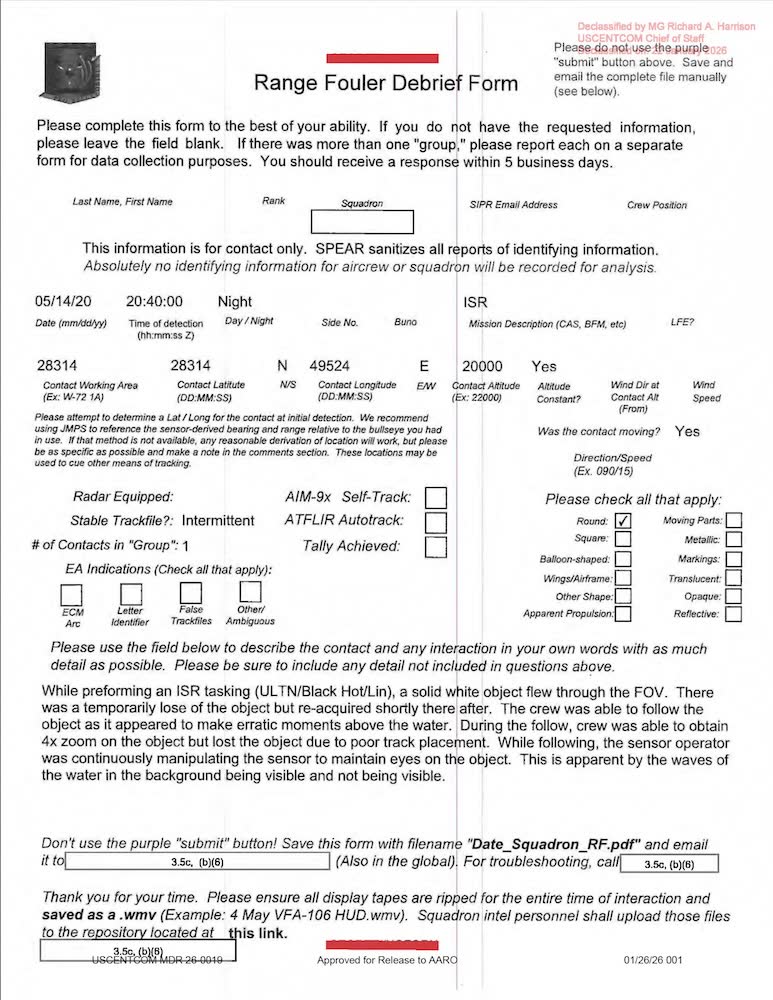
Department of Defense releases Navy UAP videos
In 2020, the Department of Defense authorized public release of three Navy videos showing unidentified aerial phenomena. The release mattered because it moved widely discussed clips from leaked internet material into official public release.
Direct Answer
In 2020, the Department of Defense authorized public release of three Navy videos showing unidentified aerial phenomena. The release mattered because it moved widely discussed clips from leaked internet material into official public release.
Key Facts
The Department of Defense authorized release in 2020.
The release concerned three Navy videos.
The public framing used UAP language rather than older flying saucer terminology.
A key milestone in the modern Pentagon UAP era.
Context
The videos had already become prominent in public debate before the official release. The 2020 statement changed their status by confirming that the Department of Defense authorized their public availability.
That shift made the videos central to journalism, congressional interest, and later official UAP reporting.
Why It Matters
The release helped move UAP from fringe discussion into mainstream defense, intelligence, and aviation coverage.
It also made video provenance a central question: who recorded the clip, how it was released, and what official language did or did not say about it.
Evidence Boundary
The videos show unidentified aerial phenomena in official release language. This page does not claim a specific origin or explanation for the objects.
Questions People Ask
Did the 2020 DoD release say the objects were alien?
No. The official release described the material as unidentified aerial phenomena and did not assign an extraterrestrial origin.
Why did the release matter if the videos were already public?
Official authorization changed the provenance and made the videos easier to cite in mainstream reporting and policy discussion.
What should readers compare with this release?
Compare it with the ODNI 2021 assessment, later hearings, and source video records in the archive.
Related Culture Files
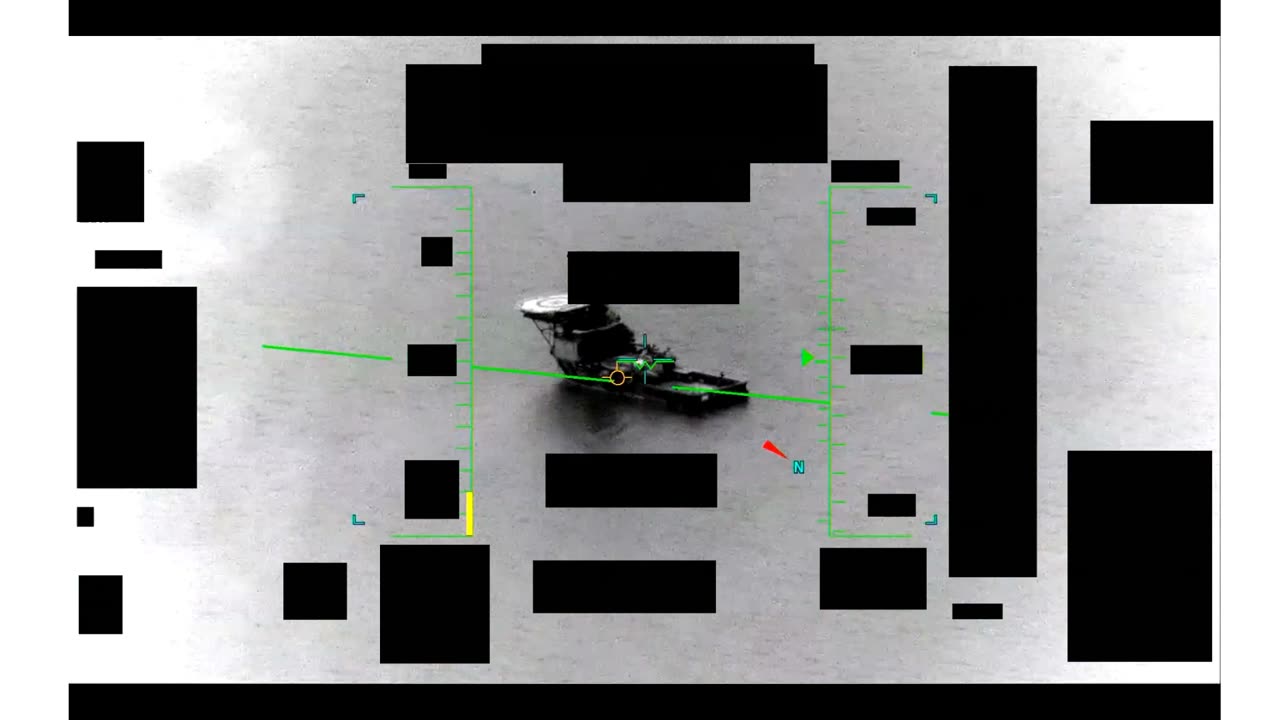
60 Minutes brings military UAP reports to prime-time TV
It helped move the topic from niche communities into mainstream broadcast journalism.
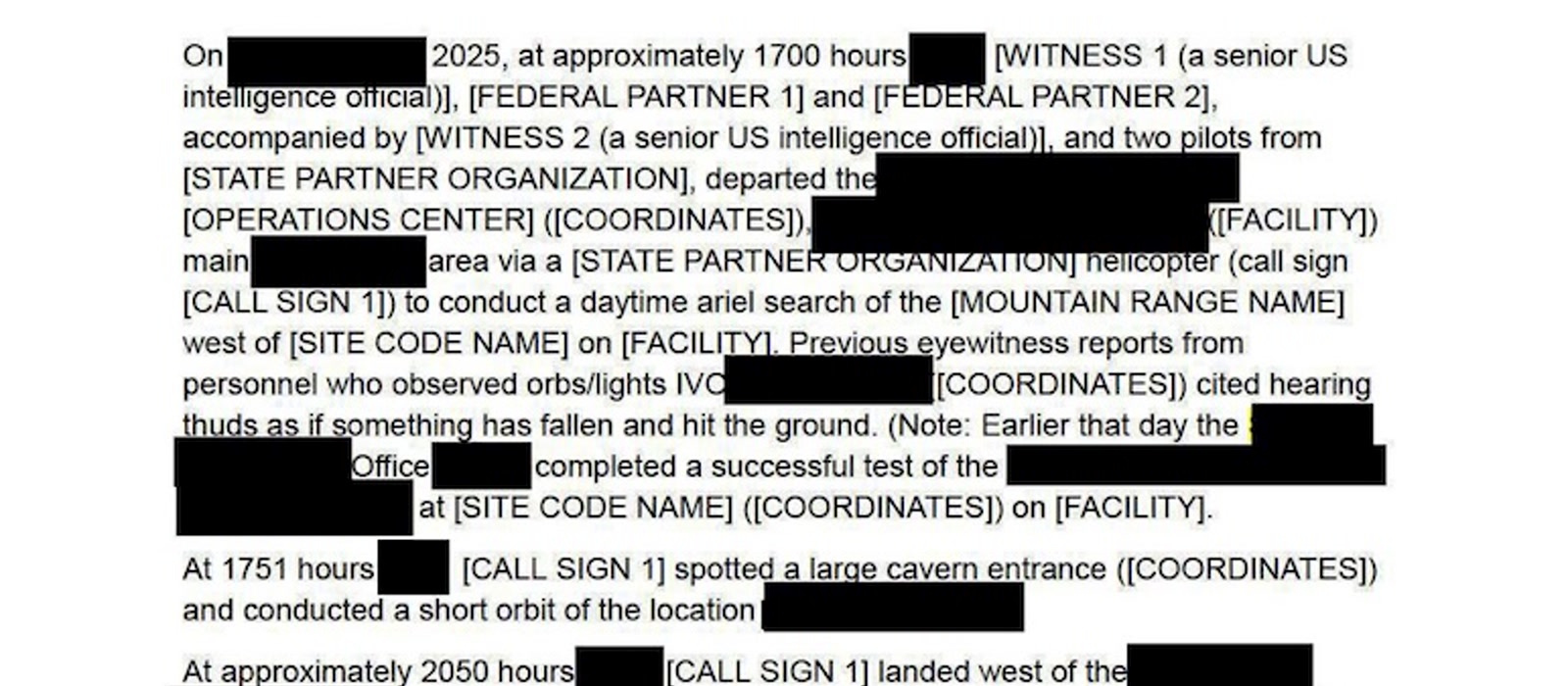
ODNI Preliminary Assessment on UAP
It gave the public a formal intelligence frame for UAP reporting and data gaps.
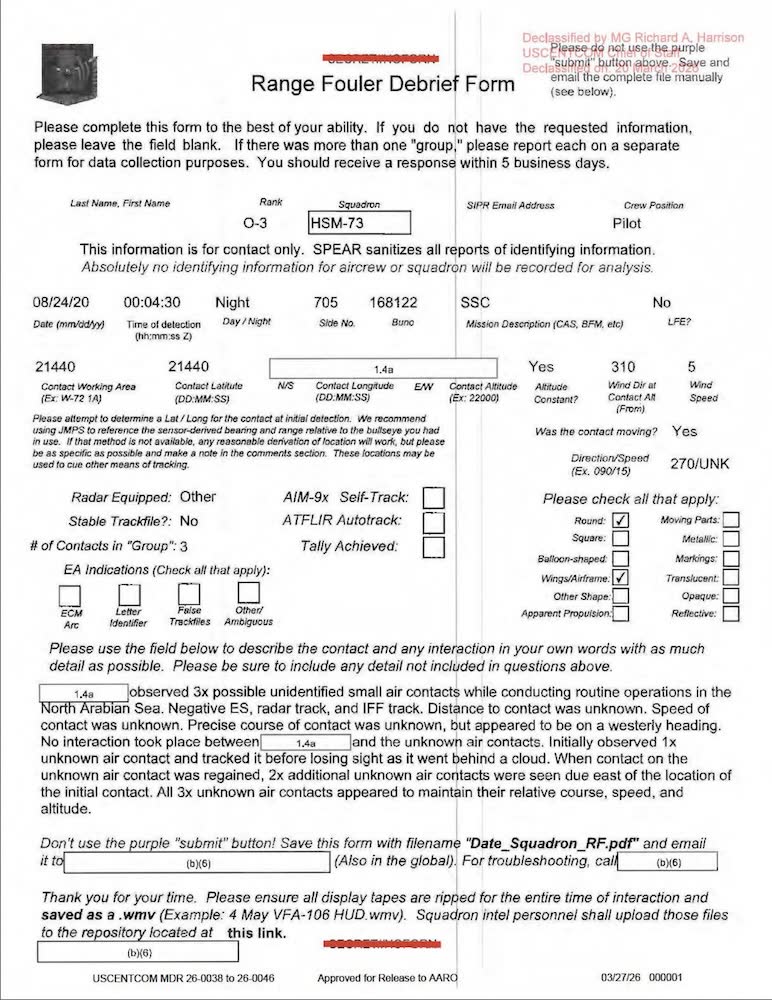
The Phenomenon
It packages modern disclosure arguments for a broad documentary audience.
House Oversight UAP hearing
It put military witnesses and whistleblower claims into a public congressional record.