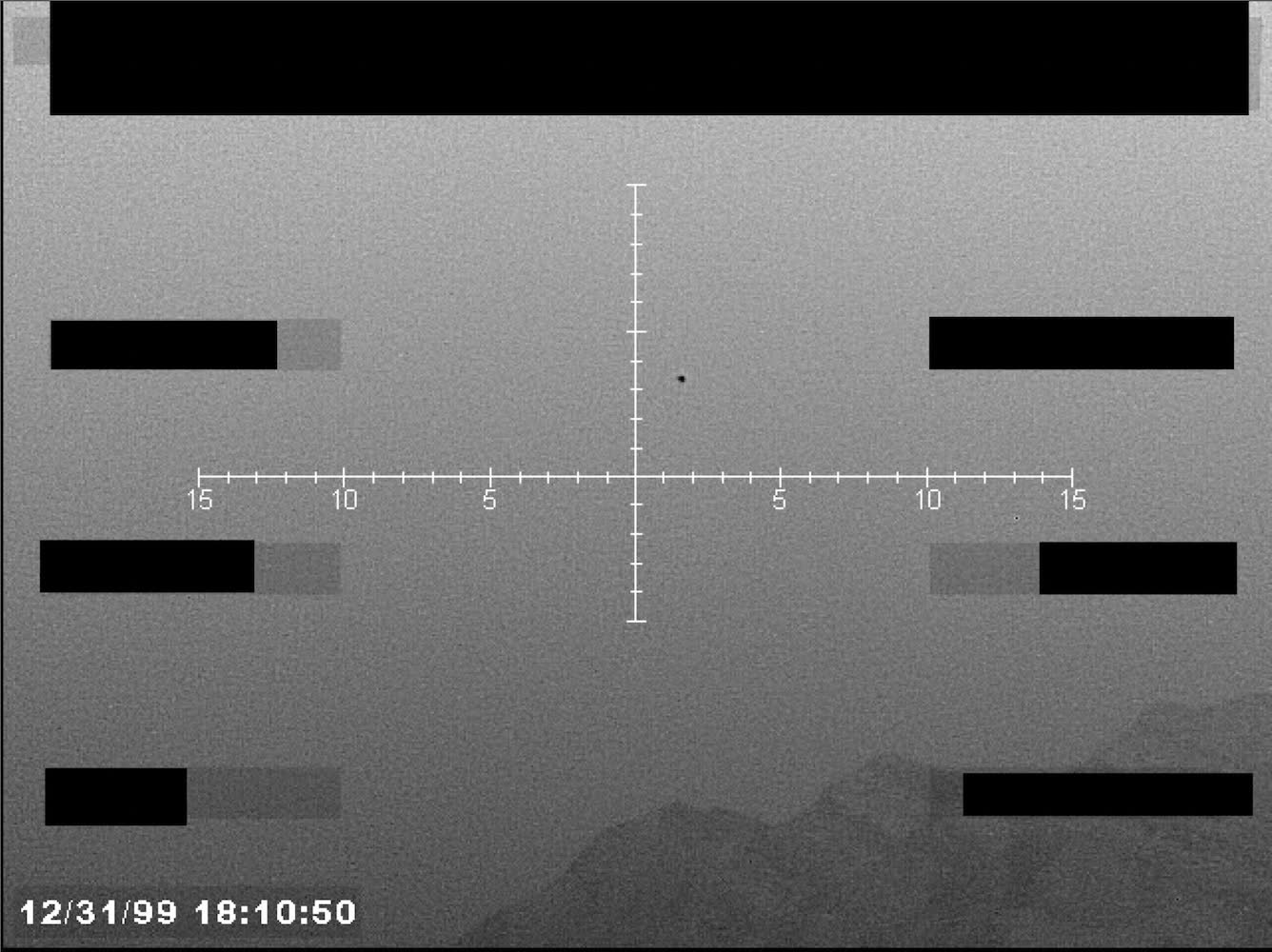
Project BLUE BOOK records
Project BLUE BOOK was a U.S. Air Force program that collected and evaluated UFO reports from the early Cold War through 1969. Its public records remain one of the most important official archives for historical UFO reporting.
Direct Answer
Project BLUE BOOK was a U.S. Air Force program that collected and evaluated UFO reports from the early Cold War through 1969. Its public records remain one of the most important official archives for historical UFO reporting.
Key Facts
Operated by the U.S. Air Force beginning in 1952.
Collected and evaluated UFO reports until the program ended in 1969.
Public records are held through U.S. archival channels.
A major reference point for official UFO case-file culture.
Context
Project BLUE BOOK sits at the center of official U.S. UFO history because it created a formal channel for receiving, classifying, and explaining reports.
The program also shaped public expectations: people learned to ask whether a case was investigated, explained, unresolved, or withheld.
Why It Matters
It gave UFO culture an official archive to argue with, cite, distrust, or revisit.
Modern disclosure debates still inherit questions that BLUE BOOK made familiar: who collected reports, what counted as evidence, and how official conclusions were reached.
Evidence Boundary
This page summarizes the public record and cultural importance of Project BLUE BOOK. It does not claim that every case in the archive has the same evidentiary value.
Questions People Ask
Is Project BLUE BOOK still active?
No. The Air Force program ended in 1969. Its records remain important for historical research.
Why does BLUE BOOK matter today?
It created one of the largest public official record sets for older UFO reports and shaped how people expect governments to document unexplained sightings.
Does BLUE BOOK prove or disprove all UFO claims?
No. It is an archive and an official program history. Individual cases still need careful source review.
Related Culture Files
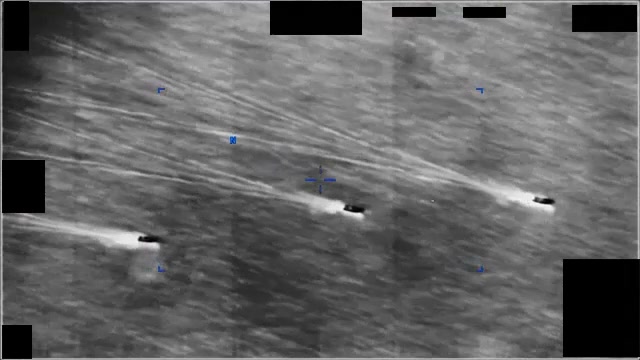
Kenneth Arnold and the "flying saucer" wave
The phrase and the pattern of mass public attention became part of UFO culture almost immediately.
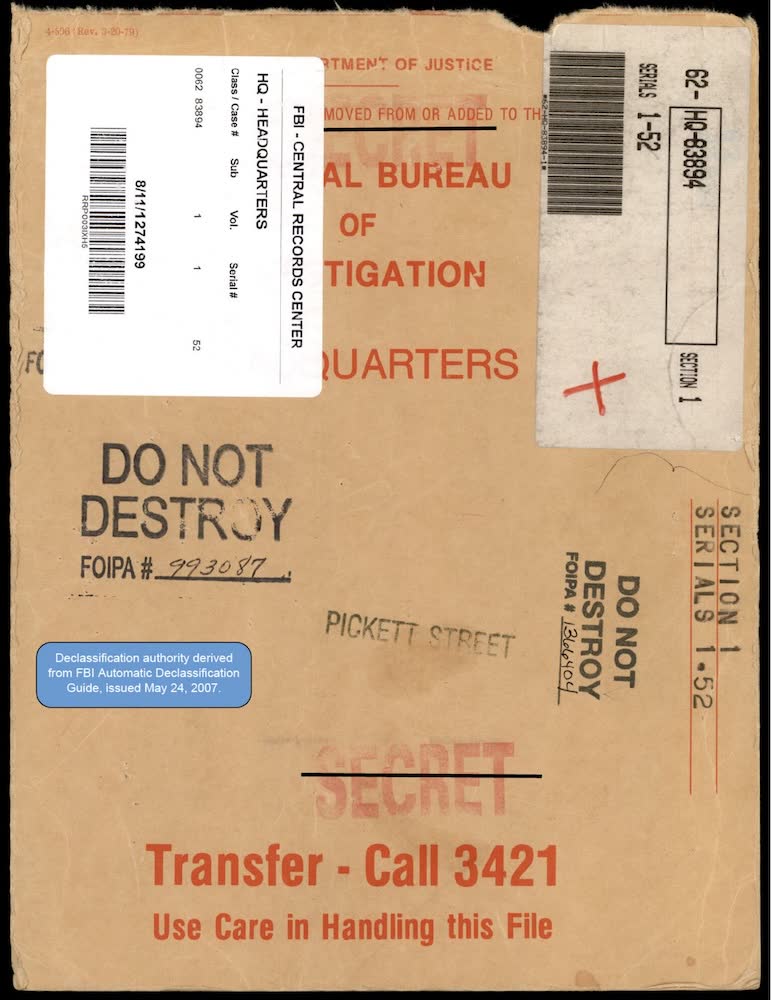
The X-Files
It made UFO secrecy part of mainstream serialized TV language.
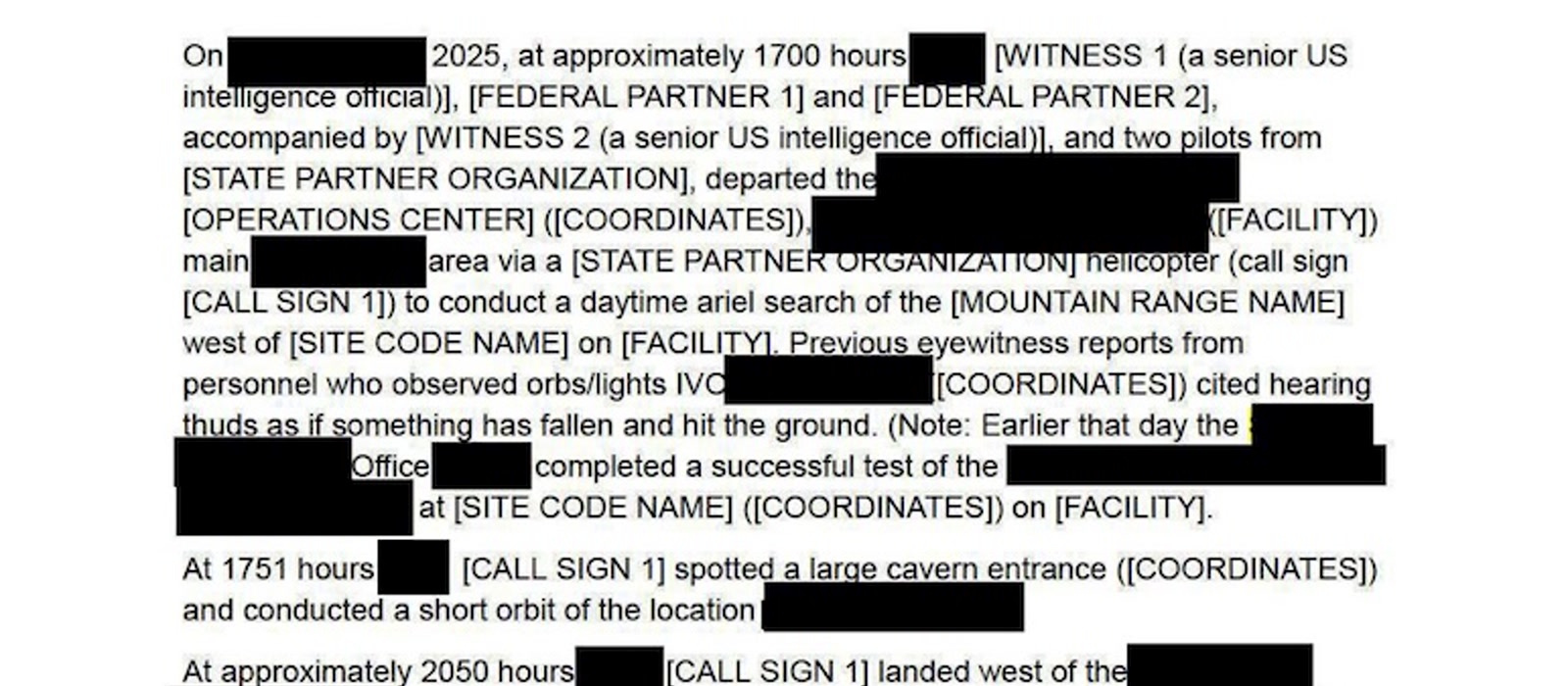
ODNI Preliminary Assessment on UAP
It gave the public a formal intelligence frame for UAP reporting and data gaps.

AARO Historical Record Report, Volume I
It became a major official reference point for the dispute over hidden programs and historical claims.