2026 PURSUE Release
The 2026 PURSUE release is the public U.S. government UAP record program indexed by UFO Declassified. The archive groups the May 8, May 22, June 12, July 10, and August 7, 2026 release batches by source agency, document type, file format, year, and location so researchers can move from a summary claim to the underlying record.
Records in This Topic
Showing 323 records across 11 source groups.
DOW-UAP-D107, Mission Report, Middle East, 2025
This document is a Mission Report (MISREP), a standardized reporting form the U.S. military uses to record the circumstances surrounding its operations. U.S. military services often use MISREPs to report unidentified anomalous phenomena (UAP) to the All-domain Anomaly Resolution Office (AARO). The GENTEXT, or “general text” section of these reports often contains important qualitative, contextual information, distinguishing it from the more quantitative, or numerical, data found elsewhere in the report. This mission report accompanies video footage derived from an infrared system aboard a U.S. military platform in 2025 (DOW-UAP-PR133). A U.S. military operator reported observing UAP, describing it as “look[ing] like a white round orbit… moving as fast as 500 miles per hour.” All descriptive and estimative language contained in this report reflects the reporter’s subjective interpretation at the time of the event. Such characterizations should not be interpreted as a conclusive indication of the presence or absence of any intrinsic object features or performance characteristics.
DOW-UAP-D108, Mission Report, Middle East, 2025
This document is a Mission Report (MISREP), a standardized reporting form the U.S. military uses to record the circumstances surrounding its operations. U.S. military services often use MISREPs to report unidentified anomalous phenomena (UAP) to the All-domain Anomaly Resolution Office (AARO). The GENTEXT, or “general text” section of these reports often contains important qualitative, contextual information, distinguishing it from the more quantitative, or numerical, data found elsewhere in the report. This mission report accompanies video footage derived from an infrared system aboard a U.S. military platform in 2025 (DOW-UAP-PR135). A U.S. military operator reported observing UAP, describing it as consisting of “six small spherical objects grouped together, and characterized their behavior as “seem[ingle] agile,” and “frequently changing direction.” The reporter estimated the speed of the UAP to have been 480 miles per hour. All descriptive and estimative language contained in this report reflects the reporter’s subjective interpretation at the time of the event. Such characterizations should not be interpreted as a conclusive indication of the presence or absence of any intrinsic object features or performance characteristics.
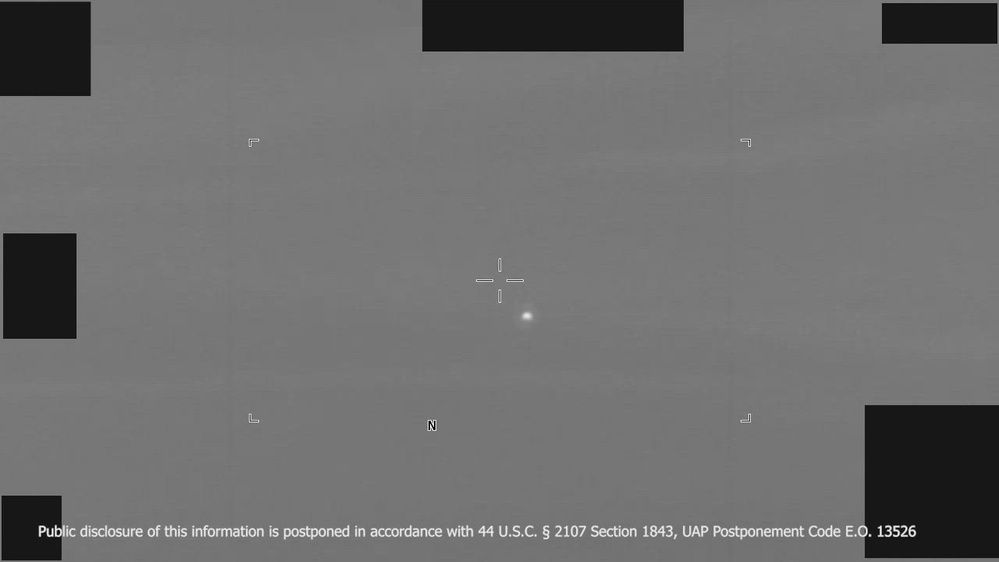
DOW-UAP-PR133, Unresolved UAP Report, Middle East, 2025
The United States Central Command submitted a report of an unidentified anomalous phenomenon to the All-domain Anomaly Resolution Office (AARO) consisting of 4 minutes and 58 seconds of video footage from an infrared sensor aboard a U.S. military platform in 2024. An accompanying mission report, DOW-UAP-D107, described the UAP as “look[ing] like a white round orbit… moving as fast as 500 miles per hour.” Video Description: 00:00-00:04: The sensor pans to track an area of contrast, keeping it generally centered within the frame. 00:05-00:50: The sensor decreases its level of magnification and continues to track the area of contrast, keeping it generally within the center of the frame. 00:51-01:21: The sensor decreases its level of magnification and adjusts its panning speed to track the area of contrast, keeping it generally within the center of the frame. 01:22-01:41: The sensor increases its level of magnification and adjusts its panning speed to track the area of contrast, keeping it generally within the center of the frame. 01:43-2:05: A rectangular digital overlay, or “focus box,” appears near the center of the frame. This display element is a graphical component of the sensor system and does indicate a physical change in the environment. The sensor pans to track the area of contrast, keeping it generally within the center of the frame before exiting the sensor field-of-view from the bottom edge. 02:06-02:21: The sensor pans across the scene and decreases its level of magnification. The area of contrast intermittently re-appears from the left edge of the frame. 02:22-02:28: The sensor pans across the scene, reacquiring the area of contrast. After the area of contrast re-enters the scene, the sensor continues to pan to track it, keeping it generally within the center of the frame. The sensor engages briefly stops panning and the area of contrast exits on the right side once again. 02:29-02:36: The sensor activates an auto-tracking reticle, which does not establish a lock on the area of contrast. After the auto-track reticle disengages, the sensor stops panning, causing the area of contrast to exit the frame from the right edge. 02:37-3:22: The sensor pans and requires the area of contrast, keeping it within its field-of-view before it exits the bottom edge of the frame. 3:23-4:29: The sensor continues to pan then zooms out and reacquires the area of contrast, now significantly smaller in the sensor’s field of view. The sensor continuously pans to keep the area of contrast in the field of view. 4:30-4:58: The sensor zooms in, and the area of contrast transits the field-of-view, exiting the top of the frame. The sensor cycles magnification levels multiple times. This video description is provided for informational purposes only. Readers should not interpret any part of this description as reflecting an analytical judgment, investigative conclusion, or factual determination regarding the described event’s validity, nature, or significance.
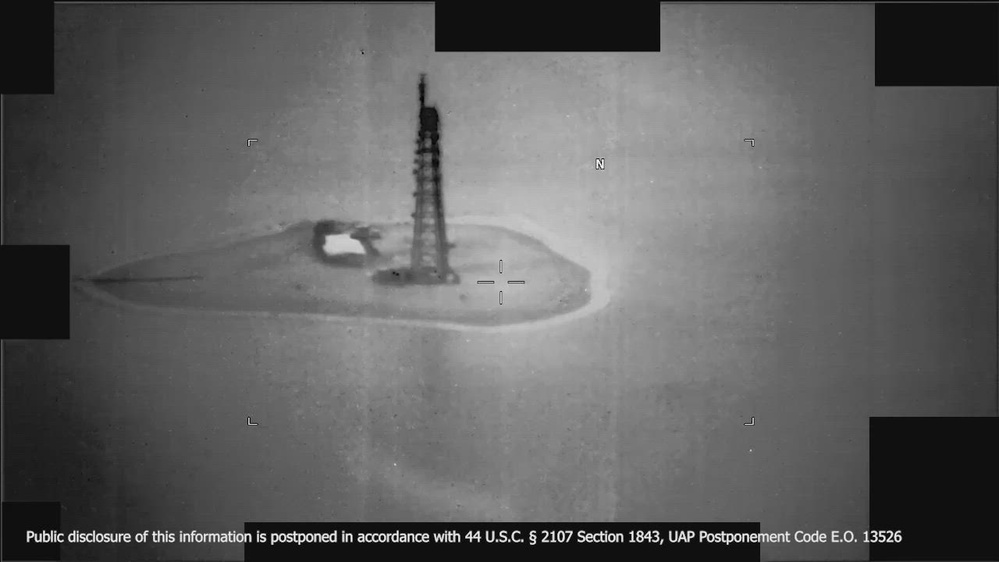
DOW-UAP-PR135, Unresolved UAP Report, Middle East, 2025
The United States Central Command submitted a report of an unidentified anomalous phenomenon to the All-domain Anomaly Resolution Office (AARO) consisting of 1 minute of video footage from an infrared sensor aboard a U.S. military platform in 2025. An accompanying mission report, DOW-UAP-D108, described the UAP as “six small spherical objects grouped together, and characterized their behavior as “seem[ingly] agile,” and “frequently changing direction.” The reporter estimated the speed of the UAP to have been 480 miles per hour. Video Description: 00:00-00:04: No content. 00:05-00:10: Several areas of contrast transit the sensor field-of-view, entering from the top of the frame and exiting from the bottom. 00:11-00:47: The sensor pans to track the areas of contrast, keeping them generally within the center of the frame. 00:48-1:00: The sensor changes its level of magnification. No content. This video description is provided for informational purposes only. Readers should not interpret any part of this description as reflecting an analytical judgment, investigative conclusion, or factual determination regarding the described event’s validity, nature, or significance.
LLE-UAP-D004, Transcript of an Unresolved UAP Report, Colorado, January 2024
This document is a transcript of a 1-minute, 42-second video recording contained in this collection under the title LLE-UAP-PR004, captured by a law enforcement officer in Colorado in January 2024. AARO removed the audio from the original recording to protect information whose release could reasonably be expected to affect the privacy or other protected interests of a U.S. person or commercial entity. This transcript is also redacted to protect the identity of the reporter and sensitive law enforcement information. All descriptive and estimative language in this transcript reflects the reporter’s subjective interpretation at the time of the event. Such characterizations should not be interpreted as a conclusive indication of the presence or absence of any intrinsic object features or performance characteristics.
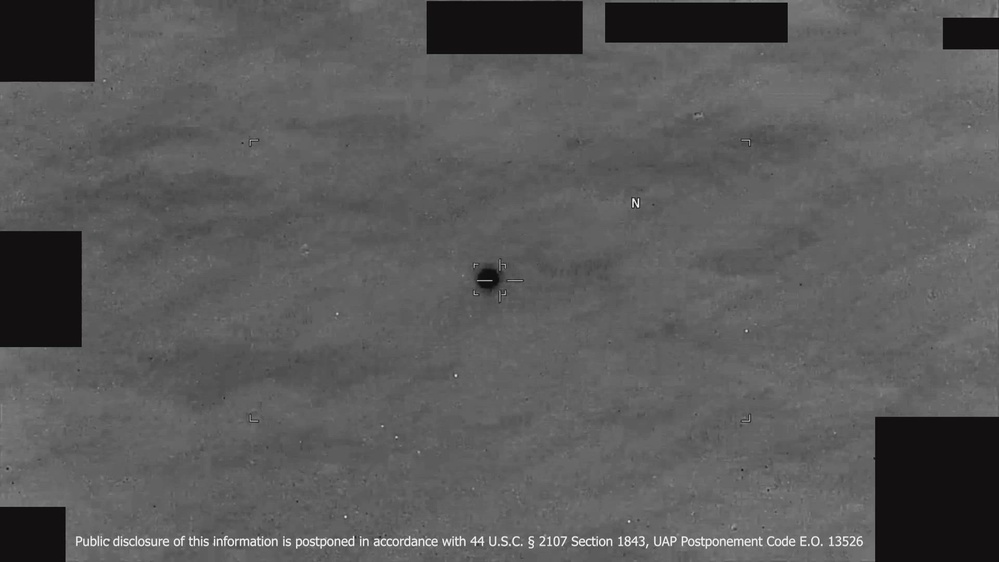
DOW-UAP-PR143, Unresolved UAP Report, Yellow Sea, 2023
The United States Indo-Pacific Command submitted a report of an unidentified anomalous phenomenon to the All-domain Anomaly Resolution Office (AARO) consisting of 19 seconds of video footage from an infrared sensor aboard a U.S. military platform in 2023. Video Description: 00:00-00:19: The sensor pans to track an area of contrast, keeping it generally within the center of the frame. This video description is provided for informational purposes only. Readers should not interpret any part of this description as reflecting an analytical judgment, investigative conclusion, or factual determination regarding the described event’s validity, nature, or significance.
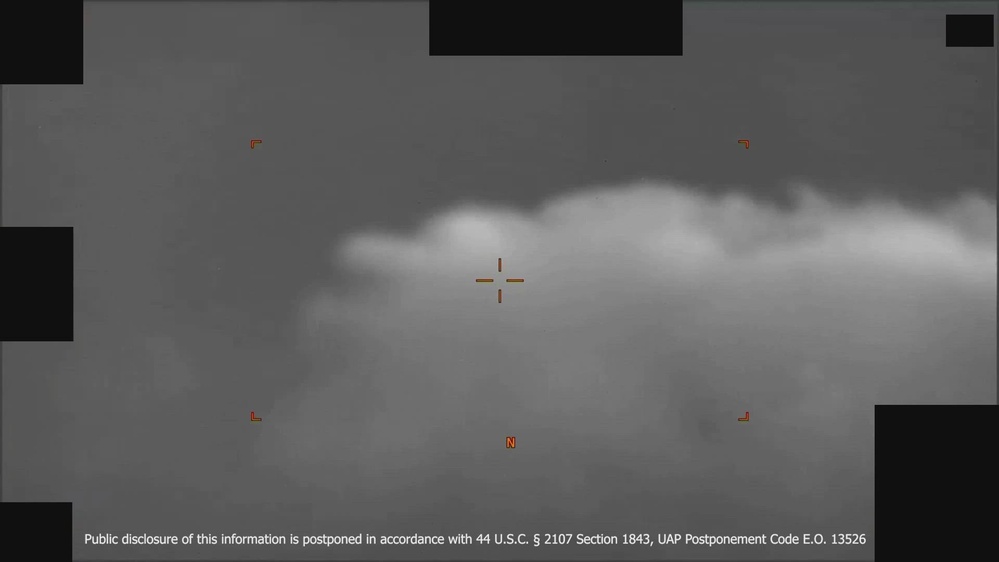
DOW-UAP-PR144, Unresolved UAP Report, Yellow Sea, 2023
The United States Indo-Pacific Command submitted a report of an unidentified anomalous phenomenon to the All-domain Anomaly Resolution Office (AARO) consisting of 27 seconds of video footage from an infrared sensor aboard a U.S. military platform in 2023. Video Description: 00:00-00:02: An area of contrast is visible above and to the left of the center of the frame. 00:03-00:27: The sensor increases its level of magnification and pans to track the area of contrast, keeping it generally within the center of the frame. This video description is provided for informational purposes only. Readers should not interpret any part of this description as reflecting an analytical judgment, investigative conclusion, or factual determination regarding the described event’s validity, nature, or significance.
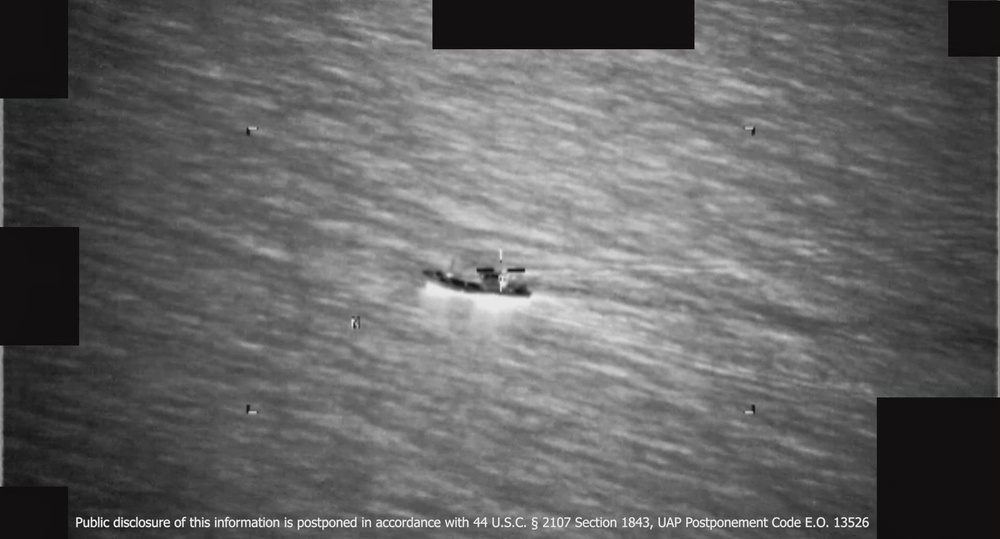
DOW-UAP-PR148, Unresolved UAP Report, East China Sea, 2023
The United States Indo-Pacific Command submitted a report of an unidentified anomalous phenomenon to the All-domain Anomaly Resolution Office (AARO) consisting of 59 seconds of video footage from an infrared sensor aboard a U.S. military platform in 2023. Video Description: 00:00-00:03: No content. 00:04-00:46: The sensor pans to track an area of contrast, keeping it generally within the center of the frame. 00:47-00:59: The sensor increases its level of magnification while panning to track the area of contrast. This video description is provided for informational purposes only. Readers should not interpret any part of this description as reflecting an analytical judgment, investigative conclusion, or factual determination regarding the described event’s validity, nature, or significance.
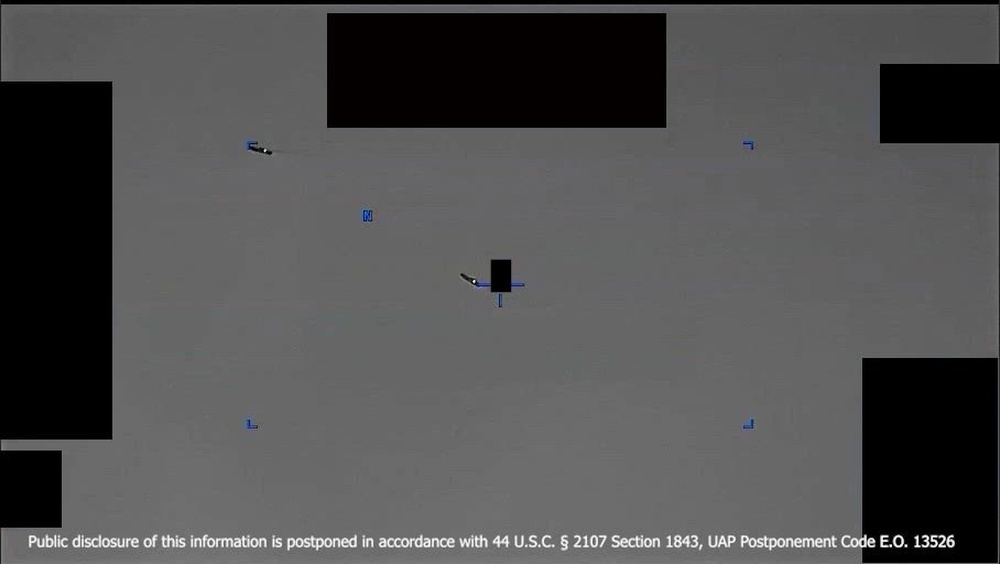
DOW-UAP-PR150, Unresolved UAP Report, Yellow Sea, 2023
The United States Indo-Pacific Command submitted a report of an unidentified anomalous phenomenon to the All-domain Anomaly Resolution Office (AARO) consisting of 57 seconds of video footage from an infrared sensor aboard a U.S. military platform in 2023. Video Description: 00:00-00:05: No content. 00:06-00:07: An area of contrast enters the sensor field-of view from the bottom edge. 00:08-00:51: A rectangular digital overlay, or “focus box,” appears near the center of the frame. This display element is a graphical component of the sensor system and does indicate a physical change in the environment. The sensor pans to track the area of contrast. 00:52-00:57: The collection platform geometry occludes the sensor, blurring the display and blocking the right side of the screen. This video description is provided for informational purposes only. Readers should not interpret any part of this description as reflecting an analytical judgment, investigative conclusion, or factual determination regarding the described event’s validity, nature, or significance.
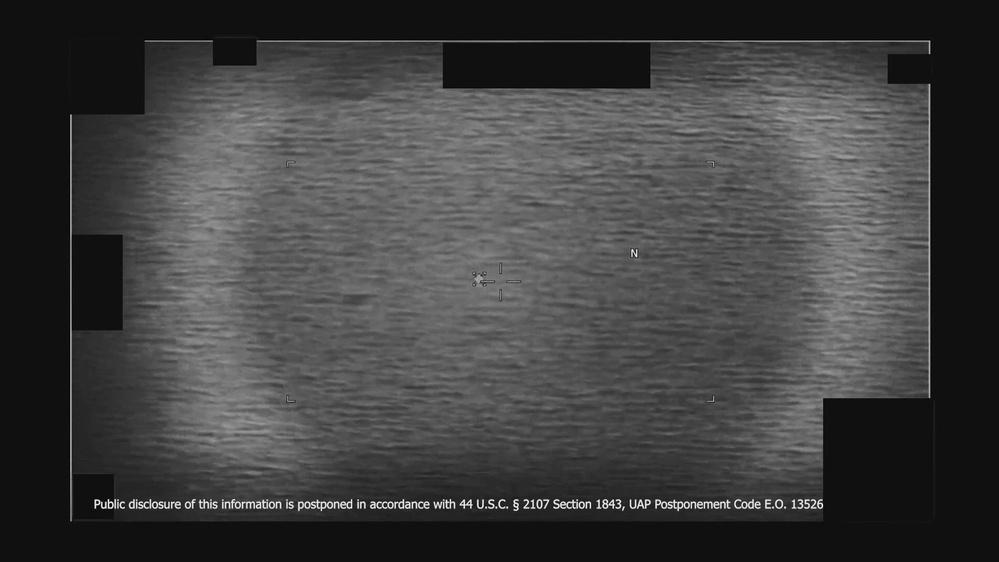
DOW-UAP-PR151, Unresolved UAP Report, Yellow Sea, 2023
The United States Indo-Pacific Command submitted a report of an unidentified anomalous phenomenon to the All-domain Anomaly Resolution Office (AARO) consisting of 49 seconds of video footage from an infrared sensor aboard a U.S. military platform in 2023. Video Description: 00:00-00:15: The sensor pans to track an area of contrast. 00:16-00:18: The sensor increases its level of magnification and pans to track the area of contrast. 00:19-00:49: The sensor pans to track an area of contrast, keeping it generally within the center of the frame. This video description is provided for informational purposes only. Readers should not interpret any part of this description as reflecting an analytical judgment, investigative conclusion, or factual determination regarding the described event’s validity, nature, or significance.
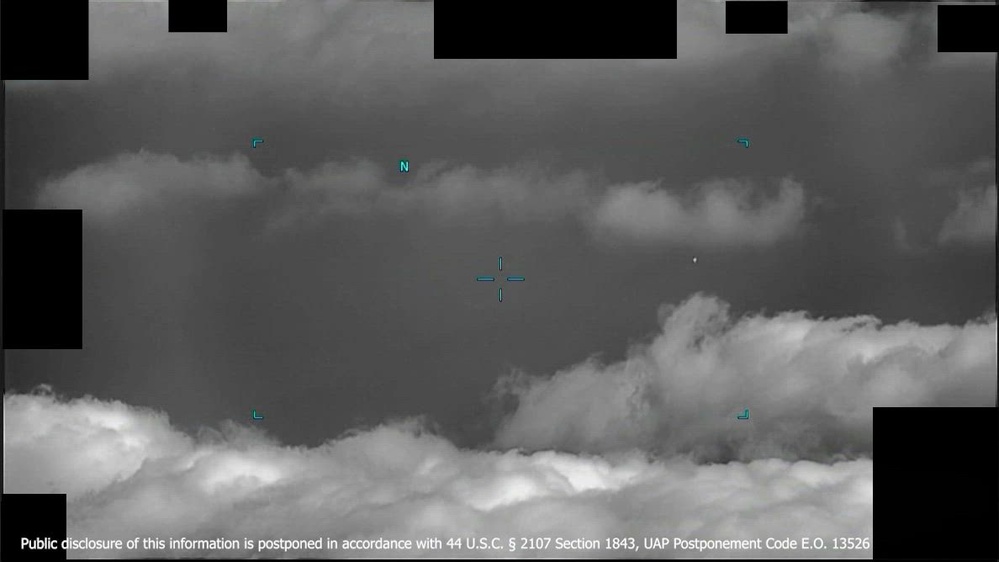
DOW-UAP-PR152, Unresolved UAP Report, Yellow Sea, 2023
The United States Indo-Pacific Command submitted a report of an unidentified anomalous phenomenon to the All-domain Anomaly Resolution Office (AARO) consisting of 1 minute and 38 seconds of video footage from an infrared sensor aboard a U.S. military platform in 2023. Video Description: 00:00-01:38: The sensor pans to track an area of contrast, keeping it generally within the center of the frame. This video description is provided for informational purposes only. Readers should not interpret any part of this description as reflecting an analytical judgment, investigative conclusion, or factual determination regarding the described event’s validity, nature, or significance.
LLE-UAP-D001, Transcript of an Unresolved UAP Report, Colorado, October 2023
This document is a transcript of a 1-minute, 19-second video recording contained in this collection under the title LLE-UAP-PR001, captured by a law enforcement officer in Colorado in October 2023. AARO removed the audio from the original recording to protect information whose release could reasonably be expected to affect the privacy or other protected interests of a U.S. person or commercial entity. This transcript is also redacted to protect the identity of the reporter and sensitive law enforcement information. All descriptive and estimative language in this transcript reflects the reporter’s subjective interpretation at the time of the event. Such characterizations should not be interpreted as a conclusive indication of the presence or absence of any intrinsic object features or performance characteristics.
LLE-UAP-D002, Transcript of an Unresolved UAP Report, Colorado, October 2023
This document is a transcript of a 15-minute video recording contained in this collection under the title LLE-UAP-PR002, captured by a law enforcement officer in Colorado in October 2023. AARO removed the audio from the original recording to protect information whose release could reasonably be expected to affect the privacy or other protected interests of a U.S. person or commercial entity. This transcript is also redacted to protect the identity of the reporter and sensitive law enforcement information. All descriptive and estimative language in this transcript reflects the reporter’s subjective interpretation at the time of the event. Such characterizations should not be interpreted as a conclusive indication of the presence or absence of any intrinsic object features or performance characteristics.
LLE-UAP-D003, Transcript of an Unresolved UAP Report, Colorado, October 2023
This document is a transcript of a 27-second video recording contained in this collection under the title LLE-UAP-PR003, captured by a law enforcement officer in Colorado in October 2023. AARO removed the audio from the original recording to protect information whose release could reasonably be expected to affect the privacy or other protected interests of a U.S. person or commercial entity. This transcript is also redacted to protect the identity of the reporter and sensitive law enforcement information. All descriptive and estimative language in this transcript reflects the reporter’s subjective interpretation at the time of the event. Such characterizations should not be interpreted as a conclusive indication of the presence or absence of any intrinsic object features or performance characteristics.
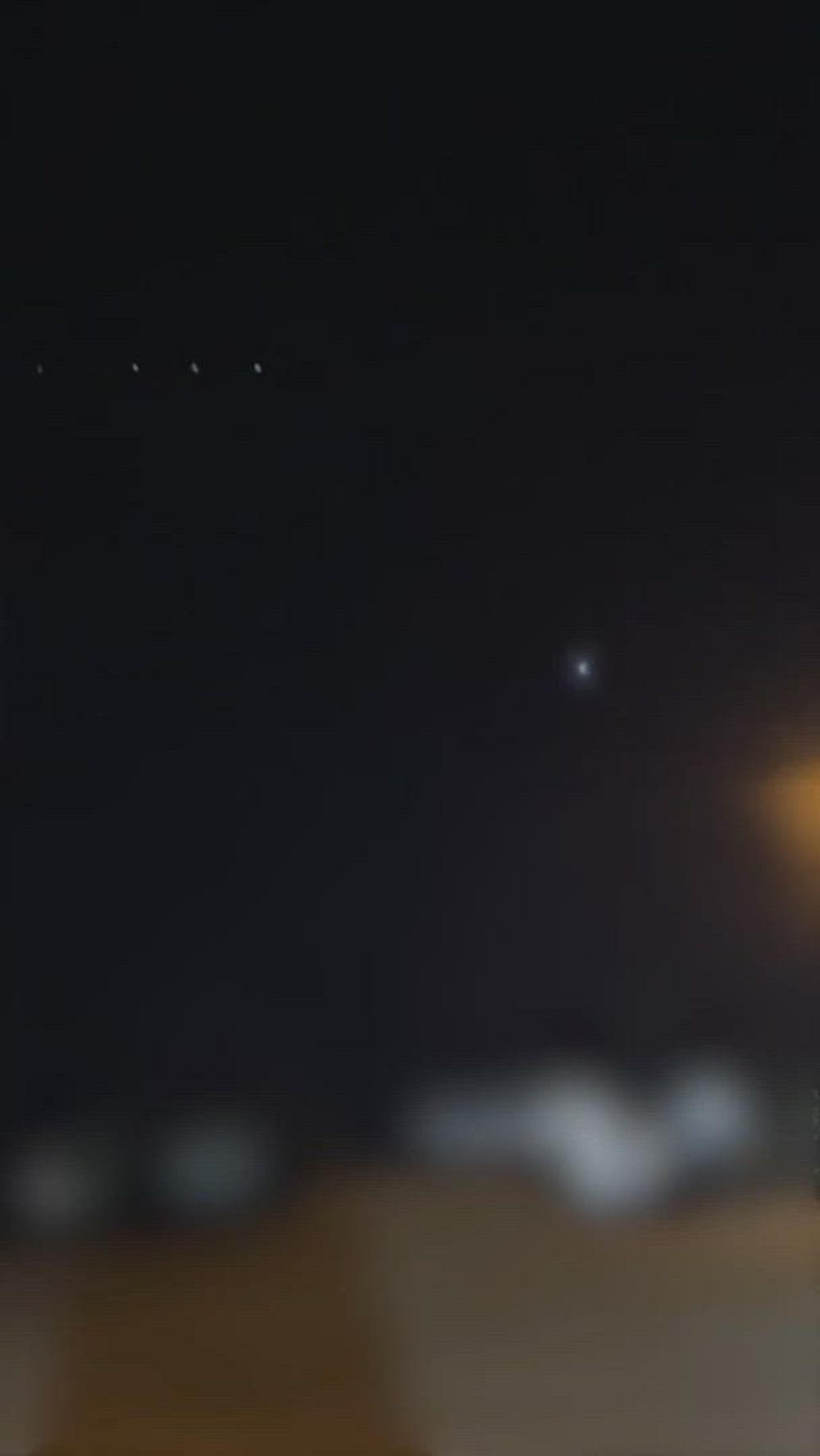
LLE-UAP-PR001, Unresolved UAP Report, Colorado, 2023
A local law enforcement officer submitted a report of an unidentified anomalous phenomenon to the All-domain Anomaly Resolution Office consisting of 1 minute and 19 seconds of video footage from a commercially available cellular device’s rear-facing camera in October 2023. The reporting officer described the phenomenon as “silent” and as featuring “red, blue, and green flashing lights.” Video Description: AARO digitally altered this footage by blurring the bottom half to obscure information whose release could be reasonably expected to affect the privacy or other protected interest of a U.S. person or commercial entity. 00:00-00:47: The camera pans to track an apparent light source, keeping it generally centered within the frame. 00:48-01:19: The camera increases and decreases its level of magnification several times and continues to pan to track the apparent light source. AARO Comment: Cellular devices of the type used to capture this footage employ autofocus and other automated image-processing functions that may distort the apparent morphological and kinematic characteristics of distant subjects, particularly at high magnification.
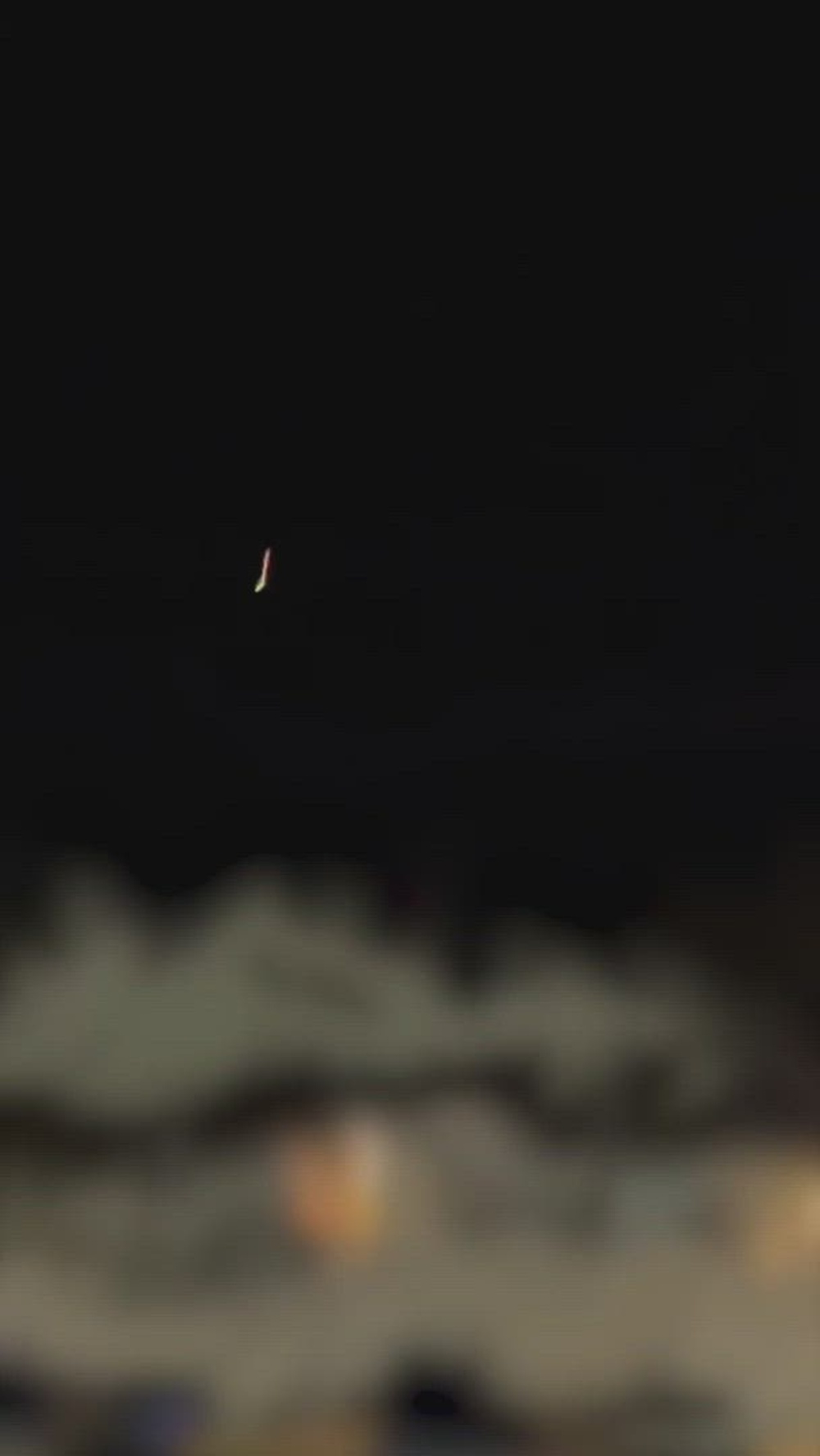
LLE-UAP-PR002, Unresolved UAP Report, Colorado, October 2023
A local law enforcement officer submitted a report of an unidentified anomalous phenomenon to the All-domain Anomaly Resolution Office consisting of 15 minutes of video footage from a commercially available cellular device’s rear-facing camera in October 2023. The reporting officer described the phenomenon as “silent” and as featuring “red, blue, and green flashing lights.” Video Description: AARO digitally altered this footage by blurring the bottom half to obscure information whose release could be reasonably expected to affect the privacy or other protected interest of a U.S. person or commercial entity. 00:00-15:00: The camera focuses on an apparent light source for the duration of the video, keeping it generally centered within the frame. AARO Comment: Cellular devices of the type used to capture this footage employ autofocus and other automated image-processing functions that may distort the apparent morphological and kinematic characteristics of distant subjects, particularly at high magnification.
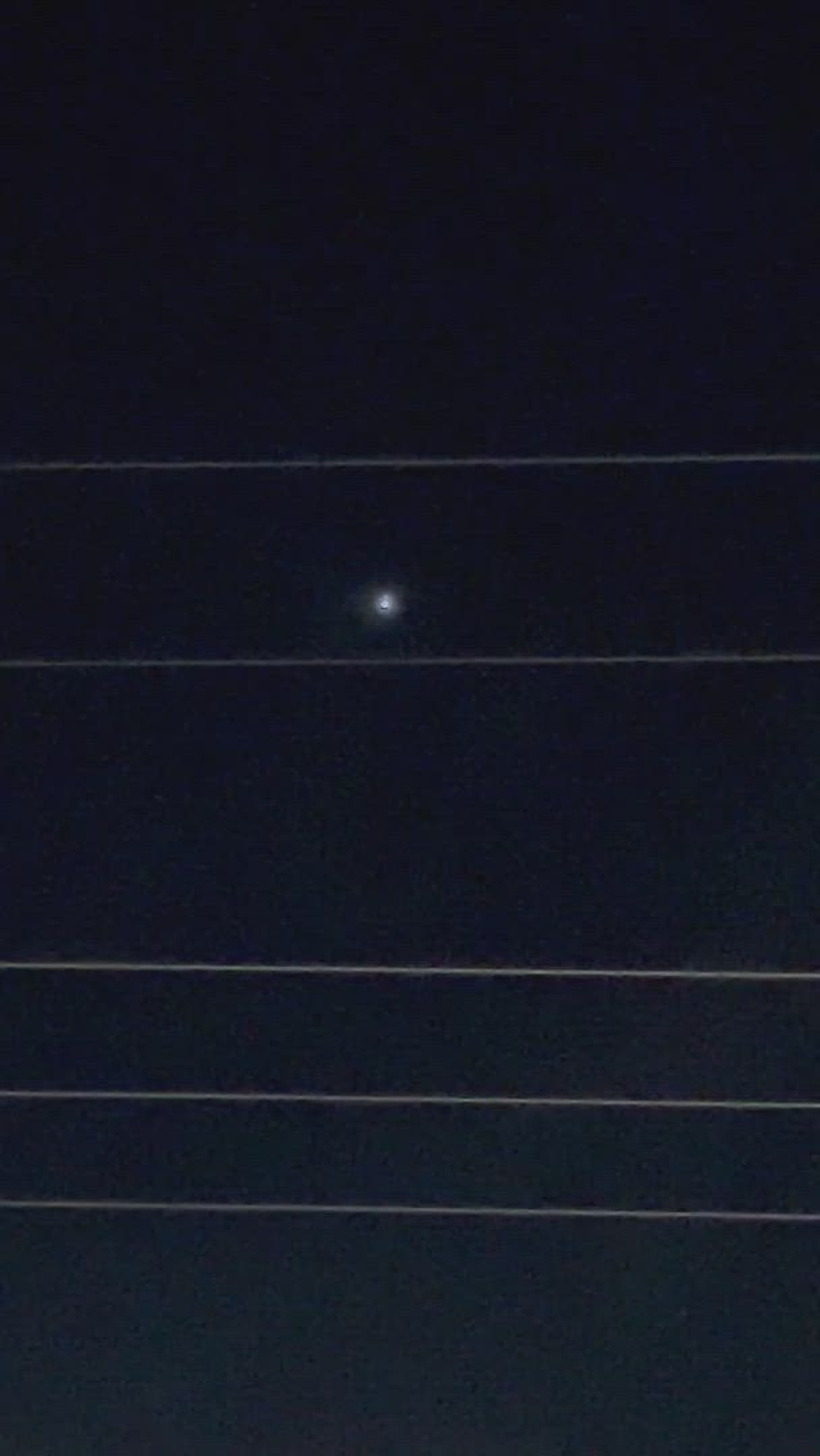
LLE-UAP-PR003, Unresolved UAP Report, Colorado, October 2023
A local law enforcement officer submitted a report of an unidentified anomalous phenomenon to the All-domain Anomaly Resolution Office consisting of 27 seconds of video footage from a commercially available cellular device’s rear-facing camera in October 2023. The reporting officer described the phenomenon as “silent” and as featuring “red, blue, and green flashing lights.” Video Description: In the first 2 seconds of this video, AARO digitally altered this footage by blurring the bottom half to obscure information whose release could be reasonably expected to affect the privacy or other protected interest of a U.S. person or commercial entity. 00:00-00:27: The camera increases its level of magnification and focuses on an apparent light source for the duration of the video, keeping it generally centered and within the top third of the frame. AARO Comment: Cellular devices of the type used to capture this footage employ autofocus and other automated image-processing functions that may distort the apparent morphological and kinematic characteristics of distant subjects, particularly at high magnification.
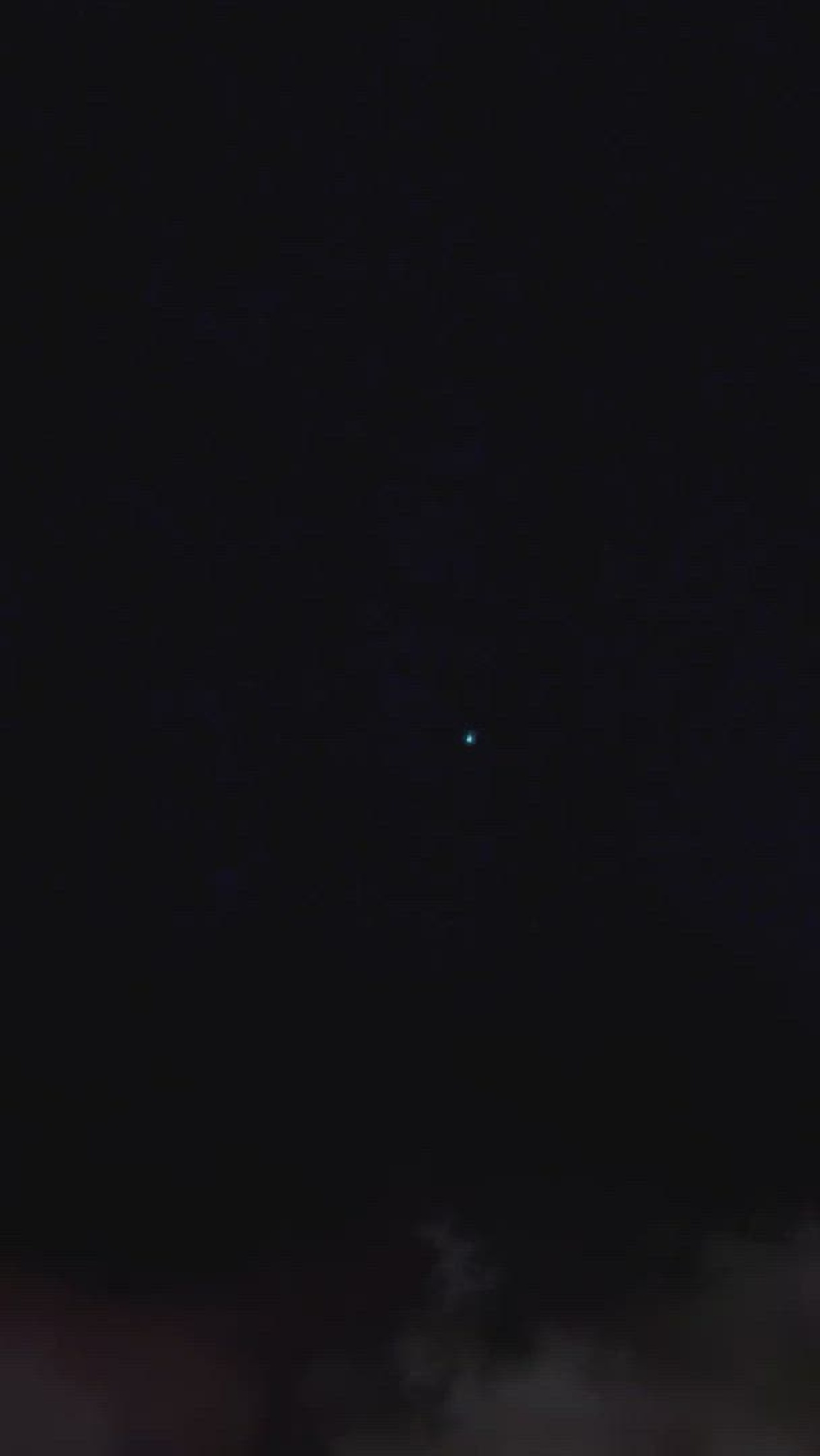
LLE-UAP-PR004, Unresolved UAP Report, Colorado, January 2024
A local law enforcement officer submitted a report of an unidentified anomalous phenomenon to the All-domain Anomaly Resolution Office consisting of 1 minute and 42 seconds of video footage from a commercially available cellular device’s rear-facing camera in January 2024. The reporting officer described the phenomenon as “silent” and as featuring “red, blue, and green flashing lights.” Video Description: In the first 2 seconds of this video, AARO digitally altered this footage by blurring the bottom half to obscure information whose release could be reasonably expected to affect the privacy or other protected interest of a U.S. person or commercial entity. 00:00-00:35: The camera focuses on an apparent light source, keeping it generally within the center of the frame. 00:36-01:04: An approaching vehicle influences the camera’s automatic image-processing filters, including autofocus. The camera remains focused on the apparent light source. 01:05-1:27: The camera remains focused on the apparent light source. 01:28-01:37: An approaching vehicle influences the camera’s automatic image-processing filters, including autofocus. The camera remains focused on the apparent light source. 01:38-01:42: The camera pans down. AARO Comment: Cellular devices of the type used to capture this footage employ autofocus and other automated image-processing functions that may distort the apparent morphological and kinematic characteristics of distant subjects, particularly at high magnification.
DOW-UAP-D106, Mission Report, Iraq, 2022
This document is a Mission Report (MISREP), a standardized reporting form the U.S. military uses to record the circumstances surrounding its operations. U.S. military services often use MISREPs to report unidentified anomalous phenomena (UAP) to the All-domain Anomaly Resolution Office (AARO). The GENTEXT, or “general text” section of these reports often contains important qualitative, contextual information, distinguishing it from the more quantitative, or numerical, data found elsewhere in the report. This mission report accompanies still imagery derived from an infrared system aboard a U.S. military platform in 2022 (DOW-UAP-PR130 and DOW-UAP-PR 131). A U.S. military operator reported observing UAP “flying sporadically within the target area… at various speeds between 80 and 180 miles per hour.” The reporter estimates the size of the UAP as between 1 and 2 meters (approximately 3-6 feet), and states that they were unable to determine the altitude of the phenomena. All descriptive and estimative language contained in this report reflects the reporter’s subjective interpretation at the time of the event. Such characterizations should not be interpreted as a conclusive indication of the presence or absence of any intrinsic object features or performance characteristics.
DOW-UAP-D109, Mission Report, Middle East, 2022
This document is a Mission Report (MISREP), a standardized reporting form the U.S. military uses to record the circumstances surrounding its operations. U.S. military services often use MISREPs to report unidentified anomalous phenomena (UAP) to the All-domain Anomaly Resolution Office (AARO). The GENTEXT, or “general text” section of these reports often contains important qualitative, contextual information, distinguishing it from the more quantitative, or numerical, data found elsewhere in the report. This mission report accompanies video footage derived from an infrared system aboard a U.S. military platform in 2022 (DOW-UAP-PR140 and DOW-UAP-PR141). A U.S. military operator reported observing UAP, describing it as consisting of “six small spherical objects grouped together. They characterized the behavior of the UAP as “seem[ingle] agile,” and “frequently changing direction.” The reporter estimated the speed of the UAP to have been 480 miles per hour. All descriptive and estimative language contained in this report reflects the reporter’s subjective interpretation at the time of the event. Such characterizations should not be interpreted as a conclusive indication of the presence or absence of any intrinsic object features or performance characteristics.
DOW-UAP-PR130, Unresolved UAP Report, Iraq, 2022
The United States Central Command submitted a report of an unidentified anomalous phenomenon to the All-domain Anomaly Resolution Office (AARO) consisting of a still image derived from an infrared system aboard a U.S. military system in 2022. An accompanying mission report, DOW-UAP-D106, described the UAP as “flying sporadically… at various speeds between 80-180 miles per hour.” Image Description: This image features two areas of contrast. One appears near the center of the sensor display, bounded by a reticle. Another appears in the lower third of the frame. The area of contrast in the lower third of the frame appears elongated and is followed by a visible trail. These features suggest motion across the focal plane from the top right to the bottom left of the sensor field-of-view. The apparent trail is consistent with known image-compression and processing effects and does not necessarily represent a physical feature. This image description is provided for informational purposes only. Readers should not interpret any part of this description as reflecting an analytical judgment, investigative conclusion, or factual determination regarding the described event’s validity, nature, or significance.
DOW-UAP-PR131, Unresolved UAP Report, Iraq, 2022
The United States Central Command submitted a report of an unidentified anomalous phenomenon to the All-domain Anomaly Resolution Office (AARO) consisting of a still image derived from an infrared system aboard a U.S. military system in 2022. An accompanying mission report, DOW-UAP-D106, described the UAP as “flying sporadically… at various speeds between 80-180 miles per hour.” Image Description: This image features two areas of contrast. One appears near the center of the sensor display. Another appears in the top third of the frame. The area of contrast in the top third of the frame appears elongated and is followed by a visible trail. These features suggest motion across the focal plane from the top right to the bottom left of the sensor field-of-view. The apparent trail is consistent with known image-compression and processing effects and does not necessarily represent a physical feature. This image description is provided for informational purposes only. Readers should not interpret any part of this description as reflecting an analytical judgment, investigative conclusion, or factual determination regarding the described event’s validity, nature, or significance.
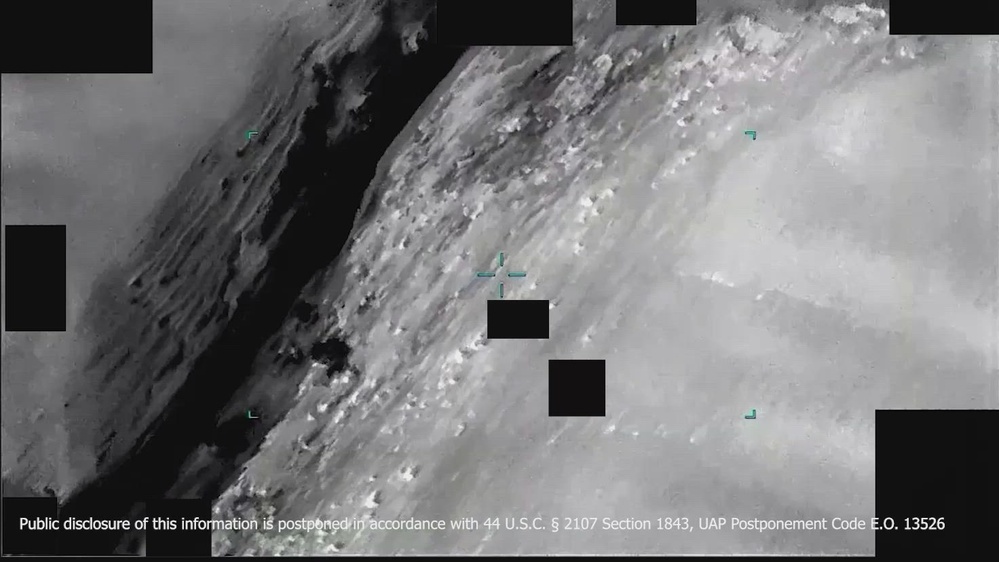
DOW-UAP-PR140, Unresolved UAP Report, Middle East, 2022
The United States Central Command submitted a report of an unidentified anomalous phenomenon to the All-domain Anomaly Resolution Office (AARO) consisting of 1 minute and 47 seconds of video footage from an electro-optical and infrared sensor aboard a U.S. military platform in 2022. An accompanying mission report, DOW-UAP-D109, described the UAP as “traveling at various speeds between 80-180 miles per hour.” Video Description: 00:00-00:05: No content. 00:06-00:08: An area of contrast transits the sensor field-of-view, entering from the top of the frame and exiting from the bottom. 00:09-00:15: No content. 00:16-00:26: The sensor pans to track the area of contrast, keeping it generally centered within the frame. 00:27-00:31: The sensor switches to electro-optical mode, and the object moves out of the sensor field-of-view from the left edge of the frame. 00:32-00:45: The sensor switches to infrared mode and pans to track the area of contrast, keeping it generally within the center of the frame. 00:46-01:10: The sensor switches to electro-optical mode and pans to track the area of contrast. 01:11-01:12: No content. 01:13-01:42: The sensor switches to infrared mode and pans to track the area of contrast. 01:43-01:47: The sensor switches to electro-optical mode and pans to track the area of contrast. This video description is provided for informational purposes only. Readers should not interpret any part of this description as reflecting an analytical judgment, investigative conclusion, or factual determination regarding the described event’s validity, nature, or significance.
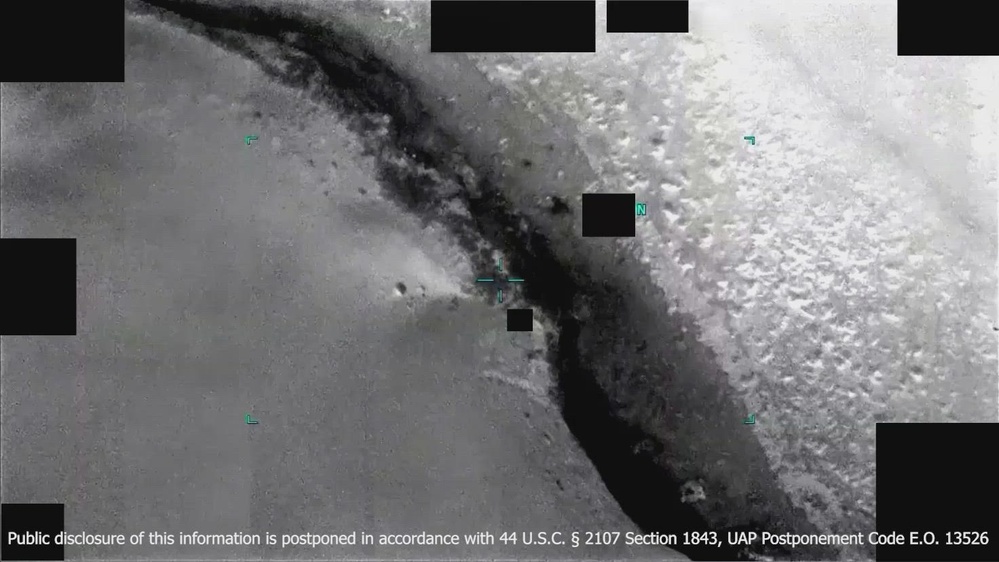
DOW-UAP-PR141, Unresolved UAP Report, Middle East, 2022
The United States Central Command submitted a report of an unidentified anomalous phenomenon to the All-domain Anomaly Resolution Office (AARO) consisting of 2 minutes and 36 seconds of video footage from an electro-optical (right) and infrared (left) sensor aboard a U.S. military platform in 2022. An accompanying mission report, DOW-UAP-D109, described the UAP as “traveling at various speeds between 80-180 miles per hour.” Video Description: 00:00-00:12: An area of contract enters the sensor field-of-view from the lower right of the frame. The sensor pans to track the area of contrast, keeping it generally within the center of the frame. 00:13-00:14: The sensor switches modes to display an infrared (left) and electro-optical (right) feed. 00:15-00:18: The object enters the frame from the lower right, transiting the sensor field-of-view and exiting from the upper left. 00:19-00:20: The sensor switches to infrared mode, panning to track an area of contrast. 00:21-00:27: The sensor switches modes to display an infrared (left) and electro-optical (right) feed. 00:28-00:52: The sensor switches to infrared mode, panning to track an area of contrast. 00:52-00:57: A second area of contrast briefly enters the sensor field-of-view. 00:58-01:16: The sensor pans to track an area of contrast. 01:17-01:21: The sensor switches modes to display an infrared (left) and electro-optical (right) feed. The sensor pans to track the object. The object leaves the sensor field-of-view from the left edge of the frame. 01:22-01:27: No content. 01:28-01:31: The sensor switches to infrared mode. No content. 01:32-02:36: The area of contrast enters the sensor field-of-view from the lower left of the frame. The sensor pans to track the area of contrast, intermittently losing contact with it. This video description is provided for informational purposes only. Readers should not interpret any part of this description as reflecting an analytical judgment, investigative conclusion, or factual determination regarding the described event’s validity, nature, or significance.
DOW-UAP-D152, AAWSAP DIRD, Negative Mass Propulsion, January 2011
This document is a Defense Intelligence Reference Document (DIRD), a technical reference format used by the Defense Intelligence Agency (DIA) to capture baseline knowledge on a specific topic for later analytic use. DIRDs are best understood as reference and synthesis products rather than as original research. It is one of 38 DIRDs produced under the Advanced Aerospace Weapon System Applications Program (AAWSAP) between 2009 and 2011. Because AAWSAP’s scope permitted a broad range of supporting topics, not every DIRD in the series directly concerns aerospace systems or future threat assessment. The following summary reflects the DIRD’s scope and framing at the time of writing and should not be read as implying current validation of the concepts discussed. This DIRD examines whether negative mass could exist in a physically meaningful way and whether it could someday reduce the energy cost of spaceflight. The report reviews the unusual dynamics that would follow if positive and negative mass could interact, including self-accelerating mass pairs and matter with very low or nearly zero effective inertia, and treats such ideas as at least formally compatible with certain extensions of gravitational theory. It then considers two broad paths toward practical use: creating or separating negative mass through extreme fields or particle energies, and locating naturally separated negative matter in deep gravitational wells such as galactic centers or possibly the Moon. However, the document also concludes that the first path is effectively beyond technical reach and treats the second as highly uncertain, resting on a long chain of unverified assumptions about the existence, separability, and macroscopic behavior of negative mass. Overall, this DIRD is a far-reaching theoretical exploration of an exotic propulsion concept whose practical application depends on premises that remain unestablished in consensus physics.
DOW-UAP-D153, AAWSAP DIRD, Quantum Tomography of Negative Energy States in the Vacuum, January 2011
This document is a Defense Intelligence Reference Document (DIRD), a technical reference format used by the Defense Intelligence Agency (DIA) to capture baseline knowledge on a specific topic for later analytic use. DIRDs are best understood as reference and synthesis products rather than as original research. It is one of 38 DIRDs produced under the Advanced Aerospace Weapon System Applications Program (AAWSAP) between 2009 and 2011. Because AAWSAP’s scope permitted a broad range of supporting topics, not every DIRD in the series directly concerns aerospace systems or future threat assessment. The following summary reflects the DIRD’s scope and framing at the time of writing and should not be read as implying current validation of the concepts discussed. This DIRD examines how negative-energy, or “sub-vacuum,” states in quantum fields might be detected and mapped. Its practical scope is limited to the laboratory-scale measurement of minute quantum effects, though it extrapolates from those effects to consider theoretical relevance to concepts such as warp drives, wormholes, or gravitational control. By reviewing previously identified laboratory examples such as the Casimir effect and squeezed light states, the report identifies the core technical challenge as mapping their spatial and temporal structures reliably. To address this, it proposes quantum optical homodyne tomography as a method to reconstruct and quantify the vacuum fluctuations associated with these states. The document acknowledges that only microscopic, transient negative-energy effects have been realized in laboratory settings. It remains unknown whether larger or longer-lived distributions of such effects can be generated or stabilized, particularly given the experimentally unresolved constraints imposed by quantum inequalities. Overall, this DIRD functions as a measurement- and diagnostics-oriented review intended to lay experimental groundwork for a far more ambitious, highly speculative negative-energy research agenda.
DOW-UAP-D113, AAWSAP Contract Modification P00002, February 2010
This document is an administrative or programmatic record related to the Advanced Aerospace Weapon System Applications Program (AAWSAP), a Defense Intelligence Agency (DIA)-administered program active from 2008 to 2012. AAWSAP’s official scope of work identified 12 technical research areas relating to potential aerospace threats over a time horizon of more than 40 years. As an administrative record, the file documents how AAWSAP was scoped, organized, tasked, funded, or described at a particular point in time. This February 2010 contract modification provides funding for the exercise of Option Year 1 under contract HHM402-08-C-0072 and removes the availability-of-funds contingency that had been imposed in modification P00001. It also states that the modification identifies impacts to deliverables resulting from reduced Option Year 1 funding and incorporates revised documentation showing how Fiscal Year 2010 funds would be used. The modification converts the previously contingent option-year continuation into a funded contract action while acknowledging that reduced funding would affect the planned scope or timing of deliverables.
DOW-UAP-D114, AAWSAP Contract Modification P00003, May 2010
This document is an administrative or programmatic record related to the Advanced Aerospace Weapon System Applications Program (AAWSAP), a Defense Intelligence Agency (DIA)-administered program active from 2008 to 2012. AAWSAP’s official scope of work identified 12 technical research areas relating to potential aerospace threats over a time horizon of more than 40 years. As an administrative record, the file documents how AAWSAP was scoped, organized, tasked, funded, or described at a particular point in time. This May 2010 contract modification is an administrative change to contract HHM402-08-C-0072. The modification states that its purpose is to change the Contracting Officer’s Representative (COR) designation for the AAWSAP contract and identifies the newly designated COR while specifying that guidance from the COR must comply with the contract’s governing terms. In effect, the file is best understood as an internal contract-administration update reflecting oversight realignment rather than a substantive change to AAWSAP’s research deliverables or program direction.
DOW-UAP-D115, AAWSAP Contract Modification P00004, May 2010
This document is an administrative or programmatic record related to the Advanced Aerospace Weapon System Applications Program (AAWSAP), a Defense Intelligence Agency (DIA)-administered program active from 2008 to 2012. AAWSAP’s official scope of work identified 12 technical research areas relating to potential aerospace threats over a time horizon of more than 40 years. As an administrative record, the file documents how AAWSAP was scoped, organized, tasked, funded, or described at a particular point in time. This May 2010 contract modification records a minor administrative action associated with the AAWSAP contract (HHM402-08-C-0072) to align internal recordkeeping with a change to the Contracting Officer’s Representative documented in a separate contract modification (P00003).
DOW-UAP-D116, AAWSAP Contract Modification P00005, September 2010
This document is an administrative or programmatic record related to the Advanced Aerospace Weapon System Applications Program (AAWSAP), a Defense Intelligence Agency (DIA)-administered program active from 2008 to 2012. AAWSAP’s official scope of work identified 12 technical research areas relating to potential aerospace threats over a time horizon of more than 40 years. As an administrative record, the file documents how AAWSAP was scoped, organized, tasked, funded, or described at a particular point in time. This September 2010 contract modification extends the period of performance for the AAWSAP contract (HHM402-08-C-0072) from September 22, 2010, to December 21, 2010. The modification states that no additional funding was required for the extension and that no other changes were made to the contract. This bridge action extended AAWSAP contractor support beyond the previously established performance end date without changing the underlying scope of work.
DOW-UAP-D119, AAWSAP DIRD, Biomaterials, January 2010
This document is a Defense Intelligence Reference Document (DIRD), a technical reference format used by the Defense Intelligence Agency (DIA) to capture baseline knowledge on a specific topic for later analytic use. DIRDs are best understood as reference and synthesis products rather than as original research. It is one of 38 DIRDs produced under the Advanced Aerospace Weapon System Applications Program (AAWSAP) between 2009 and 2011. Because AAWSAP’s scope permitted a broad range of supporting topics, not every DIRD in the series directly concerns aerospace systems or future threat assessment. The following summary reflects the DIRD’s scope and framing at the time of writing and should not be read as implying current validation of the concepts discussed. This DIRD is a broad survey of biomaterials, including metals, polymers, ceramics, glasses, and composites designed to interact with living tissue, and argues that their value depends mainly on biocompatibility, reliability, and careful matching of material properties to specific medical uses. The report reviews major application areas including biosensors, implants, cardiovascular devices, contact lenses, drug delivery systems, tissue constructs, titanium devices, and dialysis membranes, emphasizing that no single biomaterial works best in every setting. Its overall conclusion is that biomaterials are already foundational to a large medical-device industry and save or improve millions of lives, but that progress tends to be slow because safety testing is stringent; as a result, most advances come from improved ways of applying established materials such as silicone, Teflon, biodegradable polymers, ceramics, and titanium in new devices and clinical settings rather than from radically new substances.
DOW-UAP-D120, AAWSAP DIRD, Materials for Advanced Aerospace Platforms, January 2010
This document is a Defense Intelligence Reference Document (DIRD), a technical reference format used by the Defense Intelligence Agency (DIA) to capture baseline knowledge on a specific topic for later analytic use. DIRDs are best understood as reference and synthesis products rather than as original research. It is one of 38 DIRDs produced under the Advanced Aerospace Weapon System Applications Program (AAWSAP) between 2009 and 2011. Because AAWSAP’s scope permitted a broad range of supporting topics, not every DIRD in the series directly concerns aerospace systems or future threat assessment. The following summary reflects the DIRD’s scope and framing at the time of writing and should not be read as implying current validation of the concepts discussed. This DIRD surveys the structural materials needed for advanced aerospace platforms and argues that material choice cannot be separated from overall vehicle design, because launch vehicles, space vehicles, reusable systems, and propulsion hardware each face different temperature, durability, weight, and manufacturing constraints. The report reviews a range of candidate material classes, including advanced aluminum alloys; polymer-, aluminum-, and titanium-matrix composites; titanium alloys; nickel-base alloys; refractory metals; ceramic-matrix composites; carbon-carbon composites; and titanium aluminides. It emphasizes that balancing performance against practical limits such as fabrication methods, cost, inspection, contamination control, and service environment remains a major challenge. Its overall conclusion is that many promising materials exist, but their usefulness depends on application-specific tradeoffs and on closer integration of material selection with design and manufacturing, with some systems judged to be more valuable targets for development than others.
DOW-UAP-D121, AAWSAP DIRD, Pulsed High-Power Microwave Source Technology, January 2010
This document is a Defense Intelligence Reference Document (DIRD), a technical reference format used by the Defense Intelligence Agency (DIA) to capture baseline knowledge on a specific topic for later analytic use. DIRDs are best understood as reference and synthesis products rather than as original research. It is one of 38 DIRDs produced under the Advanced Aerospace Weapon System Applications Program (AAWSAP) between 2009 and 2011. Because AAWSAP’s scope permitted a broad range of supporting topics, not every DIRD in the series directly concerns aerospace systems or future threat assessment. The following summary reflects the DIRD’s scope and framing at the time of writing and should not be read as implying current validation of the concepts discussed. This DIRD surveys pulsed high-power microwave (HPM) source technology and argues that such systems remain of military interest because they can disrupt or damage electronic systems with short, intense electromagnetic pulses. The report reviews the main source types and the supporting technologies they depend on, including high-voltage insulation, switching, cathode materials, antennas, and pulse-power generation. It emphasizes the difficulty of building systems that are compact, efficient, and practical to field, since short pulse durations, antenna size, heating, detectability, and beam or signal quality all impose hard engineering limits. Its overall conclusion is that the technology has significant potential military value, but that further progress depends on advances in cathodes, predictive modeling, high-speed high-voltage switching, and low-loss insulation, while compact ultrawideband systems will remain difficult because of basic physical constraints on antenna design.
DOW-UAP-D122, AAWSAP DIRD, Invisibility Cloaking Theory and Experiments, March 2010
This document is a Defense Intelligence Reference Document (DIRD), a technical reference format used by the Defense Intelligence Agency (DIA) to capture baseline knowledge on a specific topic for later analytic use. DIRDs are best understood as reference and synthesis products rather than as original research. It is one of 38 DIRDs produced under the Advanced Aerospace Weapon System Applications Program (AAWSAP) between 2009 and 2011. Because AAWSAP’s scope permitted a broad range of supporting topics, not every DIRD in the series directly concerns aerospace systems or future threat assessment. The following summary reflects the DIRD’s scope and framing at the time of writing and should not be read as implying current validation of the concepts discussed. This DIRD surveys the theory and early experiments behind invisibility cloaking, describing several ways an object might be hidden from visual or sensor detection, including camouflage, transparency effects, and optical cloaking that bends light around an object. It focuses mainly on metamaterials, negative refraction, and transformation optics, and reviews experiments that had already demonstrated limited cloaking at microwave frequencies. The report argues that “imperfect” cloaking is physically achievable in some parts of the electromagnetic spectrum, especially for microwaves, but that “perfect” cloaking is not practical because it would require material properties that conflict with the underlying physics. Its overall conclusion is that cloaking is a scientific field with plausible narrow applications, but that useful visible-light cloaking depends more on future theoretical breakthroughs than on conventional advances in materials science.
DOW-UAP-D123, AAWSAP DIRD, Positron Aerospace Propulsion, March 2010
This document is a Defense Intelligence Reference Document (DIRD), a technical reference format used by the Defense Intelligence Agency (DIA) to capture baseline knowledge on a specific topic for later analytic use. DIRDs are best understood as reference and synthesis products rather than as original research. It is one of 38 DIRDs produced under the Advanced Aerospace Weapon System Applications Program (AAWSAP) between 2009 and 2011. Because AAWSAP’s scope permitted a broad range of supporting topics, not every DIRD in the series directly concerns aerospace systems or future threat assessment. The following summary reflects the DIRD’s scope and framing at the time of writing and should not be read as implying current validation of the concepts discussed. This DIRD examines positrons as a possible fuel for advanced aerospace propulsion, arguing that antimatter offers extraordinary energy density and could, in principle, support applications ranging from long-endurance aircraft and missiles to single-stage launch vehicles, onboard power systems, and crewed Mars missions. At the same time, it makes clear that the concept depends on resolving major unsolved problems in producing positrons in sufficient quantities and storing them safely for long periods, and much of the document’s discussion of flight systems and Mars missions remains conceptual rather than closely tied to demonstrated engineering practice. Its overall conclusion is that positron propulsion is theoretically attractive, but remains highly speculative as a practical technology because its core production and storage requirements remain unsolved.
DOW-UAP-D124, AAWSAP DIRD, Space Access: Where We’ve Been and Where We Could Go, March 2010
This document is a Defense Intelligence Reference Document (DIRD), a technical reference format used by the Defense Intelligence Agency (DIA) to capture baseline knowledge on a specific topic for later analytic use. DIRDs are best understood as reference and synthesis products rather than as original research. It is one of 38 DIRDs produced under the Advanced Aerospace Weapon System Applications Program (AAWSAP) between 2009 and 2011. Because AAWSAP’s scope permitted a broad range of supporting topics, not every DIRD in the series directly concerns aerospace systems or future threat assessment. The following summary reflects the DIRD’s scope and framing at the time of writing and should not be read as implying current validation of the concepts discussed. This DIRD is a historical and conceptual survey of space access systems, contending that the main barrier to routine access to space is a failure to build durable, reliable, operational hardware and the supporting infrastructure needed for regular service to and from low Earth orbit. The report reviews earlier launch and aerospace concepts, especially reusable and aircraft-like approaches, and suggests that U.S. space access development became too strongly centered on expendable rockets derived from ballistic missiles rather than bespoke systems designed for repeated space access and payload delivery. Its central claim is that meaningful future progress will depend on creating a purpose-built space transportation infrastructure, including frequent round-trip capability and orbital support networks, rather than continuing to rely on one-off launch vehicles. Overall, the document presents a forceful case for infrastructure-first space development, though its characterization of past technological choices is more assertive than a fully neutral account of past U.S. space programming.
DOW-UAP-D125, AAWSAP DIRD, Inertial Electrostatic Confinement Fusion, March 2010
This document is a Defense Intelligence Reference Document (DIRD), a technical reference format used by the Defense Intelligence Agency (DIA) to capture baseline knowledge on a specific topic for later analytic use. DIRDs are best understood as reference and synthesis products rather than as original research. It is one of 38 DIRDs produced under the Advanced Aerospace Weapon System Applications Program (AAWSAP) between 2009 and 2011. Because AAWSAP’s scope permitted a broad range of supporting topics, not every DIRD in the series directly concerns aerospace systems or future threat assessment. The following summary reflects the DIRD’s scope and framing at the time of writing and should not be read as implying current validation of the concepts discussed. This DIRD surveys inertial electrostatic confinement (IEC) fusion, a relatively unconventional fusion concept that uses electric fields rather than the more established magnetic or laser-based approaches to confine ions, and it reviews both the underlying physics and the experimental work associated with the concept. The report emphasizes that IEC may have nearer-term value as a compact neutron, proton, or x-ray source and as a platform for studying experimental fusion approaches, while also presenting more ambitious possibilities such as aneutronic power generation and propulsion applications. At the same time, it makes clear that the concept remained far from practical fusion power, with experimental devices operating several orders of magnitude below breakeven and with major unresolved issues involving confinement, losses, grid damage, and scale-up. Overall, the document treats IEC as a technically interesting but still highly speculative path toward fusion energy, while suggesting that its more limited spin-off applications were more plausible in the near term than its long-range power generation or propulsion applications.
DOW-UAP-D126, AAWSAP DIRD, Advanced Nuclear Propulsion for Manned Deep Space Missions, March 2010
This document is a Defense Intelligence Reference Document (DIRD), a technical reference format used by the Defense Intelligence Agency (DIA) to capture baseline knowledge on a specific topic for later analytic use. DIRDs are best understood as reference and synthesis products rather than as original research. It is one of 38 DIRDs produced under the Advanced Aerospace Weapon System Applications Program (AAWSAP) between 2009 and 2011. Because AAWSAP’s scope permitted a broad range of supporting topics, not every DIRD in the series directly concerns aerospace systems or future threat assessment. The following summary reflects the DIRD’s scope and framing at the time of writing and should not be read as implying current validation of the concepts discussed. This DIRD examines advanced nuclear propulsion for crewed deep-space travel and argues that human missions beyond the Moon would require propulsion systems with both very high thrust and very high specific impulse, which the author contends are difficult to achieve with conventional chemical, nuclear-thermal, and nuclear-electric systems. The report focuses on concepts derived from Project Orion, the discontinued General Atomics nuclear pulse propulsion study sponsored first by ARPA and later by the U.S. Air Force between 1958 and 1965, in which a spacecraft would be driven by repeated nuclear explosions. In this case, the DIRD emphasizes small non-fission-triggered fusion explosions using deuterium, magnetic mirrors, and other unconventional ignition concepts intended to avoid the inefficiencies associated with small fission devices. It presents these ideas as a possible pathway to crewed missions across the solar system, while also linking them to broader visions of long-range human expansion into space. The document is exploratory in character and depends on several unproven ignition methods, enabling technologies, and engineering assumptions. Overall, it is a theoretical examination of fusion-based pulse propulsion concepts rather than as a documentary account of a technology nearing practical realization.
DOW-UAP-D127, AAWSAP DIRD, An Introduction to the Statistical Drake Equation, March 2010
This document is a Defense Intelligence Reference Document (DIRD), a technical reference format used by the Defense Intelligence Agency (DIA) to capture baseline knowledge on a specific topic for later analytic use. DIRDs are best understood as reference and synthesis products rather than as original research. It is one of 38 DIRDs produced under the Advanced Aerospace Weapon System Applications Program (AAWSAP) between 2009 and 2011. Because AAWSAP’s scope permitted a broad range of supporting topics, not every DIRD in the series directly concerns aerospace systems or future threat assessment. The following summary reflects the DIRD’s scope and framing at the time of writing and should not be read as implying current validation of the concepts discussed. This DIRD introduces the Drake Equation, a well-known thought framework for estimating how many communicative extraterrestrial civilizations might exist in the galaxy. It reformulates the equation in statistical terms, arguing that the usual approach of assigning fixed values to its variables is too simplistic because major inputs are uncertain and are better modeled as probability distributions. Using that approach, it concludes that, if one accepts the underlying logic of the Drake Equation, the estimated number of communicating civilizations should be treated as a range of possible values, and that the likely distance between neighboring civilizations can likewise be expressed statistically rather than as a single figure. The document is primarily a mathematical and methodological exercise, and its worked examples rely on assumed values to illustrate the framework rather than to establish a firm astrophysical estimate. Overall, it is an attempt to formalize uncertainty within the Drake framework rather than an attempt to bound the actual likelihood, prevalence, or proximity of extraterrestrial civilizations.
DOW-UAP-D128, AAWSAP DIRD, Anomalous Acute and Subacute Field Effects on Human Biological Tissues, March 2010
This document is a Defense Intelligence Reference Document (DIRD), a technical reference format used by the Defense Intelligence Agency (DIA) to capture baseline knowledge on a specific topic for later analytic use. DIRDs are best understood as reference and synthesis products rather than as original research. It is one of 38 DIRDs produced under the Advanced Aerospace Weapon System Applications Program (AAWSAP) between 2009 and 2011. Because AAWSAP’s scope permitted a broad range of supporting topics, not every DIRD in the series directly concerns aerospace systems or future threat assessment. The following summary reflects the DIRD’s scope and framing at the time of writing and should not be read as implying current validation of the concepts discussed. This DIRD surveys reported acute and subacute injuries allegedly associated with close exposure to anomalous field effects, attempting to draw tentative parallels between these claimed symptoms and the known physiological effects of intense radiofrequency .and microwave exposure on human tissue. By reviewing medical and biophysical literature on heating, burns, neurological effects, and sensory disturbances, the report speculates on theoretical mechanisms by which intense electromagnetic fields might account for some of the reported injury patterns, though it does not establish a direct causal link between the reported injuries and any specific source. It hypothesizes that clinical symptoms and reported exposure circumstances might allow for highly constrained, limited inferences regarding the characteristics of an unknown emitter or propulsion system. Notably, the document’s findings rely heavily on case comparisons lacking physical examinations, untestable exposure conditions, and a mix of established science and more controversial literature. These comparisons are then extended to anomalous-craft scenarios, attempting to map known electromagnetic injury mechanisms onto anomalous encounter claims that lack independent scientific validation in the report.
DOW-UAP-D129, AAWSAP DIRD, Metallic Spintronics, March 2010
This document is a Defense Intelligence Reference Document (DIRD), a technical reference format used by the Defense Intelligence Agency (DIA) to capture baseline knowledge on a specific topic for later analytic use. DIRDs are best understood as reference and synthesis products rather than as original research. It is one of 38 DIRDs produced under the Advanced Aerospace Weapon System Applications Program (AAWSAP) between 2009 and 2011. Because AAWSAP’s scope permitted a broad range of supporting topics, not every DIRD in the series directly concerns aerospace systems or future threat assessment. The following summary reflects the DIRD’s scope and framing at the time of writing and should not be read as implying current validation of the concepts discussed. This DIRD surveys metallic spintronics, a branch of electronics that seeks to use both the electric charge and the magnetic spin of electrons to store, detect, and manipulate information, and argues that the field could lead to faster, lower-power, and more radiation-resistant devices than conventional semiconductor electronics. The report focuses on two main effects: giant magnetoresistance (GMR), which allows magnetic states to be read through changes in electrical resistance, and spin-transfer torque (STT), which allows electrical currents to change those magnetic states. The DIRD reviews their underlying physics, the experimental work then available, and possible applications in memory, sensors, oscillators, and logic devices. The document treats metallic spintronics as a promising field while emphasizing that many of its more advanced proposed applications still require substantial further development.
DOW-UAP-D130, AAWSAP DIRD, Technological Approaches to Controlling External Devices, March 2010
This document is a Defense Intelligence Reference Document (DIRD), a technical reference format used by the Defense Intelligence Agency (DIA) to capture baseline knowledge on a specific topic for later analytic use. DIRDs are best understood as reference and synthesis products rather than as original research. It is one of 38 DIRDs produced under the Advanced Aerospace Weapon System Applications Program (AAWSAP) between 2009 and 2011. Because AAWSAP’s scope permitted a broad range of supporting topics, not every DIRD in the series directly concerns aerospace systems or future threat assessment. The following summary reflects the DIRD’s scope and framing at the time of writing and should not be read as implying current validation of the concepts discussed. This DIRD surveys brain-machine interface technologies intended to allow users to control external devices without conventional manual controls, and it evaluates both noninvasive and invasive approaches for turning neural or related physiological signals into usable commands. The report reviews the underlying neural signals, distinguishes between open- and closed-loop control systems, and examines technologies including scalp-based electrical recording, magnetic and imaging-based methods, and implanted cortical interfaces, with particular attention to bandwidth, response time, signal quality, and practical usability. It concludes that, in the near term, the most practical systems are likely to be noninvasive electrical approaches that draw heavily on muscle and neural signals, while longer-term high-bandwidth control would likely require more advanced invasive interfaces capable of robust two-way communication with individual neurons. The document presents thought-based control of external devices as a research field with plausible assistive and specialized applications, while emphasizing that naturalistic, high-performance control remained constrained by major technical and physiological limits.
DOW-UAP-D131, AAWSAP DIRD, The Role of Superconductors in Gravity Research, March 2010
This document is a Defense Intelligence Reference Document (DIRD), a technical reference format used by the Defense Intelligence Agency (DIA) to capture baseline knowledge on a specific topic for later analytic use. DIRDs are best understood as reference and synthesis products rather than as original research. It is one of 38 DIRDs produced under the Advanced Aerospace Weapon System Applications Program (AAWSAP) between 2009 and 2011. Because AAWSAP’s scope permitted a broad range of supporting topics, not every DIRD in the series directly concerns aerospace systems or future threat assessment. The following summary reflects the DIRD’s scope and framing at the time of writing and should not be read as implying current validation of the concepts discussed. This DIRD is a historical survey of efforts to determine whether superconductors might play a role in producing, detecting, or modifying gravity-related effects in a laboratory setting. It reviews the main theoretical and experimental lines of work in that area and attempts to connect superconducting materials with gravitational-wave or propulsion-related concepts. Because the topic is highly contested within the scientific literature, the report spends substantial attention on experiments of disputed value and on controversial theories, especially claims that rotating or energized superconductors might generate anomalous gravitational effects. Overall, the document treats the subject as an exploratory research area with potentially major implications if any real effect were verified, while also making clear that the evidentiary base remained weak, that prominent claims had not been convincingly replicated, and that both the underlying theory and the experimental record remained deeply disputed.
DOW-UAP-D132, AAWSAP DIRD, Advanced Space Propulsion Based on Vacuum (Spacetime Metric) Engineering, March 2010
This document is a Defense Intelligence Reference Document (DIRD), a technical reference format used by the Defense Intelligence Agency (DIA) to capture baseline knowledge on a specific topic for later analytic use. DIRDs are best understood as reference and synthesis products rather than as original research. It is one of 38 DIRDs produced under the Advanced Aerospace Weapon System Applications Program (AAWSAP) between 2009 and 2011. Because AAWSAP’s scope permitted a broad range of supporting topics, not every DIRD in the series directly concerns aerospace systems or future threat assessment. The following summary reflects the DIRD’s scope and framing at the time of writing and should not be read as implying current validation of the concepts discussed. This DIRD examines the idea of vacuum or spacetime-metric engineering: the possibility that an unspecified future technology might alter the structure of spacetime in ways useful for propulsion, power generation, or extremely rapid long-distance travel. Using general relativity as a model-independent framework, it explores the physical effects that would theoretically follow if such metric changes could be artificially induced, including altered time rates, changes in effective mass, modified light propagation, gravity-like effects, and warp-drive propulsion. The document does not propose any mechanism for generating these effects and treats these physical consequences as an assumed result of spacetime manipulation rather than as the outcome of a practical engineering pathway. It also emphasizes that the energy requirements predicted by current theory to create such effects are far beyond existing technological capability.
DOW-UAP-D133, AAWSAP DIRD, The Space Communication Implications of Quantum Entanglement and Nonlocality, March 2010
This document is a Defense Intelligence Reference Document (DIRD), a technical reference format used by the Defense Intelligence Agency (DIA) to capture baseline knowledge on a specific topic for later analytic use. DIRDs are best understood as reference and synthesis products rather than as original research. It is one of 38 DIRDs produced under the Advanced Aerospace Weapon System Applications Program (AAWSAP) between 2009 and 2011. Because AAWSAP’s scope permitted a broad range of supporting topics, not every DIRD in the series directly concerns aerospace systems or future threat assessment. The following summary reflects the DIRD’s scope and framing at the time of writing and should not be read as implying current validation of the concepts discussed. This DIRD reviews quantum entanglement and nonlocality with a focus on whether those phenomena might be usable as a means of faster-than-light communication between observers, especially for real-time space operations over interplanetary distances. The report surveys the relevant quantum experiments and no-signal theorems, then examines proposed communication schemes based mainly on momentum-entangled photons, including scenarios involving superluminal and retro-causal signaling. However, it repeatedly acknowledges that the central question remains unresolved experimentally, and it gives substantial attention to the coherence-versus-entanglement tradeoff and other features of standard quantum mechanics that may prevent usable signaling even if non-local correlations are experimentally validated. Overall, the document is an exploratory analysis of whether quantum nonlocality could conceivably support a practical communications application rather than a demonstration of prospective utility.
DOW-UAP-D134, AAWSAP DIRD, Maverick Inventor Versus Corporate Inventor: Where Will the Next Major Innovations Arise, March 2010
This document is a Defense Intelligence Reference Document (DIRD), a technical reference format used by the Defense Intelligence Agency (DIA) to capture baseline knowledge on a specific topic for later analytic use. DIRDs are best understood as reference and synthesis products rather than as original research. It is one of 38 DIRDs produced under the Advanced Aerospace Weapon System Applications Program (AAWSAP) between 2009 and 2011. Because AAWSAP’s scope permitted a broad range of supporting topics, not every DIRD in the series directly concerns aerospace systems or future threat assessment. The following summary reflects the DIRD’s scope and framing at the time of writing and should not be read as implying current validation of the concepts discussed. This DIRD compares lone “maverick” inventors with researchers working inside larger organizations in order to ask where major future breakthroughs are most likely to come from, especially in unconventional energy and propulsion. It concludes that the strongest candidates are technically trained, relatively independent, and flexible researchers working with some freedom from institutional constraint. Because that preferred profile closely resembles the kind of researcher who appears to have authored or shaped much of the broader AAWSAP DIRD effort, the document reflects a notable methodological circularity, validating the program’s operational model rather than neutrally assessing the innovation ecosystem.
DOW-UAP-D135, AAWSAP DIRD, Antigravity for Aerospace Applications, March 2010
This document is a Defense Intelligence Reference Document (DIRD), a technical reference format used by the Defense Intelligence Agency (DIA) to capture baseline knowledge on a specific topic for later analytic use. DIRDs are best understood as reference and synthesis products rather than as original research. It is one of 38 DIRDs produced under the Advanced Aerospace Weapon System Applications Program (AAWSAP) between 2009 and 2011. Because AAWSAP’s scope permitted a broad range of supporting topics, not every DIRD in the series directly concerns aerospace systems or future threat assessment. The following summary reflects the DIRD’s scope and framing at the time of writing and should not be read as implying current validation of the concepts discussed. This DIRD surveys a range of proposed “antigravity,” or gravitational control, concepts for aerospace applications, drawing mainly from Newtonian gravity, general relativity, cosmology, and quantum field theory to hypothesize that gravity might someday be reduced, counteracted, or redirected as a means of propulsion. The report reviews mechanisms including ultra-dense matter, gravitomagnetic effects, relativistic moving masses, negative energy, dark or vacuum energy, and quantum vacuum or dispersion-force approaches, while presenting some of these ideas as theoretically permissible under extreme, idealized conditions within established physics. However, it notes that any practical implementation faces currently insurmountable engineering barriers, including astronomical energy requirements, currently unproven exotic matter conditions, kilometer-scale or otherwise unbuildable apparatuses, and highly immature experimental foundations. Although the report draws on broadly accepted theoretical concepts, its implication that those concepts might eventually yield viable “antigravity” propulsion systems deviates significantly from mainstream physics consensus.
DOW-UAP-D136, AAWSAP DIRD, Biosensors and BioMEMS: A Survey of the Present Field, March 2010
This document is a Defense Intelligence Reference Document (DIRD), a technical reference format used by the Defense Intelligence Agency (DIA) to capture baseline knowledge on a specific topic for later analytic use. DIRDs are best understood as reference and synthesis products rather than as original research. It is one of 38 DIRDs produced under the Advanced Aerospace Weapon System Applications Program (AAWSAP) between 2009 and 2011. Because AAWSAP’s scope permitted a broad range of supporting topics, not every DIRD in the series directly concerns aerospace systems or future threat assessment. The following summary reflects the DIRD’s scope and framing at the time of writing and should not be read as implying current validation of the concepts discussed. This DIRD surveys biosensors and BioMEMS, a broad class of miniature biomedical devices that combine microscale engineering with sensing, fluid handling, stimulation, or drug-delivery functions. The report reviews major application areas including implantable blood-chemistry sensors, neural interfaces, neurostimulation, drug-delivery pumps, microfluidic systems, and emerging nanoscale extensions of the field, while emphasizing that miniaturization can improve sensitivity and enable functions that are difficult or impossible at larger scales. However, it also makes clear that practical development is constrained by biocompatibility, long-term stability, sensor drift, device degradation inside the body, and the high regulatory burden associated with implantable medical systems. The document presents BioMEMS as a rapidly growing and productive field whose future advances are likely to come through continued improvements in fabrication, materials, and reliability.
DOW-UAP-D137, AAWSAP DIRD, State of the Art and Evolution of High-Energy Lasers, March 2010
This document is a Defense Intelligence Reference Document (DIRD), a technical reference format used by the Defense Intelligence Agency (DIA) to capture baseline knowledge on a specific topic for later analytic use. DIRDs are best understood as reference and synthesis products rather than as original research. It is one of 38 DIRDs produced under the Advanced Aerospace Weapon System Applications Program (AAWSAP) between 2009 and 2011. Because AAWSAP’s scope permitted a broad range of supporting topics, not every DIRD in the series directly concerns aerospace systems or future threat assessment. The following summary reflects the DIRD’s scope and framing at the time of writing and should not be read as implying current validation of the concepts discussed. This DIRD surveys the development of high-energy laser weapons and notes that, although lasers had already become important military tools for ranging, guidance, and other lower-power uses, true weapon-class systems remained limited by power generation, beam control, atmospheric propagation, and logistics. The report reviews major laser types along with the optical, tracking, and thermal-management systems needed to make them militarily useful. It argues that high-energy lasers can offer important advantages over kinetic weapons in speed, precision, and low collateral damage, especially against softer or fast-moving targets, while also emphasizing that practical deployment has long been hindered by hazardous chemical fuels, thermal blooming in the atmosphere, power-supply constraints for mobile systems, and waste-heat removal.
DOW-UAP-D138, AAWSAP DIRD, Warp Drive, Dark Energy, and the Manipulation of Extra Dimensions, April 2010
This document is a Defense Intelligence Reference Document (DIRD), a technical reference format used by the Defense Intelligence Agency (DIA) to capture baseline knowledge on a specific topic for later analytic use. DIRDs are best understood as reference and synthesis products rather than as original research. It is one of 38 DIRDs produced under the Advanced Aerospace Weapon System Applications Program (AAWSAP) between 2009 and 2011. Because AAWSAP’s scope permitted a broad range of supporting topics, not every DIRD in the series directly concerns aerospace systems or future threat assessment. The following summary reflects the DIRD’s scope and framing at the time of writing and should not be read as implying current validation of the concepts discussed. This DIRD examines whether a warp-propulsion concept can be grounded in known theoretical physics by linking general-relativistic warp metrics with dark energy, Casimir effects, and higher-dimensional models from string theory and brane cosmology. The paper hypothesizes that if dark energy arises from vacuum effects and originates in extra dimensions, then a future technology capable of manipulating those dimensions might be capable of altering local spacetime expansion to generate a warp bubble. While framed as a method to mitigate the astronomical energy demands of more traditional warp models, the report acknowledges that this concept relies entirely on unverified assumptions; namely, the physical reality, stability, and macroscopic controllability of extra dimensions. Consequently, while the paper draws on mainstream theoretical physics concepts, the speculative chain linking them lacks empirical support and offers no viable engineering pathway toward a functioning propulsion system.
DOW-UAP-D139, AAWSAP DIRD, Traversable Wormholes, Stargates, and Negative Energy, April 2010
This document is a Defense Intelligence Reference Document (DIRD), a technical reference format used by the Defense Intelligence Agency (DIA) to capture baseline knowledge on a specific topic for later analytic use. DIRDs are best understood as reference and synthesis products rather than as original research. It is one of 38 DIRDs produced under the Advanced Aerospace Weapon System Applications Program (AAWSAP) between 2009 and 2011. Because AAWSAP’s scope permitted a broad range of supporting topics, not every DIRD in the series directly concerns aerospace systems or future threat assessment. The following summary reflects the DIRD’s scope and framing at the time of writing and should not be read as implying current validation of the concepts discussed. This DIRD examines traversable wormholes and “stargates” as hypothetical spacetime structures within general relativity that theoretically offer a means of faster-than-light travel or communication. The report focuses extensively on the requirement for exotic, negative-energy matter to stabilize and keep such geometries open for the passage of macro-scale objects. It reviews standard wormhole models, describes a flat-throated “stargate” variant, and argues that violations of general relativity's standard energy conditions do not physically rule such structures out, citing microscopic, transient negative-energy effects observed in Casimir-type laboratory phenomena. However, the document acknowledges that the transition from microscopic quantum fluctuations to macroscopic engineering is an unresolved barrier. While small-scale negative-energy effects are observable, there is no known mechanism to generate, concentrate, or stabilize the amounts of exotic matter proposed to be required to sustain a traversable macroscopic wormhole. Ultimately, while the paper frames wormhole concepts within accepted relativistic physics, it confirms that the gap between theoretical models and any realizable technology remains enormous.
DOW-UAP-D140, AAWSAP DIRD, High-Frequency Gravitational Wave Communications, April 2010
This document is a Defense Intelligence Reference Document (DIRD), a technical reference format used by the Defense Intelligence Agency (DIA) to capture baseline knowledge on a specific topic for later analytic use. DIRDs are best understood as reference and synthesis products rather than as original research. It is one of 38 DIRDs produced under the Advanced Aerospace Weapon System Applications Program (AAWSAP) between 2009 and 2011. Because AAWSAP’s scope permitted a broad range of supporting topics, not every DIRD in the series directly concerns aerospace systems or future threat assessment. The following summary reflects the DIRD’s scope and framing at the time of writing and should not be read as implying current validation of the concepts discussed. This DIRD examines whether high-frequency gravitational waves could serve as a communications medium while avoiding the attenuation that limits radio-frequency systems. The report surveys proposed transmitter and detector concepts, argues that gravitational-wave communications could support secure point-to-point links, timing standards, and interplanetary navigation, and gives particular attention to laboratory generator concepts and the Li-Baker detector as possible building blocks for such a system. The document makes clear, however, that the entire concept depends on capabilities that had not been demonstrated in practice, including laboratory-scale generation and reliable detection of usable high-frequency gravitational-wave signals. It is an exploratory systems-oriented review built around a future communications concept.
DOW-UAP-D141, AAWSAP DIRD, Metamaterials for Aerospace Applications, April 2010
This document is a Defense Intelligence Reference Document (DIRD), a technical reference format used by the Defense Intelligence Agency (DIA) to capture baseline knowledge on a specific topic for later analytic use. DIRDs are best understood as reference and synthesis products rather than as original research. It is one of 38 DIRDs produced under the Advanced Aerospace Weapon System Applications Program (AAWSAP) between 2009 and 2011. Because AAWSAP’s scope permitted a broad range of supporting topics, not every DIRD in the series directly concerns aerospace systems or future threat assessment. The following summary reflects the DIRD’s scope and framing at the time of writing and should not be read as implying current validation of the concepts discussed. This DIRD surveys metamaterials, engineered structures designed to control electromagnetic waves in ways ordinary materials cannot, and argues that their main aerospace value lies in unusual optical and microwave properties together with significant component miniaturization. The report reviews possible applications including sub-wavelength imaging, compact waveguides and lasers, energy harvesting, tunable absorbers, nonreciprocal devices, and switchable materials, with particular emphasis on infrared and microwave uses for sensing, power management, and payload efficiency. It notes that many of the most ambitious applications depend on the practical output of a still-nascent field, especially in optical metamaterials, where only limited demonstrations had been achieved and fabrication remained a major constraint. The document presents metamaterials as a promising advanced materials field with credible niche applications and broader long-term potential.
DOW-UAP-D142, AAWSAP DIRD, Concepts for Extracting Energy from the Quantum Vacuum, April 2010
This document is a Defense Intelligence Reference Document (DIRD), a technical reference format used by the Defense Intelligence Agency (DIA) to capture baseline knowledge on a specific topic for later analytic use. DIRDs are best understood as reference and synthesis products rather than as original research. It is one of 38 DIRDs produced under the Advanced Aerospace Weapon System Applications Program (AAWSAP) between 2009 and 2011. Because AAWSAP’s scope permitted a broad range of supporting topics, not every DIRD in the series directly concerns aerospace systems or future threat assessment. The following summary reflects the DIRD’s scope and framing at the time of writing and should not be read as implying current validation of the concepts discussed. This DIRD examines whether useful energy might be extracted from the quantum vacuum, the ground state with the lowest possible energy of quantum fields. This treatment considers applications for space power or “propellantless” propulsion by reviewing a range of concepts involving zero-point fluctuations, Casimir effects, squeezed vacuum states, Dirac-vacuum decay, and possible vacuum phase changes in quantum chromodynamics. The report argues that established physical models contain real vacuum-related phenomena, and that certain mechanisms can be modeled as energy-releasing phase changes under specific boundary conditions or intense external fields. However, it acknowledges that no practical method for continuous or useful energy extraction has been demonstrated experimentally and that standard quantum electrodynamics does not support continuous vacuum-energy conversion in the manner proposed. Frameworks based on the concepts described in the DIRD remain theoretically underdeveloped and experimentally unconfirmed at the time of writing.
DOW-UAP-D143, AAWSAP DIRD, Laser Lightcraft Nanosatellites, November 2010
This document is a Defense Intelligence Reference Document (DIRD), a technical reference format used by the Defense Intelligence Agency (DIA) to capture baseline knowledge on a specific topic for later analytic use. DIRDs are best understood as reference and synthesis products rather than as original research. It is one of 38 DIRDs produced under the Advanced Aerospace Weapon System Applications Program (AAWSAP) between 2009 and 2011. Because AAWSAP’s scope permitted a broad range of supporting topics, not every DIRD in the series directly concerns aerospace systems or future threat assessment. The following summary reflects the DIRD’s scope and framing at the time of writing and should not be read as implying current validation of the concepts discussed. This DIRD examines laser-propelled “Lightcraft” as a possible low-cost method to launch very small satellites into low Earth orbit by using a remote high-energy laser to supply most of the propulsion energy rather than relying entirely on onboard energy sources. The report combines a survey of nanosatellite trends with a review of “Lightcraft” propulsion concepts, vehicle design, beam-control requirements, and mission studies, and argues that the most promising application is the launch of nano- or pico-satellites, especially Earth- and space-observing payloads of a few kilograms or less. It presents the concept as potentially much cheaper than conventional multistage rockets for very small payloads, while also noting significant practical constraints including strict beam-riding geometry, atmospheric losses, demanding pointing and adaptive-optics requirements, and heavy dependence on large ground-, sea-, or air-based laser infrastructure. Overall, the document presents laser “Lightcraft” as a technically plausible launch concept whose attractiveness depends on whether the supporting laser and beam-control system can be made reliable and economical at operational scale.
DOW-UAP-D144, AAWSAP DIRD, Cockpits in the Era of Breakthrough Flight, November 2010
This document is a Defense Intelligence Reference Document (DIRD), a technical reference format used by the Defense Intelligence Agency (DIA) to capture baseline knowledge on a specific topic for later analytic use. DIRDs are best understood as reference and synthesis products rather than as original research. It is one of 38 DIRDs produced under the Advanced Aerospace Weapon System Applications Program (AAWSAP) between 2009 and 2011. Because AAWSAP’s scope permitted a broad range of supporting topics, not every DIRD in the series directly concerns aerospace systems or future threat assessment. The following summary reflects the DIRD’s scope and framing at the time of writing and should not be read as implying current validation of the concepts discussed. This DIRD examines how cockpit design might change if future aerospace vehicles were ever to achieve major propulsion breakthroughs such as control over gravity and inertia, “propellantless” flight, or faster-than-light travel. The report does not describe an existing or emerging vehicle class. Instead, it asks what such hypothetical capabilities would mean for piloting, displays, controls, and human factors, and it argues that the biggest design challenges would come from full six-degree-of-freedom motion, operation across multiple flight regimes from near-surface flight to orbit and deep space, and the possible separation between the craft’s actual motion and the crew’s internal physical sensations. It combines those assumptions with established human-machine-interface principles and with maturing inputs such as gesture, voice, and brain-machine control to outline a provisional cockpit centered on intuitive displays, stress-tolerant physical controls, and a virtual surround display.
DOW-UAP-D145, AAWSAP DIRD, Aneutronic Fusion Propulsion I, November 2010
This document is a Defense Intelligence Reference Document (DIRD), a technical reference format used by the Defense Intelligence Agency (DIA) to capture baseline knowledge on a specific topic for later analytic use. DIRDs are best understood as reference and synthesis products rather than as original research. It is one of 38 DIRDs produced under the Advanced Aerospace Weapon System Applications Program (AAWSAP) between 2009 and 2011. Because AAWSAP’s scope permitted a broad range of supporting topics, not every DIRD in the series directly concerns aerospace systems or future threat assessment. The following summary reflects the DIRD’s scope and framing at the time of writing and should not be read as implying current validation of the concepts discussed. This DIRD surveys aneutronic fusion as a possible advanced space-propulsion method, focusing on fusion reactions that release most of their energy in charged particles rather than neutrons and therefore offer potential advantages over more neutron-intensive fusion concepts, especially in radiation shielding, direct energy conversion, and thrust generation. The report reviews the underlying rocket physics, compares candidate fusion fuels and ignition conditions, and gives particular attention to proton-boron and related schemes, while also discussing Bussard’s concepts and other fusion projects as representative development paths. It also makes clear that the central obstacle remains ignition and sustained net-energy fusion under practical conditions, and it notes additional problems such as x-ray energy losses from the hot plasma, extreme temperature requirements, and the gap between theoretical specific impulse and what proposed systems had demonstrated experimentally. Overall, the document presents aneutronic fusion propulsion as an attractive long-range concept for deep-space travel, but one whose practical realization still depended on major unresolved advances in fusion engineering.
DOW-UAP-D146, AAWSAP DIRD, Aneutronic Fusion Propulsion II, November 2010
This document is a Defense Intelligence Reference Document (DIRD), a technical reference format used by the Defense Intelligence Agency (DIA) to capture baseline knowledge on a specific topic for later analytic use. DIRDs are best understood as reference and synthesis products rather than as original research. It is one of 38 DIRDs produced under the Advanced Aerospace Weapon System Applications Program (AAWSAP) between 2009 and 2011. Because AAWSAP’s scope permitted a broad range of supporting topics, not every DIRD in the series directly concerns aerospace systems or future threat assessment. The following summary reflects the DIRD’s scope and framing at the time of writing and should not be read as implying current validation of the concepts discussed. This DIRD revisits aneutronic fusion propulsion in a more systems-oriented manner, arguing that fusion concepts using low-neutron fuels such as proton-boron or helium-3 could become attractive for space propulsion because they reduce shielding burdens and may support direct conversion of charged-particle energy into thrust or onboard power. The report reviews the relevant fusion plasma physics and focuses on several candidate confinement approaches, then connects those concepts to possible applications in near-space, orbital, and interplanetary propulsion. It presents the most plausible nearer-term use as very high-power electric or plasma propulsion for satellites and deep-space missions rather than atmospheric flight or interstellar travel, while emphasizing that major obstacles remain in ignition, sustained confinement, system mass, power handling, fuel storage, launch integration, and end-to-end engineering.
DOW-UAP-D147, AAWSAP DIRD, Ultracapacitors as Energy and Power Storage Devices, November 2010
This document is a Defense Intelligence Reference Document (DIRD), a technical reference format used by the Defense Intelligence Agency (DIA) to capture baseline knowledge on a specific topic for later analytic use. DIRDs are best understood as reference and synthesis products rather than as original research. It is one of 38 DIRDs produced under the Advanced Aerospace Weapon System Applications Program (AAWSAP) between 2009 and 2011. Because AAWSAP’s scope permitted a broad range of supporting topics, not every DIRD in the series directly concerns aerospace systems or future threat assessment. The following summary reflects the DIRD’s scope and framing at the time of writing and should not be read as implying current validation of the concepts discussed. This DIRD surveys ultracapacitors as high-power energy-storage devices and argues that their main value lies in extremely rapid charge and discharge, very long cycle life, and usefulness in systems that need short bursts of power rather than sustained energy delivery. The report explains how ultracapacitors differ from batteries, reviews the materials and cell designs that determine their performance, and emphasizes that they are especially useful for power stabilization, backup power, load leveling, regenerative braking, and other applications where fast energy transfer matters more than total stored energy. It also notes their drawbacks, including lower energy density, self-discharge, and voltage-management requirements that limit their usefulness as stand-alone replacements for batteries in many applications. The document presents ultracapacitors as a maturing and increasingly important technology whose most credible aerospace and military uses lie in pulsed-power, missile and munitions systems, electric propulsion support, and other hybrid power architectures rather than in long-duration primary energy storage.
DOW-UAP-D148, AAWSAP DIRD, Detection and High-Resolution Tracking of Vehicles at Hypersonic Velocities, November 2010
This document is a Defense Intelligence Reference Document (DIRD), a technical reference format used by the Defense Intelligence Agency (DIA) to capture baseline knowledge on a specific topic for later analytic use. DIRDs are best understood as reference and synthesis products rather than as original research. It is one of 38 DIRDs produced under the Advanced Aerospace Weapon System Applications Program (AAWSAP) between 2009 and 2011. Because AAWSAP’s scope permitted a broad range of supporting topics, not every DIRD in the series directly concerns aerospace systems or future threat assessment. The following summary reflects the DIRD’s scope and framing at the time of writing and should not be read as implying current validation of the concepts discussed. This DIRD surveys how hypersonic vehicles may be detected and tracked by exploiting the physical effects they create in flight, especially shock waves, ionized gas, hot surfaces, and turbulent atmospheric wakes. The report reviews a broad set of detection methods, including radar, infrared sensing, optical imaging, LIDAR, passive radio reflection, infrasound, and seismic techniques, and argues that the most effective systems will likely combine multiple sensor types, because each captures different features of a high-speed vehicle’s passage through the atmosphere. It presents radar and infrared sensing as the strongest existing tools for operational detection, while giving particular attention to wake-based methods such as LIDAR and passive radio techniques for improving tracking, identification, and discrimination of future hypersonic aircraft. The paper identifies hypersonic vehicles as an evolving surveillance problem in which future progress will depend on better multi-sensor integration, improved wake characterization, and novel signature-exploitation techniques.
DOW-UAP-D149, AAWSAP DIRD, MHD Air Breathing Propulsion and Power for Aerospace Applications, November 2010
This document is a Defense Intelligence Reference Document (DIRD), a technical reference format used by the Defense Intelligence Agency (DIA) to capture baseline knowledge on a specific topic for later analytic use. DIRDs are best understood as reference and synthesis products rather than as original research. It is one of 38 DIRDs produced under the Advanced Aerospace Weapon System Applications Program (AAWSAP) between 2009 and 2011. Because AAWSAP’s scope permitted a broad range of supporting topics, not every DIRD in the series directly concerns aerospace systems or future threat assessment. The following summary reflects the DIRD’s scope and framing at the time of writing and should not be read as implying current validation of the concepts discussed. This DIRD surveys magnetohydrodynamic (MHD) and plasma-based concepts for air-breathing propulsion, onboard power generation, and aerodynamic control, arguing that such systems could in principle extend aerospace performance beyond the limits of conventional chemical propulsion and control surfaces. The report reviews concepts including MHD acceleration, flow control, inlet control, onboard power generation, drag reduction, and plasma-generated “virtual” aerodynamic surfaces, while giving particular attention to hypersonic applications such as scramjet power extraction, reentry vehicles, global-strike gliders, and aero-assisted orbital maneuvers. However, it emphasizes major practical constraints, especially extreme power requirements, system weight and complexity, and the difficulty of achieving useful ionization in colder air at lower hypersonic speeds; on that basis, it argues that Ajax-style MHD bypass concepts, in which energy is extracted from the airflow upstream and reintroduced downstream through an electromagnetic system, are not meaningful below about Mach 12, while treating the “virtual cowl” and related reentry applications as more plausible. The document presents plasma and MHD aerospace systems as a technically serious but highly demanding field whose nearer-term promise lies in specialized hypersonic control, power generation, and reentry applications rather than a fully realized air-breathing propulsion system.
DOW-UAP-D150, AAWSAP DIRD, Quantum Computing and Utilizing Organic Molecules in Automation Technology, December 2010
This document is a Defense Intelligence Reference Document (DIRD), a technical reference format used by the Defense Intelligence Agency (DIA) to capture baseline knowledge on a specific topic for later analytic use. DIRDs are best understood as reference and synthesis products rather than as original research. It is one of 38 DIRDs produced under the Advanced Aerospace Weapon System Applications Program (AAWSAP) between 2009 and 2011. Because AAWSAP’s scope permitted a broad range of supporting topics, not every DIRD in the series directly concerns aerospace systems or future threat assessment. The following summary reflects the DIRD’s scope and framing at the time of writing and should not be read as implying current validation of the concepts discussed. This DIRD surveys advanced computing concepts for future space and automation applications, focusing on quantum and molecular (DNA-based) computing as potential alternatives to conventional silicon electronics. The report introduces quantum computing principles alongside DNA-based logic gates, self-assembly, and nanoscale repair mechanisms, arguing that these unconventional architectures might eventually offer advantages in radiation tolerance, physical robustness, and specialized onboard processing for space-based platforms. It notes that near-term practical barriers remain substantial. Quantum systems continue to depend on complex cryogenics, shielding, and unsolved reliability challenges, while DNA-based computing remains a far-future concept rather than a viable alternative to general-purpose processors. Overall, the document presents both frameworks as long-term possibilities to complement, rather than immediately replace proven space-qualified electronics. It concludes that the stronger, nearer-term cases for such architectures are in highly specialized or hybrid roles rather than in fully mature general-purpose onboard computing applications.
DOW-UAP-D151, AAWSAP DIRD, Cognitive Limits on Simultaneous Control of Multiple Unmanned Spacecraft, December 2010
This document is a Defense Intelligence Reference Document (DIRD), a technical reference format used by the Defense Intelligence Agency (DIA) to capture baseline knowledge on a specific topic for later analytic use. DIRDs are best understood as reference and synthesis products rather than as original research. It is one of 38 DIRDs produced under the Advanced Aerospace Weapon System Applications Program (AAWSAP) between 2009 and 2011. Because AAWSAP’s scope permitted a broad range of supporting topics, not every DIRD in the series directly concerns aerospace systems or future threat assessment. The following summary reflects the DIRD’s scope and framing at the time of writing and should not be read as implying current validation of the concepts discussed. This DIRD examines how many unmanned spacecraft a single human operator could realistically supervise or control at once, using research from air traffic control and multi-vehicle remote piloting as rough analogs. The report argues that the practical limit depends heavily on task complexity: about 16 craft for simple monitoring or destination assignment, about 7 for moderately complex piloting or mission tasks, and about 4 for complex heterogeneous operations. It places particular emphasis on the operator’s ability to maintain a coherent mental “big picture” of multiple vehicles at once, and it suggests that automation and external displays can help by offloading working-memory demands, though not eliminating them. The document also highlights physiological workload measures as a possible way to detect or predict operator overload in real time. Overall, it presents multi-spacecraft control as a human-factors and systems-integration problem in which progress depends on managing cognitive limits through interface design, automation, and workload monitoring.
DOW-UAP-D112, AAWSAP Contract Modification P00001, September 2009
This document is an administrative or programmatic record related to the Advanced Aerospace Weapon System Applications Program (AAWSAP), a Defense Intelligence Agency (DIA)-administered program active from 2008 to 2012. AAWSAP’s official scope of work identified 12 technical research areas relating to potential aerospace threats over a time horizon of more than 40 years. As an administrative record, the file documents how AAWSAP was scoped, organized, tasked, funded, or described at a particular point in time. This September 2009 contract modification formally extends the Bigelow Aerospace Advanced Space Studies (BAASS) contract through 30 September 2009, revises the option-year dates to run from 1 October 2009 through 30 September 2010, and exercises the first option year subject to the availability of appropriated funds. The document carries forward the same major deliverable categories as the original contract.
DOW-UAP-D117, AAWSAP DIRD, Metallic Glasses for Aerospace Applications, December 2009
This document is a Defense Intelligence Reference Document (DIRD), a technical reference format used by the Defense Intelligence Agency (DIA) to capture baseline knowledge on a specific topic for later analytic use. DIRDs are best understood as reference and synthesis products rather than as original research. It is one of 38 DIRDs produced under the Advanced Aerospace Weapon System Applications Program (AAWSAP) between 2009 and 2011. Because AAWSAP’s scope permitted a broad range of supporting topics, not every DIRD in the series directly concerns aerospace systems or future threat assessment. The following summary reflects the DIRD’s scope and framing at the time of writing and should not be read as implying current validation of the concepts discussed. This DIRD surveys metallic glasses as a potentially important class of aerospace materials and describes their amorphous structure as offering very high strength and unusual manufacturing advantages, but also significant drawbacks, especially poor ductility and fatigue resistance. The document concludes that the most promising aerospace applications are likely to come from metallic-glass-matrix composites rather than single-phase glasses, because these composites can retain high strength while greatly improving fracture toughness and fatigue performance, potentially enough to substitute for high-strength steels in some space-limited structural uses. At the same time, the report judges that broader aerospace use will depend on substantial progress over the next 20–50 years in alloy design, processing, and especially the development of lightweight systems, including aluminum-based options.
DOW-UAP-D118, AAWSAP DIRD, Aerospace Applications of Programmable Matter, December 2009
This document is a Defense Intelligence Reference Document (DIRD), a technical reference format used by the Defense Intelligence Agency (DIA) to capture baseline knowledge on a specific topic for later analytic use. DIRDs are best understood as reference and synthesis products rather than as original research. It is one of 38 DIRDs produced under the Advanced Aerospace Weapon System Applications Program (AAWSAP) between 2009 and 2011. Because AAWSAP’s scope permitted a broad range of supporting topics, not every DIRD in the series directly concerns aerospace systems or future threat assessment. The following summary reflects the DIRD’s scope and framing at the time of writing and should not be read as implying current validation of the concepts discussed. This DIRD describes “programmable matter” as smart materials whose properties can be changed on command, potentially allowing spacecraft components to change function through software updates rather than physical repair or replacement. The report suggests that such materials could someday enable adjustable sensors, smart windows, heat control, energy collection, active camouflage, and systems that switch between different functions, making spacecraft more flexible and adaptable. At the same time, it presents the idea as highly speculative and emphasizes major technical obstacles, including manufacturing at extremely small scales, shielding against radiation and electromagnetic interference, managing temperature effects, reducing component failures, and preventing hacking or malicious control. Overall, the document presents programmable matter as a promising long-term concept over the next 50 years, while judging that simpler near-term uses such as smart windows and energy-saving surface materials are far more realistic than the more ambitious aerospace applications.
DOW-UAP-D110, AAWSAP Statement of Objectives, July 2008
This document is an administrative or programmatic record related to the Advanced Aerospace Weapon System Applications Program (AAWSAP), a Defense Intelligence Agency (DIA)-administered program active from 2008 to 2012. AAWSAP’s official scope of work identified 12 technical research areas relating to potential aerospace threats over a time horizon of more than 40 years. As an administrative record, the file documents how AAWSAP was scoped, organized, tasked, funded, or described at a particular point in time. This July 2008 Statement of Objectives defines AAWSAP as a contractor-supported research effort intended to assess far-term foreign aerospace threats by understanding the physics and engineering of possible breakthrough technologies out to the year 2050 rather than extrapolating from then-current aerospace trends. It identifies 12 technical study areas, including lift, propulsion, control, power generation, spatial or temporal translation, materials, configuration and structure, signature reduction, human interface, human effects, armament, and related supporting topics. The document also sets out the program’s expected work structure, requiring monthly status reports, technical-area program management plans within 60 days, comprehensive research reports and briefings by the tenth month, and a final integrated threat assessment.
DOW-UAP-D111, AAWSAP Solicitation and Original Order, September 2008
This document is an administrative or programmatic record related to the Advanced Aerospace Weapon System Applications Program (AAWSAP), a Defense Intelligence Agency (DIA)-administered program active from 2008 to 2012. AAWSAP’s official scope of work identified 12 technical research areas relating to potential aerospace threats over a time horizon of more than 40 years. As an administrative record, the file documents how AAWSAP was scoped, organized, tasked, funded, or described at a particular point in time. This September 2008 solicitation/contract/order document serves as the original contract award instrument for AAWSAP work performed by Bigelow Aerospace Advanced Space Studies, Inc. (BAASS), incorporating the contractor’s proposal by reference and translating the earlier Statement of Objectives (DOW-UAP-D110) into priced contract line items. The file breaks the base year into specific deliverable categories, including monthly status reports, program management plans for the 12 technical areas, research reports, a comprehensive integrated threat assessment, travel, and other direct costs, and corresponding option-year line items for follow-on performance.
DOW-UAP-D104, Final Personnel Record for Newhouse, Delbert C., U.S. Navy, 1957
This file contains the final personnel record of U.S. Navy Chief Warrant Officer Delbert C. Newhouse, who left naval service as a Chief Warrant Officer 4, then the highest Warrant Officer grade. In July 1952, Newhouse recorded 16mm motion-picture film near Tremonton, Utah; the film later became the subject of a Project Blue Book investigation. Project Blue Book was the U.S. Air Force program active from 1952 to 1969 that investigated the nature and origin of unidentified flying objects (UFOs). In addition to documenting routine assignments and training, the file records Newhouse’s career progression as a Photographer’s Mate, a Navy enlisted specialty responsible for photography and related imaging work. Project Blue Book investigators characterized Newhouse as an expert photographer based on his naval experience.
DOW-UAP-D102, Project Blue Book File on Tremonton Film, Utah, 1952
This document records the Project Blue Book investigation and subsequent assessments of an incident near Tremonton, Utah, on July 2, 1952. Project Blue Book was a 1952-1969 U.S. Air Force program to investigate the nature and origin of unidentified flying objects (UFOs). The file describes the Air Force’s assessment of the principal witness, Delbert C. Newhouse, a U.S. Navy Warrant Officer specializing in photography, as honest and reliable, and as an expert with more than 1,000 hours of aerial-photography experience. Newhouse reported observing 12 to 14 reflective objects and recorded the event on color motion-picture film using a handheld Bell & Howell Auto Master camera. The file reflects an evolving Air Force assessment of the imagery over several years. Early documentation considered several possible explanations, including sunlight reflecting from birds or balloons, and a mirage effect, and did not identify the objects conclusively. Later assessments became more confident that the objects were seabirds reflecting sunlight, citing identifiable seabirds and similar films showing seabirds as bright points of light under comparable conditions. However, the film’s limited detail and lack of fixed reference points prevented reliable determination of the objects’ distance, size, altitude, or linear speed from the film alone. AARO Comment: The file contains conflicting references to the film format. Several documents describe a 35mm film, while contemporaneous submission documentation identifies the original as a 50-foot roll of processed 16mm Kodachrome color motion-picture film recorded with a handheld Bell & Howell Auto Master camera. Newhouse reported exposing approximately 30 feet of the roll during the incident and using the remaining film later that day to record unrelated mountain scenery in Idaho. Other records show that 35mm positive and negative duplicate blowups were produced from the original 16mm material. The file also indicates that the original film was duplicated for preservation, citing its deteriorating condition. The footage retained by the National Archives and Records Administration and presented in this collection as DOW-UAP-PR159 is a digitization of a 16mm print.
DOW-UAP-D103, Project Blue Book Photo File Relating to Tremonton Film, Utah, 1952
During its investigation of a July 1952 film of an incident reported near Tremonton, Utah, Project Blue Book examined whether the objects recorded on film might have been “pillow balloons.” Project Blue Book was a U.S. Air Force program active from 1952 to 1969 that investigated the nature and origin of unidentified flying objects (UFOs). In December 1952, investigators contacted General Mills, Inc., the only known manufacturer of pillow balloons at the time, to determine whether a balloon release could account for the incident. The file includes example imagery of pillow balloons supplied by General Mills Research Laboratories. In late December 1952, Project Blue Book personnel, balloon specialists, and representatives from General Mills reviewed the Tremonton footage. The group’s consensus was that the objects closely resembled pillow balloons in flight and behaved consistently with that explanation. One General Mills representative was less convinced, noting that the objects appeared somewhat too bright and seemed to maneuver too rapidly. The reviewers also questioned previous angular-velocity calculations suggesting that the objects moved at a high rate of speed because those calculations depended on the unverified assumption that the camera operator had held the camera still during filming. Subsequent efforts to identify a pillow-balloon release in the Tremonton area were unsuccessful. The file also considered seabirds as a possible explanation, citing similar films showing seabirds as bright points of light under comparable conditions. Later Air Force assessments favored the seabird attribution.
DOW-UAP-D105, U.S. Air Force Flying Discs File, 1952
This file is an archival collection of U.S. Air Force Director of Intelligence records relating to reported “flying disc” incidents during the period from September through December 1952. Drawn from multiple governmental and non-governmental sources, it compiles a wide range of material associated with reported sightings and official handling of those observations, rather than presenting a single analytical conclusion on the nature or origin of “flying discs.” The contents include correspondence, memoranda, reporting forms, case summaries, distribution and routing material, and other administrative or intelligence-related documentation tied to flying-disc reporting and review during that period. Pages 26-36 of the file refer to an incident reported near Tremonton, Utah, in July 1952, in which a U.S. Navy Warrant Officer recorded film of unidentified objects that the Air Force later assessed were likely seabirds. Overall, the file is a broad documentary collection reflecting how such reports were recorded, circulated, and evaluated in late 1952.
DOW-UAP-D154, Transcript of a Presentation by Captain Edward J. Ruppelt, 1952
This document is a transcript of a March 1952 presentation by Captain Edward J. Ruppelt outlining the U.S. Air Force’s reorganized investigation into unidentified flying objects (UFOs). The presentation previews prospective technical methodologies, such as diffraction-grating photography and radar-scope synchronization, that were subsequently incorporated into Project Blue Book, a U.S. Air Force program active from 1952 to 1969 that investigated the nature and origin of UFOs. Ruppelt explains that out of approximately 800 historical cases reviewed by the Air Force, approximately 20% remained unexplained after technical analysis. These unresolved reports were sourced from credible military personnel, commercial pilots, and other qualified technical observers. He highlights geographic report concentrations around sensitive national security and nuclear weapons installations (including Los Alamos, Albuquerque, and Oak Ridge National Laboratories) and notes recurring anomalous characteristics, including silent high-speed flight and radar detections indicating unconfirmed air speeds between 1,000 and 3,500 miles per hour. Emphasizing that the Air Force found no conclusive evidence regarding the nature or origin of the phenomena, Ruppelt underscores the national security need for a systematic physical data collection effort to better evaluate these sightings.
DOW-UAP-PR159, Historical Film of Reported UFOs, Utah, 1952
This archival footage is a digitization of a 16mm print of Kodachrome color motion-picture film shot on a handheld Bell & Howell Auto Master camera near Tremonton, Utah, on July 2, 1952. U.S. Navy Chief Warrant Officer Delbert C. Newhouse reported observing and filming a group of bright airborne objects and shortly thereafter submitted the footage to the U.S. Air Force. The film later became one of the visual cases reviewed by Project Blue Book, the 1952–1969 U.S. Air Force program that investigated the nature and origin of unidentified flying objects (UFOs). The film’s limited detail and lack of fixed reference points prevented a conclusive resolution. From the 55-second mark onward, the film transitions to unrelated footage appearing to show a demonstration of sewing equipment. The presence of unrelated sewing-equipment footage suggests that the surviving footage may be a composite or reused print, though the available record does not establish how or when the materials came to be combined. As documented in records submitted with the film, contained in this collection under the title DOW-UAP-D102, the footage originally was paired with mountain scenery from Idaho, which is not preserved in this digitization.
DOW-UAP-PR160, Presentation by Captain Edward J. Ruppelt, 1952
This audio file records a March 1952 presentation by Captain Edward J. Ruppelt, outlining the U.S. Air Force’s reorganized investigation into unidentified flying objects (UFOs). The presentation previews prospective technical methodologies, such as diffraction-grating photography and radar-scope synchronization, that were subsequently incorporated into Project Blue Book, a U.S. Air Force program active from 1952 to 1969 that investigated the nature and origin of UFOs. Ruppelt explains that out of approximately 800 historical cases reviewed by the Air Force, approximately 20% remained unexplained after technical analysis. These unresolved reports were sourced from credible military personnel, commercial pilots, and other qualified technical observers. He highlights geographic report concentrations around sensitive national security and nuclear weapons installations (including Los Alamos, Albuquerque, and Oak Ridge National Laboratories) and notes recurring anomalous characteristics, including silent high-speed flight and radar detections indicating unconfirmed air speeds between 1,000 and 3,500 miles per hour. Emphasizing that the Air Force found no conclusive evidence regarding the nature or origin of the phenomena, Ruppelt underscores the national security need for a systematic physical data collection effort to better evaluate these sightings.
FBI-UAP-D032, FD-302, "Slow-moving Objects," 2026
FBI-UAP-D032 is the FD-302 interview behind the "Slow-moving Objects" case: multiple slow, silent objects reported over the Western United States in 2026, reconstructed in the linked FBI video FBI-UAP-PR007. This document is an FBI FD-302, a form the Federal Bureau of Investigation (FBI) uses to record interviews. This FD-302 records a 2026 interview with a U.S. Government Special Agent, in which the interviewee describes an incident potentially involving unidentified anomalous phenomena (UAP) in the western United States, at approximately 4:00 PM local time, in 2026.
FBI-UAP-D033, FD-302, "Thermally Elevated Aerial Object," 2026
FBI-UAP-D033 is the FD-302 interview for the "Thermally Elevated Aerial Object" case, a separate 2026 Western United States report centered on an object with an elevated infrared signature. This document is an FBI FD-302, a form the Federal Bureau of Investigation (FBI) uses to record interviews. This FD-302 records a 2026 interview with a U.S. Government Special Agent, in which the interviewee describes an incident potentially involving unidentified anomalous phenomena (UAP) in the western United States, at approximately 9:00 PM local time, in 2026.
FBI-UAP-D037, FD-302, "Multiple Red Lights," 2026
This document is an FBI FD-302, a form the Federal Bureau of Investigation (FBI) uses to record interviews. This FD-302 records a 2026 interview with a U.S. person, in which the interviewee describes three incidents potentially involving unidentified anomalous phenomena (UAP) in the western United States occurring within a 5-hour period in 2026. A second individual who was present at the time also provided an interview, recorded in this collection as "FBI-UAP-D040." Two FBI digital renderings based upon the observer's descriptions accompany this document, under the titles FBI-UAP-D038 and FBI-UAP-D039.
FBI-UAP-D038, Digital Rendering 1, "Multiple Red Lights," 2026
FBI-UAP-D038 is the first of two renderings the FBI prepared for FD-302 interview record FBI-UAP-D037, which documents the first "Multiple Red Lights" witness account (Western U.S., 2026). This image is an artistic interpretation of a reported incident potentially involving unidentified anomalous phenomena (UAP) in the western United States in 2026. This image is based upon a first-hand description provided by two U.S. persons, as described in FBI-UAP-D037. The Federal Bureau of Investigation prepared this digital rendering in 2026 as a visual aid in support of the PURSUE initiative.
FBI-UAP-D039, Digital Rendering 2, "Multiple Red Lights," 2026
FBI-UAP-D039 is the second of two renderings the FBI prepared for FD-302 interview record FBI-UAP-D037, which documents the first "Multiple Red Lights" witness account (Western U.S., 2026). This image is an artistic interpretation of a reported incident potentially involving unidentified anomalous phenomena (UAP) in the western United States in 2026. This image is based upon a first-hand description provided by two U.S. persons, as described in FBI-UAP-D037. The Federal Bureau of Investigation prepared this digital rendering in 2026 as a visual aid in support of the PURSUE initiative.
FBI-UAP-D040, FD-302, "Multiple Red Lights," 2026
This document is an FBI FD-302, a form the Federal Bureau of Investigation (FBI) uses to record interviews. This FD-302 records a 2026 telephonic interview with a U.S. person, in which the interviewee describes two incidents potentially involving unidentified anomalous phenomena (UAP) in the western United States in 2026. A second individual who was present during the incidents at the time also provided an interview, recorded in this collection as "FBI-UAP-D037." Two FBI digital renderings based upon the observers' descriptions accompany this document, under the titles FBI-UAP-D041 and FBI-UAP-D042.
FBI-UAP-D041, Digital Rendering 1, "Multiple Red Lights," 2026
FBI-UAP-D041 is the first of two renderings the FBI prepared for FD-302 interview record FBI-UAP-D040, which documents the second, separately interviewed "Multiple Red Lights" witness (Western U.S., 2026). This image is an artistic interpretation of a reported incident potentially involving unidentified anomalous phenomena (UAP) in the western United States in 2026. This image is based upon a first-hand description provided by two U.S. persons, as described in FBI-UAP-D040. The Federal Bureau of Investigation (FBI) prepared this digital rendering in 2026 as a visual aid in support of the PURSUE initiative.
FBI-UAP-D042, Digital Rendering 2, "Multiple Red Lights," 2026
FBI-UAP-D042 is the second of two renderings the FBI prepared for FD-302 interview record FBI-UAP-D040, which documents the second, separately interviewed "Multiple Red Lights" witness (Western U.S., 2026). This image is an artistic interpretation of a reported incident potentially involving unidentified anomalous phenomena (UAP) in the western United States in 2026. This image is based upon a first-hand description provided by two U.S. persons, as described in FBI-UAP-D040. The Federal Bureau of Investigation prepared this digital rendering in 2026 as a visual aid in support of the PURSUE initiative.
FBI-UAP-PR007, "Slow-moving Objects," 2026
FBI-UAP-PR007 is the FBI's video reconstruction of the "Slow-moving Objects" sighting, produced to accompany FD-302 record FBI-UAP-D032 from the 2026 Western United States series. A U.S. Government Special Agent captured this video footage via hand-held optical thermal imaging device during a 2026 incident in the western United States, as described in FBI-UAP-D032. The footage features two, slow-moving "black-hot" areas of contrast, visible in infrared imaging.
DOW-UAP-PR134, Unresolved UAP Report, Middle East, 2025
DOW-UAP-PR134 is a stand-alone infrared clip from a 2025 Middle East UAP report. The United States Central Command submitted a report of an unidentified anomalous phenomenon to the All-domain Anomaly Resolution Office (AARO) consisting of 1 minute and 39 seconds of video footage from an electro-optical and infrared sensor aboard a U.S. The official frame-by-frame description for DOW-UAP-PR134 reads: "00:00-01:39: The sensor pans to track an area of contrast from left to right across the background, keeping it generally centered within the frame. The sensor adjusts collection mode and level of magnification several times."
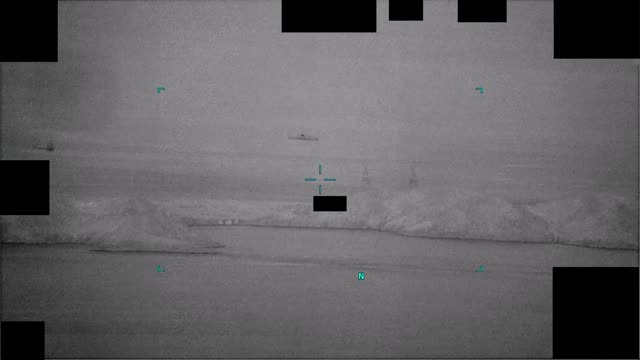
DOW-UAP-PR142, Unresolved UAP Report, Middle East, 2025
DOW-UAP-PR142 is a second 2025 Middle East clip, distinct from the PR134 event. The United States Central Command submitted a report of an unidentified anomalous phenomenon to the All-domain Anomaly Resolution Office (AARO) consisting of 14 seconds of video footage from an infrared sensor aboard a U.S. The official frame-by-frame description for DOW-UAP-PR142 reads: "00:00-00:04: No content. 00:05-00:08: An area of contrast enters the sensor field-of-view from the left edge, transits from left to right, and exits the right edge of the frame. 00:09-00:14: No content."
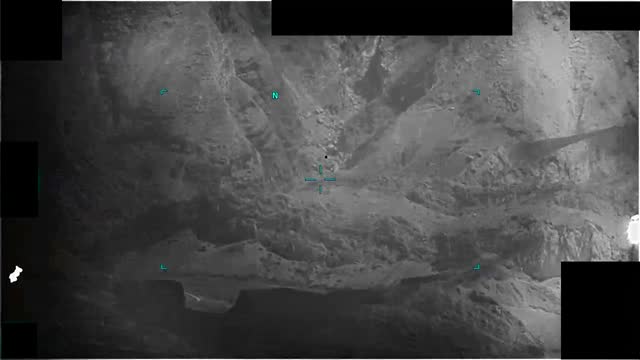
DOW-UAP-PR136, Unresolved UAP Report, Middle East, 2023
DOW-UAP-PR136 is a stand-alone infrared clip from a 2023 Middle East UAP report. The United States Central Command submitted a report of an unidentified anomalous phenomenon to the All-domain Anomaly Resolution Office (AARO) consisting of 30 seconds of video footage from an infrared sensor aboard a U.S. The official frame-by-frame description for DOW-UAP-PR136 reads: "00:00-00:08: The sensor pans to track an area of contrast, keeping it generally centered within the frame. The sensor is partially occluded by a component of the platform passing in front of it, obscuring the background. 00:09-00:33: The sensor zooms in on the area of contrast. A reticle briefly surrounds the area of contrast. The sensor is occluded by a component of the platform, obscuring the display."
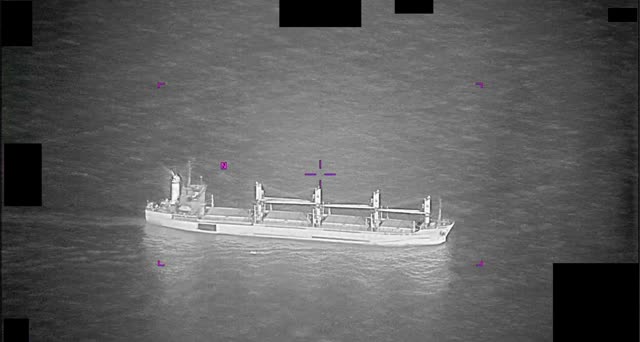
DOW-UAP-PR149, Unresolved UAP Report, Middle East, 2023
DOW-UAP-PR149 is a second 2023 Middle East clip, distinct from the PR136 event. The United States Central Command submitted a report of an unidentified anomalous phenomenon to the All-domain Anomaly Resolution Office (AARO) consisting of 51 seconds of video footage from an infrared sensor aboard a U.S. The official frame-by-frame description for DOW-UAP-PR149 reads: "00:00-00:04: An area of contrast transits the frame from the bottom right edge to the lower left edge of the sensor field-of-view. 00:05-00:51: The sensor pans to track the area of contrast, keeping it generally within the center of the frame."
FBI-UAP-D026, FD-302, "Dark Translucent Triangle," 2023
This document is an FBI FD-302, a form the Federal Bureau of Investigation (FBI) uses to record interviews. This FD-302 records a January 2026 interview with a former employee of the Department of War, in which the interviewee describes an incident potentially involving unidentified anomalous phenomena (UAP) in Colorado Springs, Colorado, in October 2023. An FBI digital rendering based upon the observer's description accompanies this document, under the title FBI-UAP-D027.
FBI-UAP-D027, Digital Rendering, "Dark Translucent Triangle," 2023
FBI-UAP-D027 is the sole rendering the FBI prepared for FD-302 interview record FBI-UAP-D026, which documents "Dark Translucent Triangle" (Colorado Springs, 2023). This image is an artistic interpretation of a reported incident near Colorado Springs, Colorado, potentially involving unidentified anomalous phenomena (UAP) in October 2023. This image is based upon a first-hand description provided by a former Department of War employee, as described in FBI-UAP-D026. The Federal Bureau of Investigation prepared this digital rendering in 2026 as a visual aid in support of the PURSUE initiative.
FBI-UAP-D030, FD-302, "Large Triangle with Red Lights," 2023
This document is an FBI FD-302, a form the Federal Bureau of Investigation (FBI) uses to record interviews. This FD-302 records an October 2025 interview with a U.S. Person, in which the interviewee describes an incident potentially involving unidentified anomalous phenomena (UAP) in Colorado Springs, Colorado, in October 2023. An FBI digital rendering based upon the observer's description accompanies this document, under the title FBI-UAP-D031.
FBI-UAP-D031, Digital Rendering, "Large Triangle with Red Lights," 2023
FBI-UAP-D031 is the sole rendering the FBI prepared for FD-302 interview record FBI-UAP-D030, which documents "Large Triangle with Red Lights" (Colorado Springs, 2023). This image is an artistic interpretation of a reported incident potentially involving unidentified anomalous phenomena (UAP) near Colorado Springs, Colorado in 2023. This image is based upon a first-hand description provided by a U.S. Person, as described in FBI-UAP-D030. The Federal Bureau of Investigation prepared this digital rendering in 2026 as a visual aid in support of the PURSUE initiative.
DOW-UAP-D101, Intelligence Information Report, Unresolved UAP Report, Gulf of Oman, 2021
This document is an Intelligence Information Report (IIR), the primary standardized format utilized by the Department of War, military services, and the broader Intelligence Community to disseminate unevaluated intelligence information derived from human sources (HUMINT), open sources, and field collection activities. IIRs are not finished intelligence products; they serve as inputs for subsequent all-source intelligence assessments.
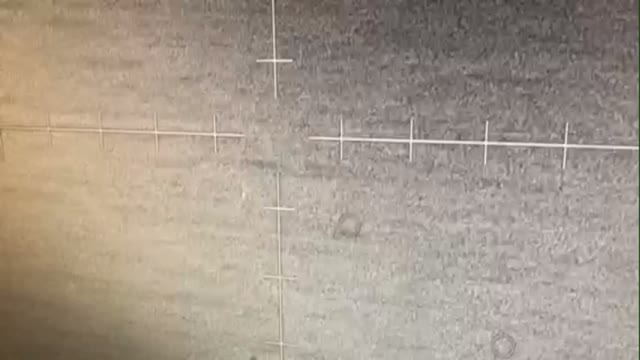
DOW-UAP-PR117, Unresolved UAP Report, Gulf of Oman, 2021
DOW-UAP-PR117 is the first of six contemporaneous infrared clips recorded over the Gulf of Oman on 8 September 2021 and submitted by U.S. Central Command to AARO. The United States Central Command submitted a report of an unidentified anomalous phenomenon to the All-domain Anomaly Resolution Office (AARO) consisting of 16 seconds of video footage. The official frame-by-frame description for DOW-UAP-PR117 reads: "00:00-00:16: An area of contrast remains generally within the center of the sensor field-of-view."
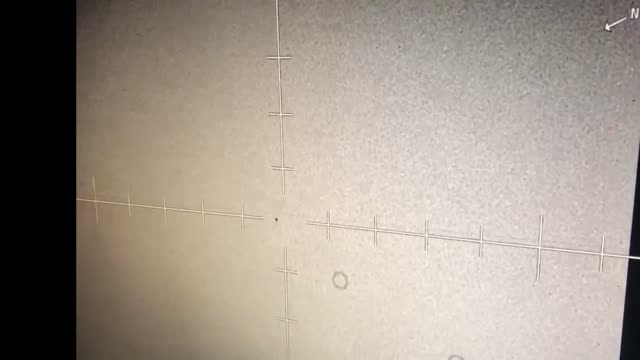
DOW-UAP-PR118, Unresolved UAP Report, Gulf of Oman, 2021
DOW-UAP-PR118 is the second of six contemporaneous infrared clips recorded over the Gulf of Oman on 8 September 2021 and submitted by U.S. Central Command to AARO. The United States Central Command submitted a report of an unidentified anomalous phenomenon to the All-domain Anomaly Resolution Office (AARO) consisting of 30 seconds of video footage. The official frame-by-frame description for DOW-UAP-PR118 reads: "00:00-00:30: An area of contrast remains generally within the center of the sensor field-of-view, momentarily exiting the bottom of the frame."
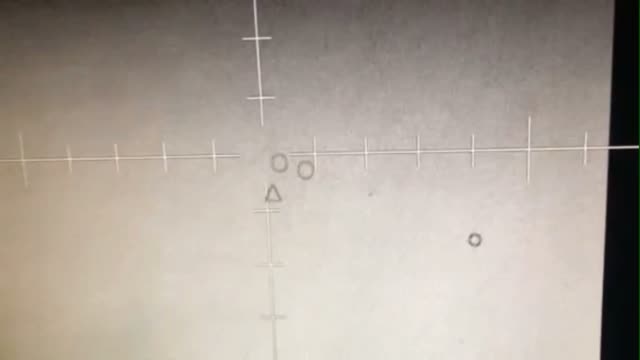
DOW-UAP-PR119, Unresolved UAP Report, Gulf of Oman, 2021
DOW-UAP-PR119 is the third of six contemporaneous infrared clips recorded over the Gulf of Oman on 8 September 2021 and submitted by U.S. Central Command to AARO. The United States Central Command submitted a report of an unidentified anomalous phenomenon to the All-domain Anomaly Resolution Office (AARO) consisting of two seconds of video footage. The official frame-by-frame description for DOW-UAP-PR119 reads: "00:00-00:02: An area of contrast remains generally within the center of the sensor field-of-view."
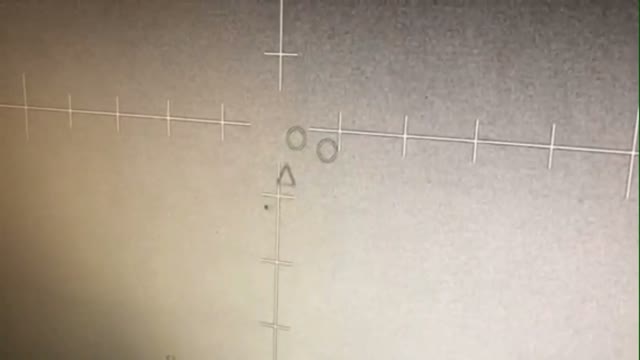
DOW-UAP-PR120, Unresolved UAP Report, Gulf of Oman, 2021
DOW-UAP-PR120 is the fourth of six contemporaneous infrared clips recorded over the Gulf of Oman on 8 September 2021 and submitted by U.S. Central Command to AARO. The United States Central Command submitted a report of an unidentified anomalous phenomenon to the All-domain Anomaly Resolution Office (AARO) consisting of 13 seconds of video footage. The official frame-by-frame description for DOW-UAP-PR120 reads: "00:00-00:08: An area of contrast remains generally within the center of the sensor field-of-view. Visual elements of the sensor display enter and exit the frame throughout the duration of the video. 00:08-00:13: The sensor changes modalities twice and the area of contrast loses distinctiveness against the background."
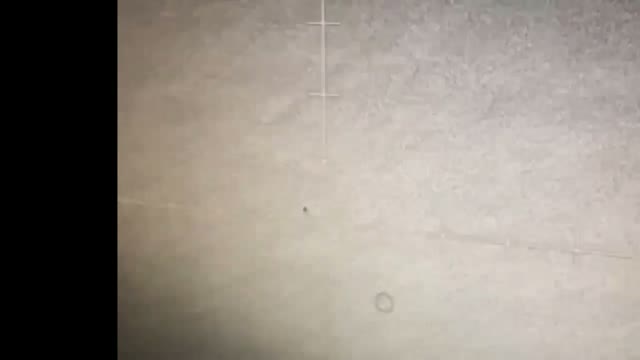
DOW-UAP-PR121, Unresolved UAP Report, Gulf of Oman, 2021
DOW-UAP-PR121 is the fifth of six contemporaneous infrared clips recorded over the Gulf of Oman on 8 September 2021 and submitted by U.S. Central Command to AARO. The United States Central Command submitted a report of an unidentified anomalous phenomenon to the All-domain Anomaly Resolution Office (AARO) consisting of 34 seconds of video footage. The official frame-by-frame description for DOW-UAP-PR121 reads: "00:00-00:12: An area of contrast remains generally within the center of the sensor field-of-view. Visual elements of the sensor display enter and exit the frame throughout the duration of the video. 00:13-00:18: A relatively larger area of contrast transits from the bottom of the frame to the top of the sensor's field-of-view, then re-enters from the top left to the bottom left of the frame. The relatively smaller area of contrast exits the bottom of the frame, and re-enters from the upper-right quarter of the frame. 00:19-00:34: The sensor adjusts, and an area of contrast enters the sensor field-of-view from the top of the frame, and remains generally within the center of the frame. AARO Comment: This video footage significantly overlaps in content with DOW-UAP-PR122."
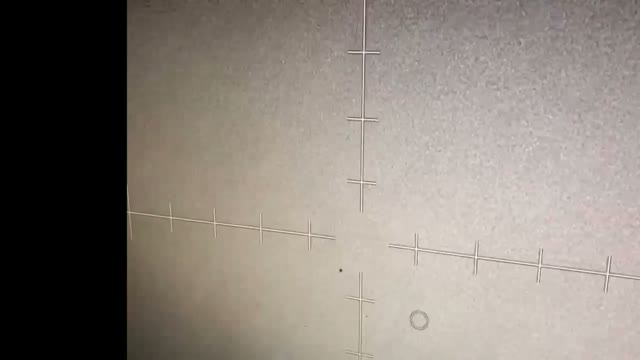
DOW-UAP-PR122, Unresolved UAP Report, Gulf of Oman, 2021
DOW-UAP-PR122 is the sixth of six contemporaneous infrared clips recorded over the Gulf of Oman on 8 September 2021 and submitted by U.S. Central Command to AARO. The United States Central Command submitted a report of an unidentified anomalous phenomenon to the All-domain Anomaly Resolution Office (AARO) consisting of 26 seconds of video footage. The official frame-by-frame description for DOW-UAP-PR122 reads: "00:00-00:05: An area of contrast remains generally within the center of the sensor field-of-view. Visual elements of the sensor display enter and exit the frame throughout the duration of the video. 00:06-00:07: A relatively larger area of contrast transits from the bottom of the frame to the top of the sensor's field-of-view, then re-enters from the top left to the bottom left of the frame. The relatively smaller area of contrast exits the bottom of the frame, and re-enters from the upper-right quarter of the frame. 00:08-00:26: The sensor adjusts, and an area of contrast enters the sensor field-of-view from the top of the frame, and remains generally within the center of the frame. AARO Comment: This video footage significantly overlaps in content with DOW-UAP-PR121."
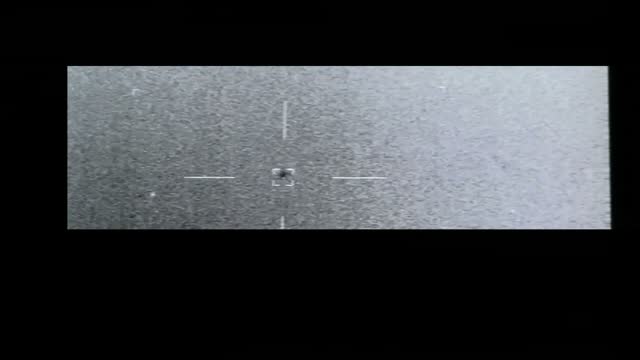
DOW-UAP-PR123, Unresolved UAP Report, Pacific Ocean, 2019
DOW-UAP-PR123 is the first of five related clips from a 2019 Pacific Ocean encounter series submitted to the U.S. Navy Unidentified Anomalous Phenomena Task Force. The United States Navy Unidentified Anomalous Phenomena Task Force (UAPTF) transferred this media to the All-domain Anomaly Resolution Office (AARO) in 2022. The official frame-by-frame description for DOW-UAP-PR123 reads: "00:00-00:03: An area of contrast is visible near the center of the frame. 00:04-00:07: The area of contrast loses distinctiveness against the background. 00:08-00:25: An area of contrast becomes visible near the center of the frame. The sensor pans and zooms in to focus on the area of contrast, keeping it generally within the center of the frame. 00:25-01:04: The area of contrast remains generally centered within the sensor field-of-view."
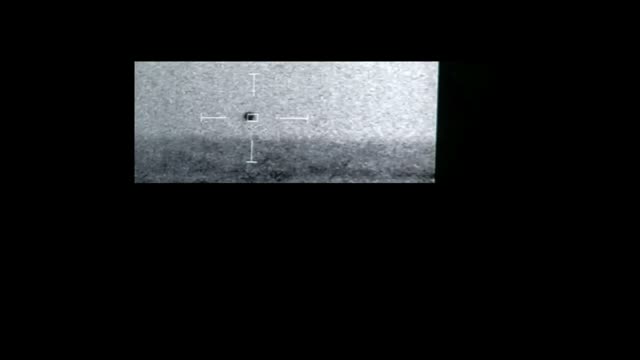
DOW-UAP-PR124, Unresolved UAP Report, Pacific Ocean, 2019
DOW-UAP-PR124 is the second of five related clips from a 2019 Pacific Ocean encounter series submitted to the U.S. Navy Unidentified Anomalous Phenomena Task Force. The United States Navy Unidentified Anomalous Phenomena Task Force (UAPTF) transferred this media to the All-domain Anomaly Resolution Office (AARO) in 2022. The official frame-by-frame description for DOW-UAP-PR124 reads: "00:00-00:01: An area of contrast remains generally centered within the sensor field-of-view. 00:02-00:29: The sensor zooms in on the area of contrast. 00:30-00:53: The area of contrast loses distinctiveness against the background."
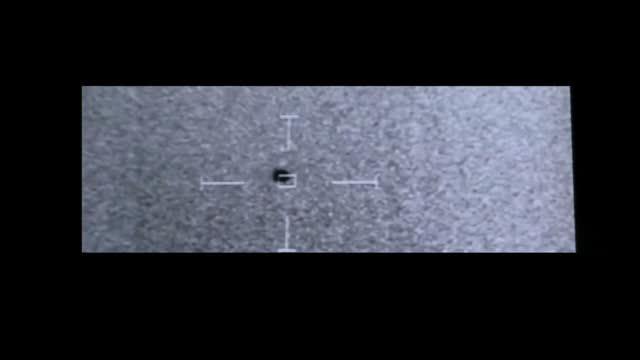
DOW-UAP-PR125, Unresolved UAP Report, Pacific Ocean, 2019
DOW-UAP-PR125 is the third of five related clips from a 2019 Pacific Ocean encounter series submitted to the U.S. Navy Unidentified Anomalous Phenomena Task Force. The United States Navy Unidentified Anomalous Phenomena Task Force (UAPTF) transferred this media to the All-domain Anomaly Resolution Office (AARO) in 2022. The official frame-by-frame description for DOW-UAP-PR125 reads: "00:00-00:05: An area of contrast remains generally centered within the sensor field-of-view. 00:06-00:09: The area of contrast tracks left within the sensor field-of-view. 00:10-00:15: The area of contrast loses distinctiveness against the background. 00:16-00:22: An area of contrast appears in the sensor field-of-view. The sensor pans to track it, keeping it generally within the center of the frame. 00:23-00:28: The area of contrast remains generally centered within the sensor field-of-view."
DOW-UAP-PR126, Unresolved UAP Report, Pacific Ocean, 2019
DOW-UAP-PR126 is the fourth of five related clips from a 2019 Pacific Ocean encounter series submitted to the U.S. Navy Unidentified Anomalous Phenomena Task Force. The United States Navy Unidentified Anomalous Phenomena Task Force (UAPTF) transferred this media to the All-domain Anomaly Resolution Office (AARO) in 2022. The official frame-by-frame description for DOW-UAP-PR126 reads: "00:00-00:08: The camera pans against the background, bringing two apparent light sources into frame from the top left corner. The recording device focuses on the light sources, keeping them generally within the center of the frame. 00:09-00:53: The camera pans against the background. As the camera pans, it repeatedly brings several apparent light sources into and out of the frame. 00:54-01:23: The sensor zooms in on the light source in the lower left quarter of the frame, focusing to bring it into the center of the field-of-view. 01:24-02:32: The sensor zooms out and continues to pan to track apparent light sources. As the camera pans, it repeatedly brings several apparent light sources into and out of the frame."
DOW-UAP-PR127, Unresolved UAP Report, Pacific Ocean, 2019
DOW-UAP-PR127 is the fifth of five related clips from a 2019 Pacific Ocean encounter series submitted to the U.S. Navy Unidentified Anomalous Phenomena Task Force. The United States Navy Unidentified Anomalous Phenomena Task Force (UAPTF) transferred this media to the All-domain Anomaly Resolution Office (AARO) in 2022. The official frame-by-frame description for DOW-UAP-PR127 reads: "00:00-00:17: The camera pans to track an apparent light source. 00:18-00:26: No content. 00:27-00:43: The camera pans to track an apparent light source. 00:44-00:47: No content. 00:47-00:49: The camera pans to track an apparent light source. 00:50-00:52: No content. 00:53-00:57: The camera pans to track an apparent light source. 00:57-01:02: No content. 01:02-02:28: The camera pans to track an apparent light source."
FBI-UAP-D028, FD-302, "Dark Triangle with Lights," 2011
This document is an FBI FD-302, a form the Federal Bureau of Investigation (FBI) uses to record interviews. This FD-302 records an April 2025 interview with two former U.S. military service members, in which the interviewees describe an incident potentially involving unidentified anomalous phenomena (UAP) in June or July of 2011. An FBI digital rendering based upon the observers' descriptions accompanies this document, under the title FBI-UAP-D029.

FBI-UAP-D029, Digital Rendering, "Dark Triangle with Lights," 2011
FBI-UAP-D029 is the sole rendering the FBI prepared for FD-302 interview record FBI-UAP-D028, which documents "Dark Triangle with Lights" (2011). This image is an artistic interpretation of a reported incident potentially involving unidentified anomalous phenomena (UAP) in June or July of 2011. This image is based upon a first-hand description provided by two former U.S. military service members, as described in FBI-UAP-D028. The Federal Bureau of Investigation prepared this digital rendering in 2026 as a visual aid in support of the PURSUE initiative.
FBI-UAP-D024, FD-302, "Airborne Lights and Triangle," 2002, 2023-2024
This document is an FBI FD-302, a form the Federal Bureau of Investigation (FBI) uses to record interviews. This FD-302 records a March 2024 interview with a former U.S. military pilot, in which the interviewee describes several incidents potentially involving unidentified anomalous phenomena (UAP) in 2023 and 2024. The interviewee also recalls a 2002 incident potentially involving UAP, while deployed as a military reservist in Afghanistan.

FBI-UAP-D025, Digital Rendering, "Airborne Triangle," 2002
FBI-UAP-D025 is the sole rendering the FBI prepared for FD-302 interview record FBI-UAP-D024, which documents "Airborne Lights and Triangle" (Bagram, 2002). This image is an artistic interpretation of a reported incident above Bagram Air Force Base, Afghanistan, potentially involving unidentified anomalous phenomena (UAP) in June 2002. This image is based upon a first-hand description provided by a former military service member, as described in FBI-UAP-D024. The Federal Bureau of Investigation prepared this digital rendering as a visual aid in 2026 in support of the PURSUE initiative.
CIA-UAP-D022, Unidentified Flying Object Reported near Puerto Rico, 1965
This file contains Central Intelligence Agency (CIA) memoranda exchanged between the Assistant Director for Special Activities (AD/SA) and the Assistant Director for Scientific Intelligence (AD/SI) regarding an incident allegedly involving unidentified aircraft in the vicinity of Puerto Rico. The AD/SI was then-responsible for analyzing foreign scientific advancements and technological threats, such as Soviet nuclear, chemical, and ballistic missile capabilities.
CIA-UAP-D023, Briefing Notes for Mr. Walter Elder
This document contains briefing material prepared for Mr. Walter N. Elder, Executive Assistant to the Director of the Central Intelligence Agency (CIA), regarding a November 19, 1964, incident allegedly involving unidentified aircraft in the vicinity of Puerto Rico. The previous entry in this collection, CIA-UAP-D022, contains CIA memoranda on the same subject matter. The briefing includes additional details regarding that incident, including a characterization of the meteorological conditions and sensing capabilities of nearby U.S.
DOS-UAP-D001, Diplomatic Cable, Brazil, November 14, 1963
This document is a U.S. Department of State diplomatic cable from the U.S. Embassy in Rio de Janeiro, Brazil to the Office of the Secretary of State in Washington, D.C., on November 14, 1963. This cable documents an effort by the Embassy to verify that the Department had assessed certain content published in a local newspaper as inauthentic, following a discussion on a poor-quality telephone connection the previous night.
DOS-UAP-D002, Diplomatic Cable, Brazil, November 20, 1963
This document is a U.S. Department of State diplomatic cable from the U.S. Embassy in Rio de Janeiro, Brazil to the Office of the Secretary of State in Washington, D.C., on November 20, 1963. This cable relays the findings of the scientific attaché at the American Consulate in Salvador, Bahia, Brazil, that a widely reported incident allegedly involving a crashed unidentified object was unsubstantiated, characterizing the reports as a fabrication originating in Rio de Janeiro.
EOP-UAP-D001, NASC Inquiry into Bahia, Brazil Incident, November 13, 1963
This document is a Central Intelligence Agency (CIA) Foreign Broadcast Information Service (FBIS) wire report dated November 9, 1963, tracking a local Portuguese-language radio broadcast from Rio de Janeiro, Brazil, regarding an alleged crash of a "large metal sphere" containing a deceased occupant in Conde, Bahia, Brazil. This FBIS report is excerpted from the files of Edward C.
DOW-UAP-D098, Film Analysis of Unidentified Objects, 1953
This file contains a memorandum relating to the U.S. Naval Photographic Interpretation Center's assessment of two films allegedly depicting unidentified airborne objects, captured in Montana and Utah in 1950 and 1952, respectively. The file documents the Center's analytic process, assumptions that constrained its confidence level, tentative conclusions, and recommendations for future research. The Center assessed, generally, that the objects depicted in the film demonstrated characteristics that were inconsistent with those of natural phenomena or commonly known aerospace technologies.
DOW-UAP-D099, Intelligence Review of "Ghost Rocket" Incidents, 1947
This document is a U.S. Department of War General Staff intelligence review assessing incidents involving unidentified "Ghost Rockets" reported over Sweden and other Scandinavian countries beginning in May 1946. The review includes an analysis of observational reports, statements from the Swedish government, and reporting from the U.S. military attaché in Stockholm. The review highlights the inconclusive nature of the contemporary evidence available to substantiate reports from civilian and military observers.
DOW-UAP-D100, Air Materiel Command Report on Unidentified Flying Objects, 1947-1948
This file is a collection of U.S. Government memoranda and correspondence relating to "Project Sign," a 1948 U.S. Air Force program to investigate reports of high-performance airborne objects. The documents characterize some of these reports as being consistent with "real" objects rather than fabrications or resulting from perceptual errors. The U.S. Air Force cites the reported characteristics of the phenomena, e.g., high speed and maneuverability, as exceeding known performance envelopes of U.S.
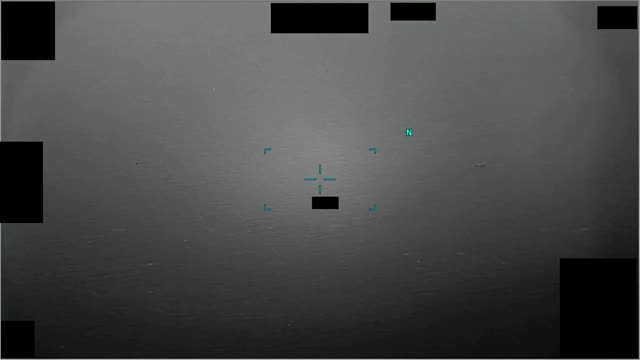
DOD_111830004 - DOD UAP Video (Release 04)
Department of War UAP video DOD_111830004 (DVIDS asset 111830004), one of 23 videos published together in PURSUE Release 04 on July 10, 2026. The footage is presented unedited as released and is indexed here for source review, comparison across the video package, and citation.
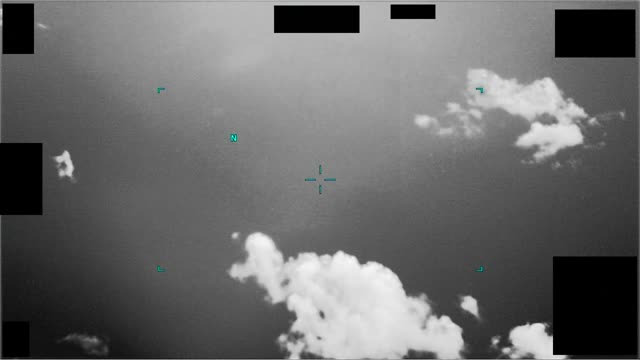
DOD_111830007 - DOD UAP Video (Release 04)
Department of War UAP video DOD_111830007 (DVIDS asset 111830007), one of 23 videos published together in PURSUE Release 04 on July 10, 2026. The footage is presented unedited as released and is indexed here for source review, comparison across the video package, and citation.
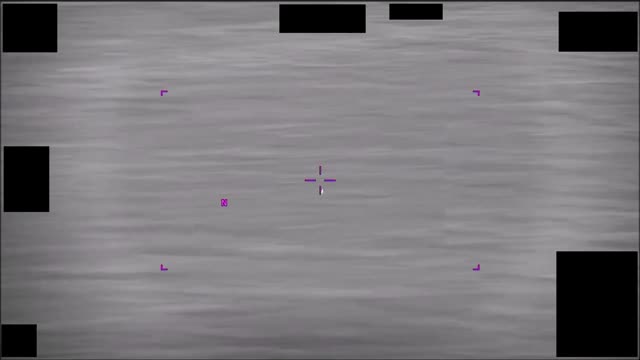
DOD_111830012 - DOD UAP Video (Release 04)
Department of War UAP video DOD_111830012 (DVIDS asset 111830012), one of 23 videos published together in PURSUE Release 04 on July 10, 2026. The footage is presented unedited as released and is indexed here for source review, comparison across the video package, and citation.
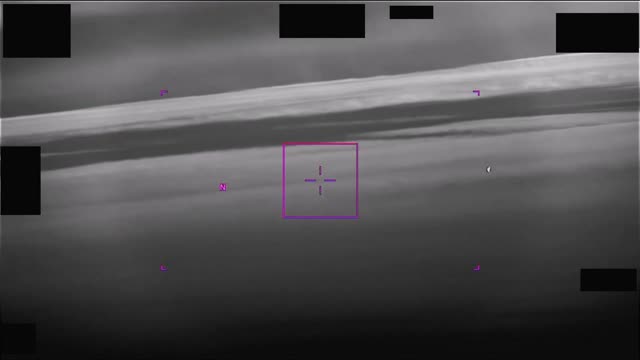
DOD_111830015 - DOD UAP Video (Release 04)
Department of War UAP video DOD_111830015 (DVIDS asset 111830015), one of 23 videos published together in PURSUE Release 04 on July 10, 2026. The footage is presented unedited as released and is indexed here for source review, comparison across the video package, and citation.
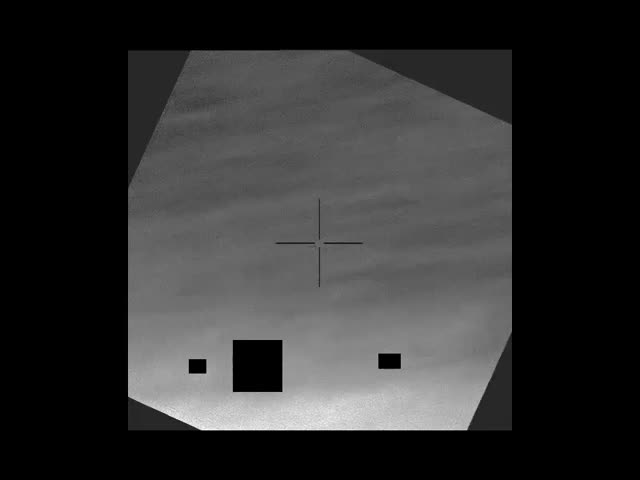
DOD_111830020 - DOD UAP Video (Release 04)
Department of War UAP video DOD_111830020 (DVIDS asset 111830020), one of 23 videos published together in PURSUE Release 04 on July 10, 2026. The footage is presented unedited as released and is indexed here for source review, comparison across the video package, and citation.
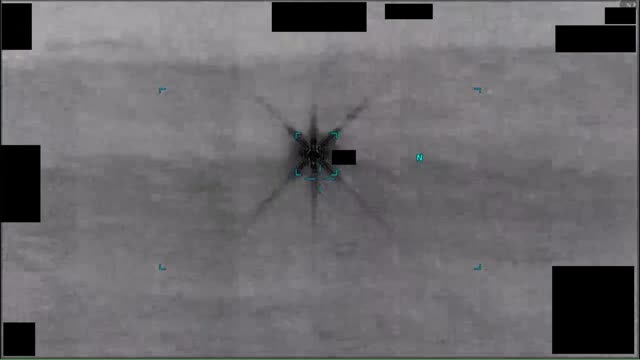
DOD_111830027 - DOD UAP Video (Release 04)
Department of War UAP video DOD_111830027 (DVIDS asset 111830027), one of 23 videos published together in PURSUE Release 04 on July 10, 2026. The footage is presented unedited as released and is indexed here for source review, comparison across the video package, and citation.
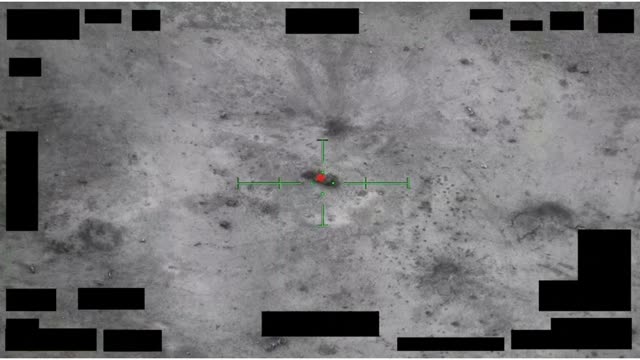
DOD_111830028 - DOD UAP Video (Release 04)
Department of War UAP video DOD_111830028 (DVIDS asset 111830028), one of 23 videos published together in PURSUE Release 04 on July 10, 2026. The footage is presented unedited as released and is indexed here for source review, comparison across the video package, and citation.
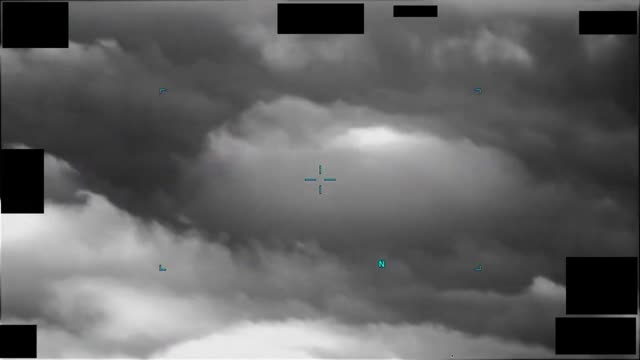
DOD_111830030 - DOD UAP Video (Release 04)
Department of War UAP video DOD_111830030 (DVIDS asset 111830030), one of 23 videos published together in PURSUE Release 04 on July 10, 2026. The footage is presented unedited as released and is indexed here for source review, comparison across the video package, and citation.
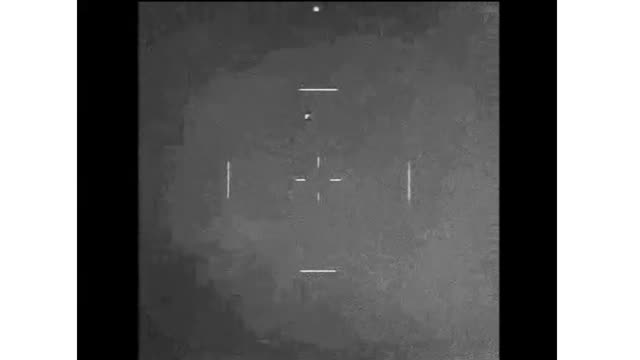
DOD_111830034 - DOD UAP Video (Release 04)
Department of War UAP video DOD_111830034 (DVIDS asset 111830034), one of 23 videos published together in PURSUE Release 04 on July 10, 2026. The footage is presented unedited as released and is indexed here for source review, comparison across the video package, and citation.
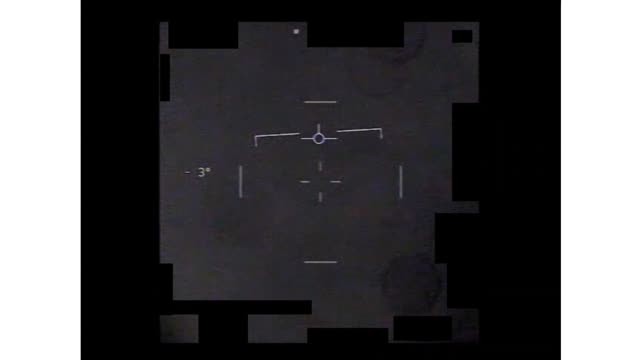
DOD_111830041 - DOD UAP Video (Release 04)
Department of War UAP video DOD_111830041 (DVIDS asset 111830041), one of 23 videos published together in PURSUE Release 04 on July 10, 2026. The footage is presented unedited as released and is indexed here for source review, comparison across the video package, and citation.
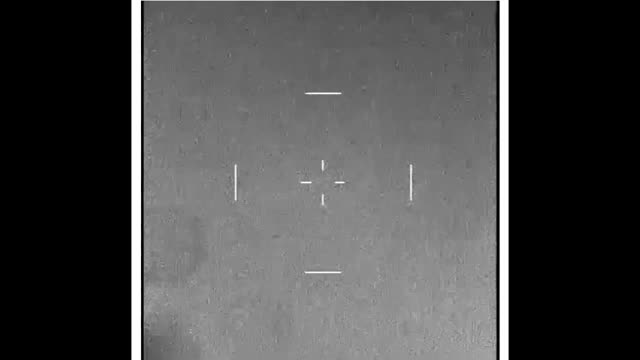
DOD_111830058 - DOD UAP Video (Release 04)
Department of War UAP video DOD_111830058 (DVIDS asset 111830058), one of 23 videos published together in PURSUE Release 04 on July 10, 2026. The footage is presented unedited as released and is indexed here for source review, comparison across the video package, and citation.

DOD_111830063 - DOD UAP Video (Release 04)
Department of War UAP video DOD_111830063 (DVIDS asset 111830063), one of 23 videos published together in PURSUE Release 04 on July 10, 2026. The footage is presented unedited as released and is indexed here for source review, comparison across the video package, and citation.
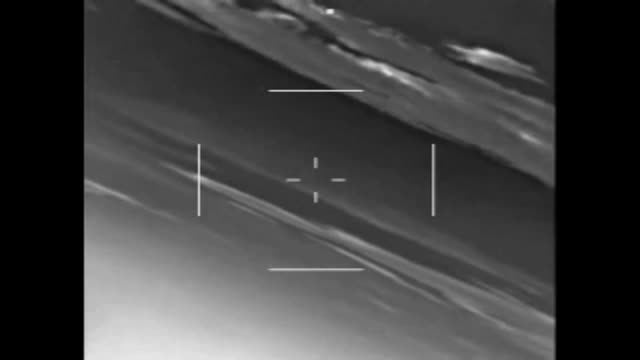
DOD_111830065 - DOD UAP Video (Release 04)
Department of War UAP video DOD_111830065 (DVIDS asset 111830065), one of 23 videos published together in PURSUE Release 04 on July 10, 2026. The footage is presented unedited as released and is indexed here for source review, comparison across the video package, and citation.

DOD_111830069 - DOD UAP Video (Release 04)
Department of War UAP video DOD_111830069 (DVIDS asset 111830069), one of 23 videos published together in PURSUE Release 04 on July 10, 2026. The footage is presented unedited as released and is indexed here for source review, comparison across the video package, and citation.
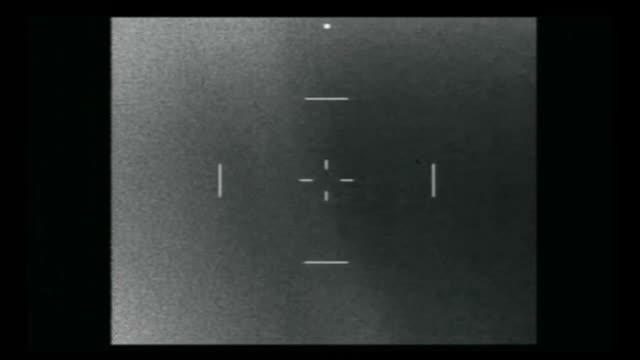
DOD_111830075 - DOD UAP Video (Release 04)
Department of War UAP video DOD_111830075 (DVIDS asset 111830075), one of 23 videos published together in PURSUE Release 04 on July 10, 2026. The footage is presented unedited as released and is indexed here for source review, comparison across the video package, and citation.
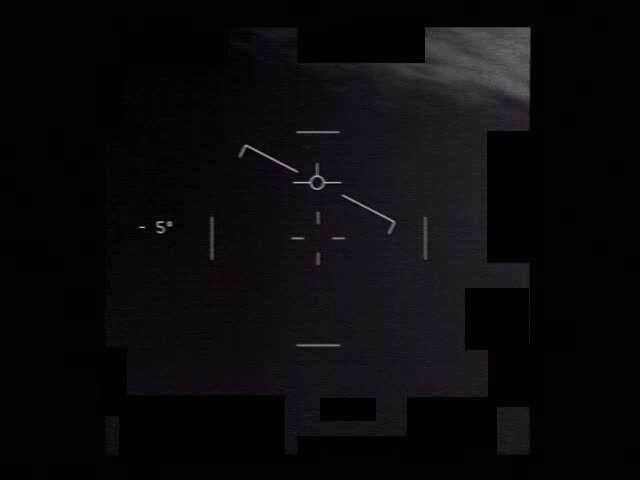
DOD_111830080 - DOD UAP Video (Release 04)
Department of War UAP video DOD_111830080 (DVIDS asset 111830080), one of 23 videos published together in PURSUE Release 04 on July 10, 2026. The footage is presented unedited as released and is indexed here for source review, comparison across the video package, and citation.

DOD_111830085 - DOD UAP Video (Release 04)
Department of War UAP video DOD_111830085 (DVIDS asset 111830085), one of 23 videos published together in PURSUE Release 04 on July 10, 2026. The footage is presented unedited as released and is indexed here for source review, comparison across the video package, and citation.

DOD_111830092 - DOD UAP Video (Release 04)
Department of War UAP video DOD_111830092 (DVIDS asset 111830092), one of 23 videos published together in PURSUE Release 04 on July 10, 2026. The footage is presented unedited as released and is indexed here for source review, comparison across the video package, and citation.
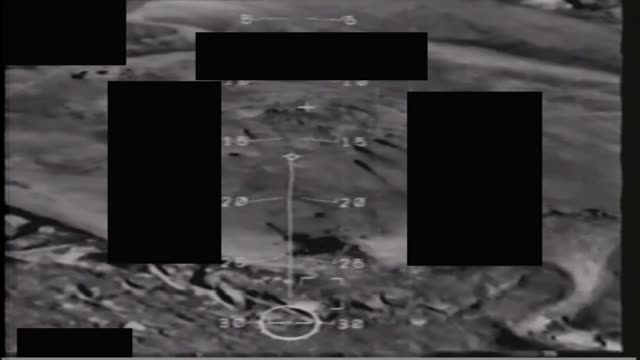
DOD_111830133 - DOD UAP Video (Release 04)
Department of War UAP video DOD_111830133 (DVIDS asset 111830133), one of 23 videos published together in PURSUE Release 04 on July 10, 2026. The footage is presented unedited as released and is indexed here for source review, comparison across the video package, and citation.
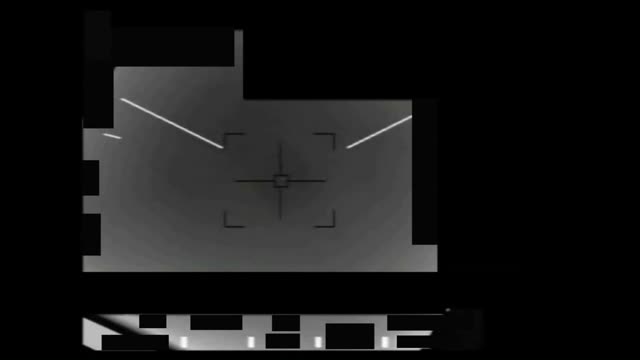
DOD_111830143 - DOD UAP Video (Release 04)
Department of War UAP video DOD_111830143 (DVIDS asset 111830143), one of 23 videos published together in PURSUE Release 04 on July 10, 2026. The footage is presented unedited as released and is indexed here for source review, comparison across the video package, and citation.
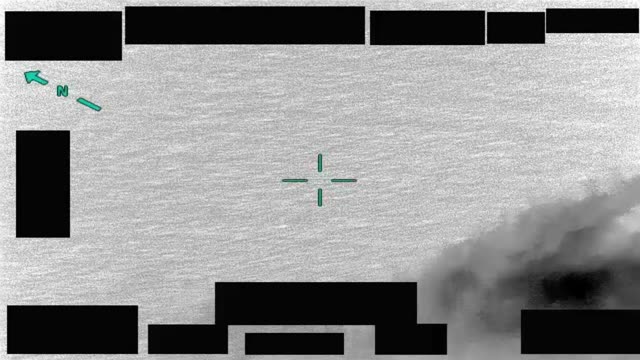
DOD_111830147 - DOD UAP Video (Release 04)
Department of War UAP video DOD_111830147 (DVIDS asset 111830147), one of 23 videos published together in PURSUE Release 04 on July 10, 2026. The footage is presented unedited as released and is indexed here for source review, comparison across the video package, and citation.
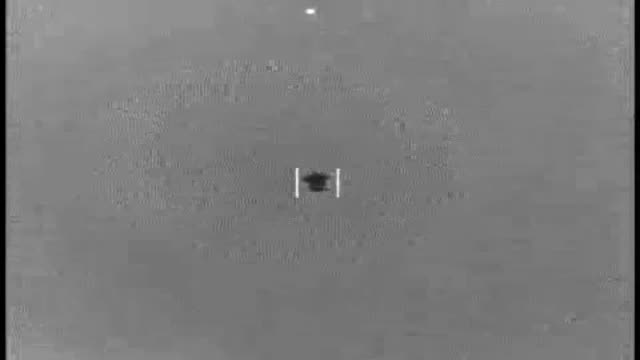
DOD_111830151 - DOD UAP Video (Release 04)
Department of War UAP video DOD_111830151 (DVIDS asset 111830151), one of 23 videos published together in PURSUE Release 04 on July 10, 2026. The footage is presented unedited as released and is indexed here for source review, comparison across the video package, and citation.
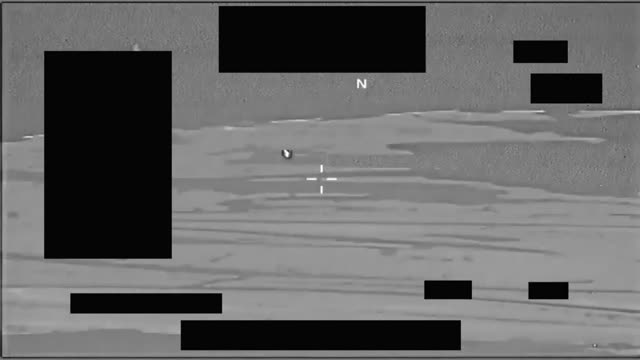
DOD_111830201 - DOD UAP Video (Release 04)
Department of War UAP video DOD_111830201 (DVIDS asset 111830201), one of 23 videos published together in PURSUE Release 04 on July 10, 2026. The footage is presented unedited as released and is indexed here for source review, comparison across the video package, and citation.
DOW-UAP-D089 - Range Fouler Debrief - Eastern United States (2020)
A 2020 military aircrew debrief documenting a 'range fouler' event, an unidentified object intruding into an active training range airspace over the Eastern United States. Part of the same reporting series as the East Coast encounters that drove the Navy's revised UAP reporting guidelines.
DOW-UAP-D091 - Range Fouler Debrief - Atlantic Ocean (2020)
A 2020 debrief documenting an unidentified object intrusion into a training range over the Atlantic Ocean. Offshore warning areas off the U.S. East Coast are where many of the best-documented military UAP encounters have occurred, and this report adds another data point to that series.
DOW-UAP-D090 - Range Fouler Debrief - Eastern United States (2019)
A 2019 aircrew debrief recording an unidentified object that fouled an active military training range over the Eastern United States. The 2019 date places it in the same window as the cluster of East Coast UAP encounters later confirmed by the Navy.
DOE-UAP-D005 - Pantex Plant Unidentified Object Incident Report (2015)
A 2015 Department of Energy incident report concerning an unidentified object observed at or near the Pantex Plant in Texas, the primary U.S. facility for nuclear weapons assembly and disassembly. A rare modern DOE record showing how unidentified object reports at sensitive nuclear sites are documented and escalated.
NASA-UAP-D030 - STS-80 Unidentified Object - Image 1 (1996)
First of three official NASA images from Space Shuttle Columbia mission STS-80 (November-December 1996) showing an unidentified object recorded during the flight. The STS-80 footage is among the most analyzed shuttle-era imagery in UFO research, and this release marks its formal publication in the PURSUE declassification series.
NASA-UAP-D031 - STS-80 Unidentified Object - Image 2 (1996)
Second official NASA image of the unidentified object recorded during shuttle mission STS-80 in late 1996. Viewed as a sequence with images 1 and 3, the set documents the object's apparent motion as captured by the shuttle's cameras.
NASA-UAP-D032 - STS-80 Unidentified Object - Image 3 (1996)
Third official NASA image of the unidentified object recorded during shuttle mission STS-80 in late 1996, completing the three-frame set released in this batch. The images allow side-by-side comparison of the object's position and appearance across the sequence.
FBI-UAP-D014 - FBI Correspondence Relating to UFO Sightings (1967-1974)
FBI correspondence about UFO sightings spanning 1967 to 1974, the years bracketing Project Blue Book's closure in 1969. With the Air Force out of the UFO business after 1969, files like this show where citizen reports and official referrals went instead, and how the Bureau responded.
DOW-UAP-D092 - Air Force Committee to Review Project Blue Book (1966-1967)
Records of the Air Force scientific committee convened in 1966 to review Project Blue Book, the review that concluded the UFO program needed strengthened scientific study and led to the University of Colorado (Condon) study. A pivotal document in how the Air Force wound down its public UFO investigation.
CIA-UAP-D020 - CIA Memorandum on Unconventional Aircraft Sightings (1955)
A 1955 Central Intelligence Agency memorandum on the handling and reporting of unconventional aircraft sightings. Written two years after the Robertson Panel, it shows how the agency routed, evaluated, and discussed sighting reports during a period when official interest was publicly downplayed.
CIA-UAP-D021 - CIA Analysis of Unconventional Aircraft Sightings (1955)
A 1955 CIA analytical paper examining unconventional aircraft sighting reports. The companion piece to CIA-UAP-D020, it moves beyond routing procedure into assessment: what the reports described, how credible they were judged to be, and what explanations analysts favored at the time.
DOW-UAP-D096 - Correspondence Relating to Project Blue Book (1955)
A 1955 file of official correspondence concerning Project Blue Book, the Air Force's UFO investigation program. Correspondence files like this capture the working relationships between Blue Book staff, Air Force commands, and outside inquiries during the program's most active decade.
DOW-UAP-D095 - Joint U.S.-Canadian Aviation Projects and UFO Sighting Reports (1954-1955)
Mid-1950s records covering joint U.S.-Canadian advanced aviation projects alongside UFO sighting reports from the same period. The pairing is notable: the era's disc-shaped experimental aircraft programs, such as the Avro Canada projects, were repeatedly entangled with public flying saucer reporting.
DOE-UAP-D004 - Los Alamos Conference on Aerial Phenomena (1949)
Record of a 1949 conference held at Los Alamos where scientists, military officers, and security officials discussed the wave of unexplained aerial phenomena, including the green fireballs, observed near New Mexico's nuclear weapons installations. One of the earliest documented cases of the atomic-security establishment treating aerial phenomena as a potential security concern.
DOW-UAP-D094 - Analysis of Flying Object Incidents in the U.S. (1949)
The 1949 follow-on analysis of flying object incidents in the United States, extending the 1948 study with another year of incident data. Together the two reports show how Air Force intelligence categorized and explained the earliest waves of American UFO reports.
DOW-UAP-D093 - Analysis of Flying Object Incidents in the U.S. (1948)
A 1948 Air Force intelligence analysis of flying object incidents reported across the United States, produced during the first year of official UFO investigation under Project Sign. This class of early air intelligence study weighed domestic misidentification against the possibility of foreign or unknown vehicles.
DOW-UAP-D097 - Project Sign Progress Report (1948)
A 1948 progress report from Project Sign, the U.S. Air Force's first official UFO investigation, established at Wright-Patterson AFB in the wake of the 1947 sighting wave. Sign's internal reporting is foundational source material: it predates Grudge and Blue Book and records the earliest official attempts to explain the phenomenon.
CIA-UAP-004 - CASE 17708 CLOSED AND DR LEON DAVIDSON
CIA-UAP-004 - CASE 17708 CLOSED AND DR LEON DAVIDSON is a PURSUE Release 03 document from Central Intelligence Agency, dated 2026. The June 12, 2026 batch expands the archive with historical intelligence files, FBI incident material, NASA Gemini records, and Western U.S. event documents.
CIA-UAP-005 - GERMAN SCIENTISTS ARTICLE ON FLYING DISCS
CIA-UAP-005 - GERMAN SCIENTISTS ARTICLE ON FLYING DISCS is a PURSUE Release 03 document from Central Intelligence Agency, dated 2026. The June 12, 2026 batch expands the archive with historical intelligence files, FBI incident material, NASA Gemini records, and Western U.S. event documents.
CIA-UAP-006 - Sighting Of Unconventional Aircraft
CIA-UAP-006 - Sighting Of Unconventional Aircraft is a PURSUE Release 03 document from Central Intelligence Agency, dated 2026. The June 12, 2026 batch expands the archive with historical intelligence files, FBI incident material, NASA Gemini records, and Western U.S. event documents.
CIA-UAP-008 - SPECULATIVE PAPER BY N KARDASHEV AND A SAKHAROV
CIA-UAP-008 - SPECULATIVE PAPER BY N KARDASHEV AND A SAKHAROV is a PURSUE Release 03 document from Central Intelligence Agency, dated 2026. The June 12, 2026 batch expands the archive with historical intelligence files, FBI incident material, NASA Gemini records, and Western U.S. event documents.
CIA-UAP-009 - UNKNOWN FLYING OBJECTS OBERVED OVER BUDAPEST
CIA-UAP-009 - UNKNOWN FLYING OBJECTS OBERVED OVER BUDAPEST is a PURSUE Release 03 document from Central Intelligence Agency connected to Budapest, dated 2026. The June 12, 2026 batch expands the archive with historical intelligence files, FBI incident material, NASA Gemini records, and Western U.S. event documents.
CIA-UAP-010 - REPORT ON CONVERSATIONS WITH SOVIET SCIENTISTS ON SUBJECT OF UNIDENTIFIED FLYING OBJECTS IS THE USSR
CIA-UAP-010 - REPORT ON CONVERSATIONS WITH SOVIET SCIENTISTS ON SUBJECT OF UNIDENTIFIED FLYING OBJECTS IS THE USSR is a PURSUE Release 03 document from Central Intelligence Agency connected to USSR, dated 2026. The June 12, 2026 batch expands the archive with historical intelligence files, FBI incident material, NASA Gemini records, and Western U.S. event documents.
CIA-UAP-012 - Combatting Fatigue In Crewmembers
CIA-UAP-012 - Combatting Fatigue In Crewmembers is a PURSUE Release 03 document from Central Intelligence Agency, dated 2026. The June 12, 2026 batch expands the archive with historical intelligence files, FBI incident material, NASA Gemini records, and Western U.S. event documents.
CIA-UAP-013 - Report Of Unusual Flying Object Sightings And Attendant Scientific Activity
CIA-UAP-013 - Report Of Unusual Flying Object Sightings And Attendant Scientific Activity is a PURSUE Release 03 document from Central Intelligence Agency, dated 2026. The June 12, 2026 batch expands the archive with historical intelligence files, FBI incident material, NASA Gemini records, and Western U.S. event documents.
CIA-UAP-014 - British Activity In The Field Of Unidentified Flying Objects
CIA-UAP-014 - British Activity In The Field Of Unidentified Flying Objects is a PURSUE Release 03 document from Central Intelligence Agency connected to United Kingdom, dated 2026. The June 12, 2026 batch expands the archive with historical intelligence files, FBI incident material, NASA Gemini records, and Western U.S. event documents.
CIA-UAP-016 - Sightings Of Unidentified Flying Objects In Ladakh Nepal Sikkim And Bhutan
CIA-UAP-016 - Sightings Of Unidentified Flying Objects In Ladakh Nepal Sikkim And Bhutan is a PURSUE Release 03 document from Central Intelligence Agency connected to Ladakh, Nepal, Sikkim, and Bhutan, dated 2026. The June 12, 2026 batch expands the archive with historical intelligence files, FBI incident material, NASA Gemini records, and Western U.S. event documents.
CIA-UAP-017 - Placement On High Alert Due To Perceived Aggressive Foreign Posturing
CIA-UAP-017 - Placement On High Alert Due To Perceived Aggressive Foreign Posturing is a PURSUE Release 03 document from Central Intelligence Agency connected to United States, dated 2026. The June 12, 2026 batch expands the archive with historical intelligence files, FBI incident material, NASA Gemini records, and Western U.S. event documents.
CIA-UAP-018 - Report Of Unusual Flying Object Sightings And Attendant Scientific Activity
CIA-UAP-018 - Report Of Unusual Flying Object Sightings And Attendant Scientific Activity is a PURSUE Release 03 document from Central Intelligence Agency, dated 2026. The June 12, 2026 batch expands the archive with historical intelligence files, FBI incident material, NASA Gemini records, and Western U.S. event documents.
CIA-UAP-019 - Australian Dept. Of Defense Scientific And Intel Aspects Of The UFO Problem
CIA-UAP-019 - Australian Dept. Of Defense Scientific And Intel Aspects Of The UFO Problem is a PURSUE Release 03 document from Central Intelligence Agency connected to Australia, dated 2026. The June 12, 2026 batch expands the archive with historical intelligence files, FBI incident material, NASA Gemini records, and Western U.S. event documents.

DOD_111764142 - 1920x1080 9000k
DOD_111764142 - 1920x1080 9000k is a PURSUE Release 03 video record from Department of War connected to AARO video release. The file is part of the June 12, 2026 AARO video package and is indexed here for source review, filtering, and citation.
DOD_111764148 - 1920x1080 9000k
DOD_111764148 - 1920x1080 9000k is a PURSUE Release 03 video record from Department of War connected to AARO video release. The file is part of the June 12, 2026 AARO video package and is indexed here for source review, filtering, and citation.
DOD_111764159 - 1920x1080 9000k
DOD_111764159 - 1920x1080 9000k is a PURSUE Release 03 video record from Department of War connected to AARO video release. The file is part of the June 12, 2026 AARO video package and is indexed here for source review, filtering, and citation.
DOD_111764177 - 1920x1080 9000k
DOD_111764177 - 1920x1080 9000k is a PURSUE Release 03 video record from Department of War connected to AARO video release. The file is part of the June 12, 2026 AARO video package and is indexed here for source review, filtering, and citation.
DOD_111764189 - 1920x1080 9000k
DOD_111764189 - 1920x1080 9000k is a PURSUE Release 03 video record from Department of War connected to AARO video release. The file is part of the June 12, 2026 AARO video package and is indexed here for source review, filtering, and citation.

DOD_111764213 - 1920x1080 9000k
DOD_111764213 - 1920x1080 9000k is a PURSUE Release 03 video record from Department of War connected to AARO video release. The file is part of the June 12, 2026 AARO video package and is indexed here for source review, filtering, and citation.

DOD_111764796 - 1920x1080 9000k
DOD_111764796 - 1920x1080 9000k is a PURSUE Release 03 video record from Department of War connected to AARO video release. The file is part of the June 12, 2026 AARO video package and is indexed here for source review, filtering, and citation.

DOD_111764902 - 1920x1080 9000k
DOD_111764902 - 1920x1080 9000k is a PURSUE Release 03 video record from Department of War connected to AARO video release. The file is part of the June 12, 2026 AARO video package and is indexed here for source review, filtering, and citation.

DOD_111764959 - 1920x1080 9000k
DOD_111764959 - 1920x1080 9000k is a PURSUE Release 03 video record from Department of War connected to AARO video release. The file is part of the June 12, 2026 AARO video package and is indexed here for source review, filtering, and citation.
DOW-UAP-D077 - Unresolved Case Analysis Update Western United States Event
DOW-UAP-D077 - Unresolved Case Analysis Update Western United States Event is a PURSUE Release 03 document from Department of War connected to Western United States, dated 2026. The June 12, 2026 batch expands the archive with historical intelligence files, FBI incident material, NASA Gemini records, and Western U.S. event documents.
DOW-UAP-D078 - Notional Map Western United States Event
DOW-UAP-D078 - Notional Map Western United States Event is a PURSUE Release 03 document from Department of War connected to Western United States, dated 2026. The June 12, 2026 batch expands the archive with historical intelligence files, FBI incident material, NASA Gemini records, and Western U.S. event documents.
DOW-UAP-D079 - Narrative 1 Western US Event
DOW-UAP-D079 - Narrative 1 Western US Event is a PURSUE Release 03 document from Department of War connected to Western United States, dated 2026. The June 12, 2026 batch expands the archive with historical intelligence files, FBI incident material, NASA Gemini records, and Western U.S. event documents.
DOW-UAP-D080 - Narrative 2 Western US Event
DOW-UAP-D080 - Narrative 2 Western US Event is a PURSUE Release 03 document from Department of War connected to Western United States, dated 2026. The June 12, 2026 batch expands the archive with historical intelligence files, FBI incident material, NASA Gemini records, and Western U.S. event documents.
DOW-UAP-D081 - Narrative 3 Western US Event
DOW-UAP-D081 - Narrative 3 Western US Event is a PURSUE Release 03 document from Department of War connected to Western United States, dated 2026. The June 12, 2026 batch expands the archive with historical intelligence files, FBI incident material, NASA Gemini records, and Western U.S. event documents.
DOW-UAP-D082 - Narrative 4 Western US Event
DOW-UAP-D082 - Narrative 4 Western US Event is a PURSUE Release 03 document from Department of War connected to Western United States, dated 2026. The June 12, 2026 batch expands the archive with historical intelligence files, FBI incident material, NASA Gemini records, and Western U.S. event documents.
DOW-UAP-D083 - Narrative 5 Western US Event
DOW-UAP-D083 - Narrative 5 Western US Event is a PURSUE Release 03 document from Department of War connected to Western United States, dated 2026. The June 12, 2026 batch expands the archive with historical intelligence files, FBI incident material, NASA Gemini records, and Western U.S. event documents.
DOW-UAP-D084 - US Army Flying Saucer Study 1949
DOW-UAP-D084 - US Army Flying Saucer Study 1949 is a PURSUE Release 03 document from Department of War, dated 2026. The June 12, 2026 batch expands the archive with historical intelligence files, FBI incident material, NASA Gemini records, and Western U.S. event documents.
DOW-UAP-D085 - Transmission Of CIA Scientific Advisory Panel Rept 1953
DOW-UAP-D085 - Transmission Of CIA Scientific Advisory Panel Rept 1953 is a PURSUE Release 03 document from Department of War, dated 2026. The June 12, 2026 batch expands the archive with historical intelligence files, FBI incident material, NASA Gemini records, and Western U.S. event documents.
DOW-UAP-D086 - US Navy Report Of Flying Discs 1948
DOW-UAP-D086 - US Navy Report Of Flying Discs 1948 is a PURSUE Release 03 document from Department of War, dated 2026. The June 12, 2026 batch expands the archive with historical intelligence files, FBI incident material, NASA Gemini records, and Western U.S. event documents.
FBI-UAP-D001 - FD 302 Unresolved UAP Report Colorado Springs 2022
FBI-UAP-D001 - FD 302 Unresolved UAP Report Colorado Springs 2022 is a PURSUE Release 03 document from Federal Bureau of Investigation connected to Colorado Springs, dated 2026. The June 12, 2026 batch expands the archive with historical intelligence files, FBI incident material, NASA Gemini records, and Western U.S. event documents.
FBI-UAP-D002 - FD 1057 Unresolved UAP Report Colorado Springs 2022
FBI-UAP-D002 - FD 1057 Unresolved UAP Report Colorado Springs 2022 is a PURSUE Release 03 document from Federal Bureau of Investigation connected to Colorado Springs, dated 2026. The June 12, 2026 batch expands the archive with historical intelligence files, FBI incident material, NASA Gemini records, and Western U.S. event documents.
FBI-UAP-D003 - Digital Rendering Unresolved UAP Report Colorado Springs 2022
FBI-UAP-D003 - Digital Rendering Unresolved UAP Report Colorado Springs 2022 is a PURSUE Release 03 document from Federal Bureau of Investigation connected to Colorado Springs, dated 2026. The June 12, 2026 batch expands the archive with historical intelligence files, FBI incident material, NASA Gemini records, and Western U.S. event documents.
FBI-UAP-D004 - FD 1057 02 Northeastern US 2024
FBI-UAP-D004 - FD 1057 02 Northeastern US 2024 is a PURSUE Release 03 document from Federal Bureau of Investigation connected to Northeastern United States, dated 2026. The June 12, 2026 batch expands the archive with historical intelligence files, FBI incident material, NASA Gemini records, and Western U.S. event documents.
FBI-UAP-D005 - FD 1057 04 Northeastern US 2024
FBI-UAP-D005 - FD 1057 04 Northeastern US 2024 is a PURSUE Release 03 document from Federal Bureau of Investigation connected to Northeastern United States, dated 2026. The June 12, 2026 batch expands the archive with historical intelligence files, FBI incident material, NASA Gemini records, and Western U.S. event documents.
FBI-UAP-D006 - FD 1057 05 Northeastern US 2024
FBI-UAP-D006 - FD 1057 05 Northeastern US 2024 is a PURSUE Release 03 document from Federal Bureau of Investigation connected to Northeastern United States, dated 2026. The June 12, 2026 batch expands the archive with historical intelligence files, FBI incident material, NASA Gemini records, and Western U.S. event documents.
FBI-UAP-D007 - FD 1057 06 Northeastern US 2024
FBI-UAP-D007 - FD 1057 06 Northeastern US 2024 is a PURSUE Release 03 document from Federal Bureau of Investigation connected to Northeastern United States, dated 2026. The June 12, 2026 batch expands the archive with historical intelligence files, FBI incident material, NASA Gemini records, and Western U.S. event documents.
FBI-UAP-D008 - FD 1057 07 Northeastern US 2024
FBI-UAP-D008 - FD 1057 07 Northeastern US 2024 is a PURSUE Release 03 document from Federal Bureau of Investigation connected to Northeastern United States, dated 2026. The June 12, 2026 batch expands the archive with historical intelligence files, FBI incident material, NASA Gemini records, and Western U.S. event documents.
FBI-UAP-D009 - FD 302 67 Northeastern Orb Sighting 2026
FBI-UAP-D009 - FD 302 67 Northeastern Orb Sighting 2026 is a PURSUE Release 03 document from Federal Bureau of Investigation, dated 2026. The June 12, 2026 batch expands the archive with historical intelligence files, FBI incident material, NASA Gemini records, and Western U.S. event documents.
FBI-UAP-D010 - FD 302 71 Northeastern Orb Sighting 2026
FBI-UAP-D010 - FD 302 71 Northeastern Orb Sighting 2026 is a PURSUE Release 03 document from Federal Bureau of Investigation, dated 2026. The June 12, 2026 batch expands the archive with historical intelligence files, FBI incident material, NASA Gemini records, and Western U.S. event documents.
FBI-UAP-D011 - DFBI Correspondence Referral 1949
FBI-UAP-D011 - DFBI Correspondence Referral 1949 is a PURSUE Release 03 document from Federal Bureau of Investigation, dated 2026. The June 12, 2026 batch expands the archive with historical intelligence files, FBI incident material, NASA Gemini records, and Western U.S. event documents.

FBI-UAP-D014 - Digital Rendering Incident 1 1 Western US Event 2023
FBI-UAP-D014 - Digital Rendering Incident 1 1 Western US Event 2023 is a PURSUE Release 03 image record from Federal Bureau of Investigation connected to Western United States. It is part of the June 12, 2026 document package and should be read alongside the related narrative and incident records in the same release.

FBI-UAP-D015 - Digital Rendering Incident 1 2 Western US Event 2023
FBI-UAP-D015 - Digital Rendering Incident 1 2 Western US Event 2023 is a PURSUE Release 03 image record from Federal Bureau of Investigation connected to Western United States. It is part of the June 12, 2026 document package and should be read alongside the related narrative and incident records in the same release.

FBI-UAP-D016 - Digital Rendering Incident 2 1 Western US Event 2023
FBI-UAP-D016 - Digital Rendering Incident 2 1 Western US Event 2023 is a PURSUE Release 03 image record from Federal Bureau of Investigation connected to Western United States. It is part of the June 12, 2026 document package and should be read alongside the related narrative and incident records in the same release.

FBI-UAP-D017 - Digital Rendering Incident 2 2 Western US Event 2023
FBI-UAP-D017 - Digital Rendering Incident 2 2 Western US Event 2023 is a PURSUE Release 03 image record from Federal Bureau of Investigation connected to Western United States. It is part of the June 12, 2026 document package and should be read alongside the related narrative and incident records in the same release.

FBI-UAP-D018 - Digital Rendering Incident 2 3 Western US Event 2023
FBI-UAP-D018 - Digital Rendering Incident 2 3 Western US Event 2023 is a PURSUE Release 03 image record from Federal Bureau of Investigation connected to Western United States. It is part of the June 12, 2026 document package and should be read alongside the related narrative and incident records in the same release.

FBI-UAP-D019 - Digital Rendering Incident 2 4 Western US Event 2023
FBI-UAP-D019 - Digital Rendering Incident 2 4 Western US Event 2023 is a PURSUE Release 03 image record from Federal Bureau of Investigation connected to Western United States. It is part of the June 12, 2026 document package and should be read alongside the related narrative and incident records in the same release.
FBI-UAP-D020 - Digital Rendering Incident 2 5 Western US Event 2023
FBI-UAP-D020 - Digital Rendering Incident 2 5 Western US Event 2023 is a PURSUE Release 03 image record from Federal Bureau of Investigation connected to Western United States. It is part of the June 12, 2026 document package and should be read alongside the related narrative and incident records in the same release.

FBI-UAP-D021 - Digital Rendering Incident 1 3 Western US Event 2023
FBI-UAP-D021 - Digital Rendering Incident 1 3 Western US Event 2023 is a PURSUE Release 03 image record from Federal Bureau of Investigation connected to Western United States. It is part of the June 12, 2026 document package and should be read alongside the related narrative and incident records in the same release.

FBI-UAP-D022 - Digital Rendering Incident 2 6 Western US Event 2023
FBI-UAP-D022 - Digital Rendering Incident 2 6 Western US Event 2023 is a PURSUE Release 03 image record from Federal Bureau of Investigation connected to Western United States. It is part of the June 12, 2026 document package and should be read alongside the related narrative and incident records in the same release.
FBI-UAP-D023 - Digital Rendering Incident 2 7 Western US Event 2023
FBI-UAP-D023 - Digital Rendering Incident 2 7 Western US Event 2023 is a PURSUE Release 03 image record from Federal Bureau of Investigation connected to Western United States. It is part of the June 12, 2026 document package and should be read alongside the related narrative and incident records in the same release.
ICA-UAP-D001 - Analysis Colorado Springs UAP Incident
ICA-UAP-D001 - Analysis Colorado Springs UAP Incident is a PURSUE Release 03 document from Intelligence Community Assessment, dated 2026. The June 12, 2026 batch expands the archive with historical intelligence files, FBI incident material, NASA Gemini records, and Western U.S. event documents.
NASA-UAP-D016 - Preliminary Gemini 4 Crew Debriefing Part1 1965
NASA-UAP-D016 - Preliminary Gemini 4 Crew Debriefing Part1 1965 is a PURSUE Release 03 NASA crew-debriefing record connected to Low Earth Orbit. It adds spaceflight-era context to the archive and helps readers compare mission testimony with later UAP interpretations.
NASA-UAP-D017 - Preliminary Gemini 4 Crew Debriefing Part2 1965
NASA-UAP-D017 - Preliminary Gemini 4 Crew Debriefing Part2 1965 is a PURSUE Release 03 NASA crew-debriefing record connected to Low Earth Orbit. It adds spaceflight-era context to the archive and helps readers compare mission testimony with later UAP interpretations.
NASA-UAP-D018 - Gemini 4 Experiment Debriefing 1967
NASA-UAP-D018 - Gemini 4 Experiment Debriefing 1967 is a PURSUE Release 03 NASA crew-debriefing record connected to Low Earth Orbit. It adds spaceflight-era context to the archive and helps readers compare mission testimony with later UAP interpretations.
NASA-UAP-D019 - Gemini 5 Technical Debriefing Part1 1965
NASA-UAP-D019 - Gemini 5 Technical Debriefing Part1 1965 is a PURSUE Release 03 NASA crew-debriefing record connected to Low Earth Orbit. It adds spaceflight-era context to the archive and helps readers compare mission testimony with later UAP interpretations.
NASA-UAP-D020 - Gemini 5 Technical Debriefing Part2 1965
NASA-UAP-D020 - Gemini 5 Technical Debriefing Part2 1965 is a PURSUE Release 03 NASA crew-debriefing record connected to Low Earth Orbit. It adds spaceflight-era context to the archive and helps readers compare mission testimony with later UAP interpretations.
NASA-UAP-D021 - Gemini 7 Technical Debriefing 1965
NASA-UAP-D021 - Gemini 7 Technical Debriefing 1965 is a PURSUE Release 03 NASA crew-debriefing record connected to Low Earth Orbit. It adds spaceflight-era context to the archive and helps readers compare mission testimony with later UAP interpretations.
NASA-UAP-D022 - Gemini 9 Debriefing 1966
NASA-UAP-D022 - Gemini 9 Debriefing 1966 is a PURSUE Release 03 NASA crew-debriefing record connected to Low Earth Orbit. It adds spaceflight-era context to the archive and helps readers compare mission testimony with later UAP interpretations.
USG-UAP-D001 - Congress WhiteHouse UFO Correspondence 1998
USG-UAP-D001 - Congress WhiteHouse UFO Correspondence 1998 is a PURSUE Release 03 document from U.S. Government, dated 2026. The June 12, 2026 batch expands the archive with historical intelligence files, FBI incident material, NASA Gemini records, and Western U.S. event documents.
CIA-UAP-003 - THE CENTRAL INTELLIGENCE AGENCY AND OVERHEAD RECONNAISSANCE THE U 2 AND OXCART PROGRAMS 1954 1974
CIA-UAP-003 - THE CENTRAL INTELLIGENCE AGENCY AND OVERHEAD RECONNAISSANCE THE U 2 AND OXCART PROGRAMS 1954 1974 is a PURSUE Release 03 document from Central Intelligence Agency, dated 1974. The June 12, 2026 batch expands the archive with historical intelligence files, FBI incident material, NASA Gemini records, and Western U.S. event documents.
CIA-UAP-011 - The Sary Shagan Weapons Testing Range
CIA-UAP-011 - The Sary Shagan Weapons Testing Range is a PURSUE Release 03 document from Central Intelligence Agency connected to Sary Shagan, dated 1973. The June 12, 2026 batch expands the archive with historical intelligence files, FBI incident material, NASA Gemini records, and Western U.S. event documents.
FBI-UAP-D012 - Newark Field Office 1952 1967
FBI-UAP-D012 - Newark Field Office 1952 1967 is a PURSUE Release 03 document from Federal Bureau of Investigation, dated 1967. The June 12, 2026 batch expands the archive with historical intelligence files, FBI incident material, NASA Gemini records, and Western U.S. event documents.
NASA-UAP-D015 - Astronaut Scientific Debriefings 1962 1963
NASA-UAP-D015 - Astronaut Scientific Debriefings 1962 1963 is a PURSUE Release 03 NASA crew-debriefing record. It adds spaceflight-era context to the archive and helps readers compare mission testimony with later UAP interpretations.
FBI-UAP-D013 - WA UFO Investigation 1952 1960
FBI-UAP-D013 - WA UFO Investigation 1952 1960 is a PURSUE Release 03 document from Federal Bureau of Investigation, dated 1960. The June 12, 2026 batch expands the archive with historical intelligence files, FBI incident material, NASA Gemini records, and Western U.S. event documents.
CIA-UAP-015 - Project Blue Book Special Report No 14
CIA-UAP-015 - Project Blue Book Special Report No 14 is a PURSUE Release 03 document from Central Intelligence Agency, dated 1955. The June 12, 2026 batch expands the archive with historical intelligence files, FBI incident material, NASA Gemini records, and Western U.S. event documents.
CIA-UAP-002 - Scientific Advisory Panel On Unidentified Flying Objects Report 1952 1953
CIA-UAP-002 - Scientific Advisory Panel On Unidentified Flying Objects Report 1952 1953 is a PURSUE Release 03 document from Central Intelligence Agency, dated 1953. The June 12, 2026 batch expands the archive with historical intelligence files, FBI incident material, NASA Gemini records, and Western U.S. event documents.
CIA-UAP-007 - Current Status Of Unidentified Flying Objects UFO Project
CIA-UAP-007 - Current Status Of Unidentified Flying Objects UFO Project is a PURSUE Release 03 document from Central Intelligence Agency, dated 1952. The June 12, 2026 batch expands the archive with historical intelligence files, FBI incident material, NASA Gemini records, and Western U.S. event documents.
DOW-UAP-D087 - US AirForce Analysis Of Flying Objects In The US 1 100
DOW-UAP-D087 - US AirForce Analysis Of Flying Objects In The US 1 100 is a PURSUE Release 03 document from Department of War, dated 1949. The June 12, 2026 batch expands the archive with historical intelligence files, FBI incident material, NASA Gemini records, and Western U.S. event documents.
DOW-UAP-D088 - US AirForce Analysis Of Flying Objects In The US 101 172
DOW-UAP-D088 - US AirForce Analysis Of Flying Objects In The US 101 172 is a PURSUE Release 03 document from Department of War, dated 1949. The June 12, 2026 batch expands the archive with historical intelligence files, FBI incident material, NASA Gemini records, and Western U.S. event documents.
DOE-UAP-D001 - Enhanced PANTEX Imagery
DOE-UAP-D001 - Enhanced PANTEX Imagery is a PURSUE Release 02 document from Department of Energy. The report includes an enhanced image from ground surveillance radar tower.
DOE-UAP-D002 - James Tuck Correspondence, 1970s
DOE-UAP-D002 - James Tuck Correspondence, 1970s is a PURSUE Release 02 document from Department of Energy. James Tuck expressed interest in large atmospheric vortices as reported in the book 'Scientific Study of Unidentified Flying Objects' by Dr. Edward U. Condon.
ODNI-UAP-D001 - USPER Narrative, Senior USIC Official
ODNI-UAP-D001 - USPER Narrative, Senior USIC Official is a PURSUE Release 02 document from Office of the Director of National Intelligence connected to Western United States. In late 2025, a senior U.S. intelligence officer encountered unidentified 'glowing orbs' both at close range and at a distance.
![DOW-UAP-PR052 - "UAP USO Formation [CALLSIGN] (Mission)"](https://d1ldvf68ux039x.cloudfront.net/thumbs/frames/video/2605/1007708/DOD_111719718.0000001/1000w_q95.jpg)
DOW-UAP-PR052 - "UAP USO Formation [CALLSIGN] (Mission)"
DOW-UAP-PR052 - "UAP USO Formation [CALLSIGN] (Mission)" is a PURSUE Release 02 video record from Department of War. AARO assesses that this video is likely derived from an infrared sensor aboard a U.S. military platform.
![DOW-UAP-PR056 - "Spherical UAP pulsing over water [CALLSIGN]"](https://d1ldvf68ux039x.cloudfront.net/thumbs/frames/video/2605/1007718/DOD_111719741.0000001/1000w_q95.jpg)
DOW-UAP-PR056 - "Spherical UAP pulsing over water [CALLSIGN]"
DOW-UAP-PR056 - "Spherical UAP pulsing over water [CALLSIGN]" is a PURSUE Release 02 video record from Department of War. AARO assesses that this video, whose uploader-defined title is, 'Spherical UAP pulsing over water [CALLSIGN],' is likely derived from an infrared sensor aboard a U.S. military platform.
![DOW-UAP-PR058 - "[CALLSIGN] (Mission) UAP"](https://d1ldvf68ux039x.cloudfront.net/thumbs/frames/video/2605/1007723/DOD_111719800.0000001/1000w_q95.jpg)
DOW-UAP-PR058 - "[CALLSIGN] (Mission) UAP"
DOW-UAP-PR058 - "[CALLSIGN] (Mission) UAP" is a PURSUE Release 02 video record from Department of War connected to INDOPACOM. AARO assesses that this video is likely derived from an infrared sensor aboard a U.S. military platform operating within the United States Indo-Pacific Command area of responsibility.
DOW-UAP-PR065 - "USCG C-144 Tyndall UAP 2 TIC TAC IR hot 24 April 2024"
DOW-UAP-PR065 - "USCG C-144 Tyndall UAP 2 TIC TAC IR hot 24 April 2024" is a PURSUE Release 02 video record from Department of War connected to Southeastern United States. AARO assesses that this video is likely derived from an infrared sensor aboard a U.S. Coast Guard platform operating in the Southeastern United States in 2024.
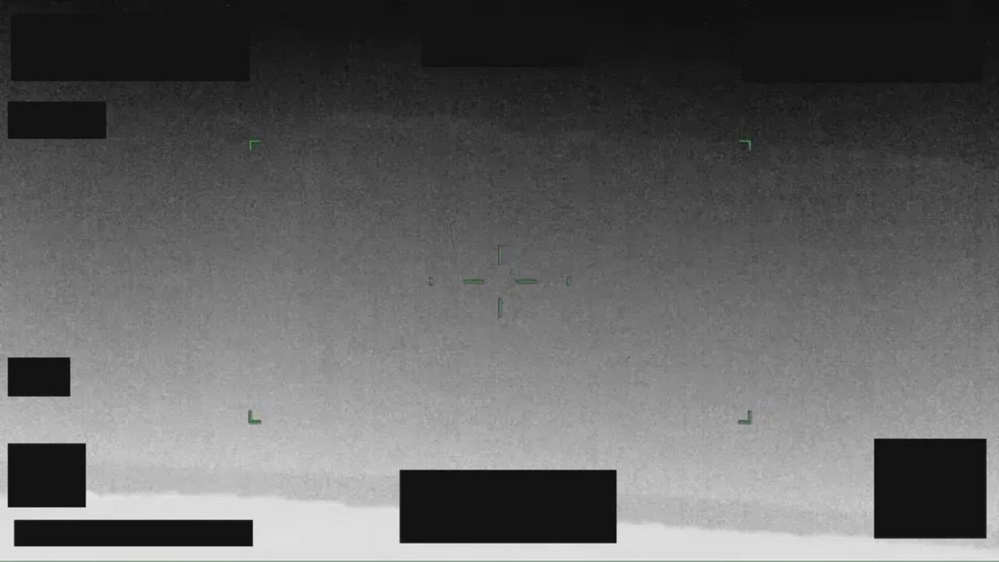
DOW-UAP-PR066 - "USCG C-144 Tyndall UAP 1 TIC TAC IR hot 24 April 2024"
DOW-UAP-PR066 - "USCG C-144 Tyndall UAP 1 TIC TAC IR hot 24 April 2024" is a PURSUE Release 02 video record from Department of War connected to Southeastern United States. AARO assesses that this video is likely derived from an infrared sensor aboard a U.S. Coast Guard platform operating in the Southeastern United States in 2024.
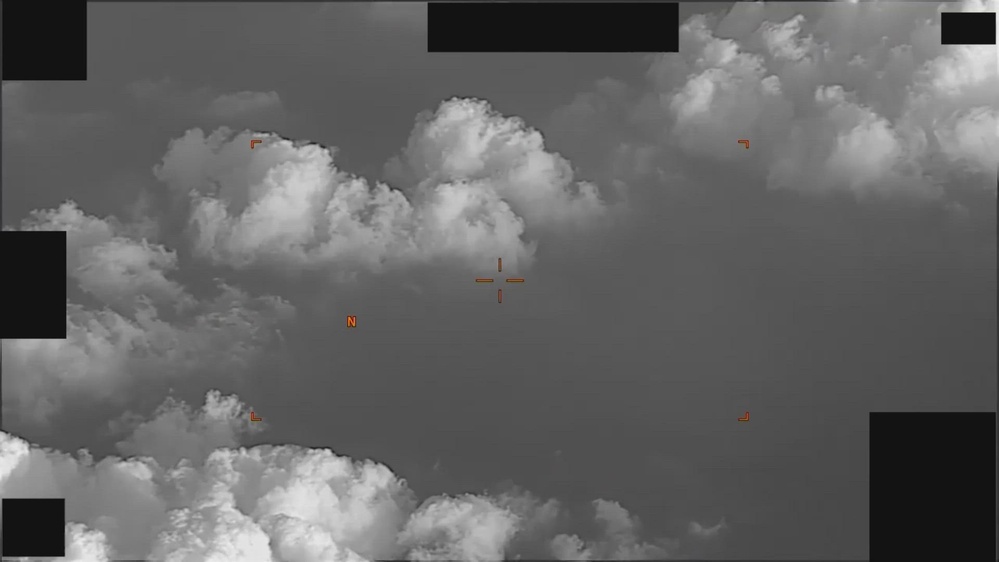
DOW-UAP-PR057a - "Spherical UAP in clouds"
DOW-UAP-PR057a - "Spherical UAP in clouds" is a PURSUE Release 02 video record from Department of War connected to Yellow Sea. AARO assesses that this video, whose uploader-defined title is, 'Spherical UAP in clouds,' is likely derived from an infrared sensor aboard a U.S. military platform operating above the Yellow Sea in January 2023.
DOW-UAP-PR057b - "[Platform] Observes UAP in East China Sea 05 JAN 2023 INDOPACOM"
DOW-UAP-PR057b - "[Platform] Observes UAP in East China Sea 05 JAN 2023 INDOPACOM" is a PURSUE Release 02 video record from Department of War connected to Yellow Sea. AARO assesses that this video is likely derived from an infrared sensor aboard a U.S. military platform operating above the Yellow Sea in January 2023.
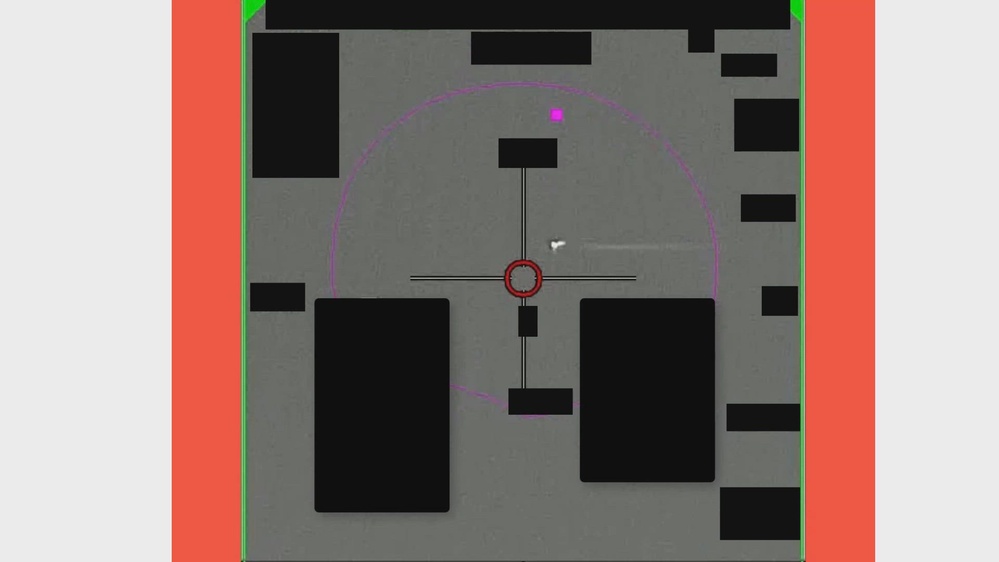
DOW-UAP-PR068 - "IIR 1 666 S0151 23/Video Footage of Unidentified Aerial Phenomenon (UAP) captured by fifth generation aircraft on 20 Jan 23"
DOW-UAP-PR068 - "IIR 1 666 S0151 23/Video Footage of Unidentified Aerial Phenomenon (UAP) captured by fifth generation aircraft on 20 Jan 23" is a PURSUE Release 02 video record from Department of War connected to NORTHCOM. AARO assesses that this video is likely derived from an infrared sensor aboard a U.S. military platform operating within the United States Northern Command area of responsibility in 2023.
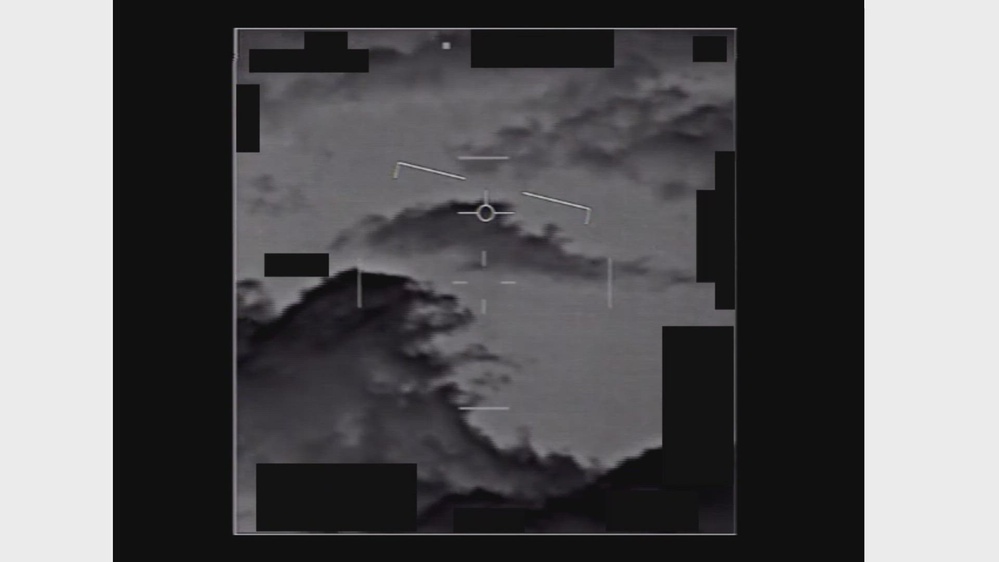
DOW-UAP-PR069 - "F/A-18 FLIR UAP"
DOW-UAP-PR069 - "F/A-18 FLIR UAP" is a PURSUE Release 02 video record from Department of War connected to NORTHCOM. AARO assesses that this video, whose uploader-defined title is, “F/A-18 FLIR UAP,” is likely derived from an infrared sensor aboard a U.S. military platform operating within the United States Northern Command area of responsibility in 2022.
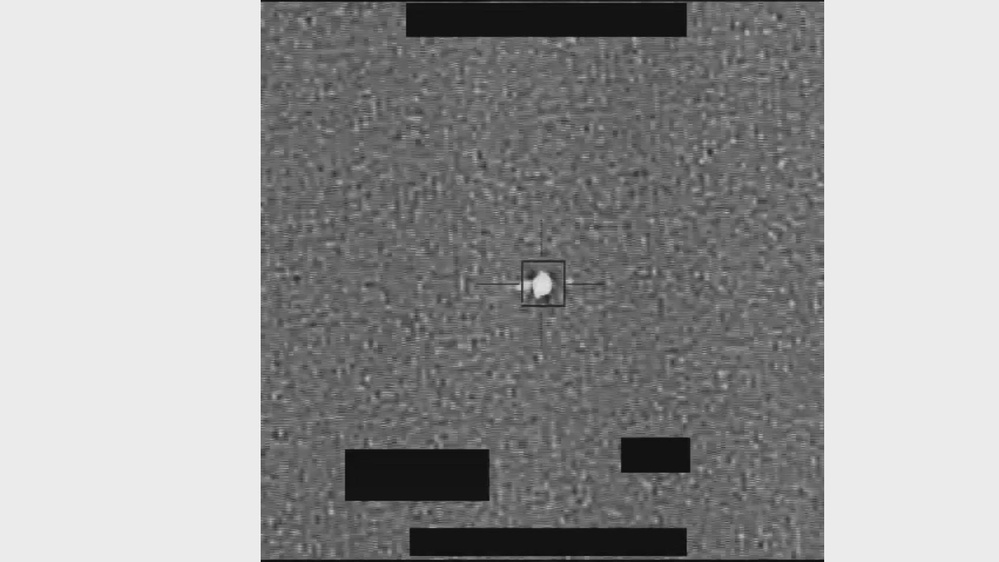
DOW-UAP-PR070 - "IIR 1 655 S0301 23/Eglin AFB Aircrew Observed Unidentified Aerial Phenomena (UAP) on 13 Feb 23"
DOW-UAP-PR070 - "IIR 1 655 S0301 23/Eglin AFB Aircrew Observed Unidentified Aerial Phenomena (UAP) on 13 Feb 23" is a PURSUE Release 02 video record from Department of War connected to Southeastern United States. AARO assesses that this video is likely derived from an infrared sensor aboard a U.S. military platform operating within the United States Northern Command area of responsibility in 2023.
![DOW-UAP-PR071 - "USAF ANG F-16C (callsign [CALLSIGN]) Shoots Down UAP over Lake Huron with [Weapon System], 12 Feb 2023"](https://d1ldvf68ux039x.cloudfront.net/thumbs/frames/video/2605/1007784/DOD_111720731.0000001/1000w_q95.jpg)
DOW-UAP-PR071 - "USAF ANG F-16C (callsign [CALLSIGN]) Shoots Down UAP over Lake Huron with [Weapon System], 12 Feb 2023"
DOW-UAP-PR071 - "USAF ANG F-16C (callsign [CALLSIGN]) Shoots Down UAP over Lake Huron with [Weapon System], 12 Feb 2023" is a PURSUE Release 02 video record from Department of War connected to NORTHCOM. AARO assesses that the video titled 'USAF ANG F-16C (callsign [CALLSIGN]) Shoots Down UAP over Lake Huron with [Weapon System], 12 Feb 2023' is likely derived from an infrared sensor aboard a U.S. military platform.
![DOW-UAP-PR099 - "Hi-Res: [CALLSIGN] Observes UAP on 25SEP19 at 1715Z"](https://d1ldvf68ux039x.cloudfront.net/thumbs/frames/video/2605/1007738/DOD_111719835.0000001/1000w_q95.jpg)
DOW-UAP-PR099 - "Hi-Res: [CALLSIGN] Observes UAP on 25SEP19 at 1715Z"
DOW-UAP-PR099 - "Hi-Res: [CALLSIGN] Observes UAP on 25SEP19 at 1715Z" is a PURSUE Release 02 video record from Department of War connected to CENTCOM. AARO assesses that this video is likely derived from an infrared sensor aboard a U.S. military platform operating within the United States Central Command area of responsibility in 2019.
![DOW-UAP-PR050 - "4 UAP Formation Iran 26 Aug 2022 over water [CALLSIGN]"](https://d1ldvf68ux039x.cloudfront.net/thumbs/frames/video/2605/1007706/DOD_111719709.0000001/1000w_q95.jpg)
DOW-UAP-PR050 - "4 UAP Formation Iran 26 Aug 2022 over water [CALLSIGN]"
DOW-UAP-PR050 - "4 UAP Formation Iran 26 Aug 2022 over water [CALLSIGN]" is a PURSUE Release 02 video record from Department of War connected to CENTCOM. AARO assesses that this video is likely derived from an infrared sensor aboard a U.S. military platform operating within the United States Central Command area of responsibility in 2022.
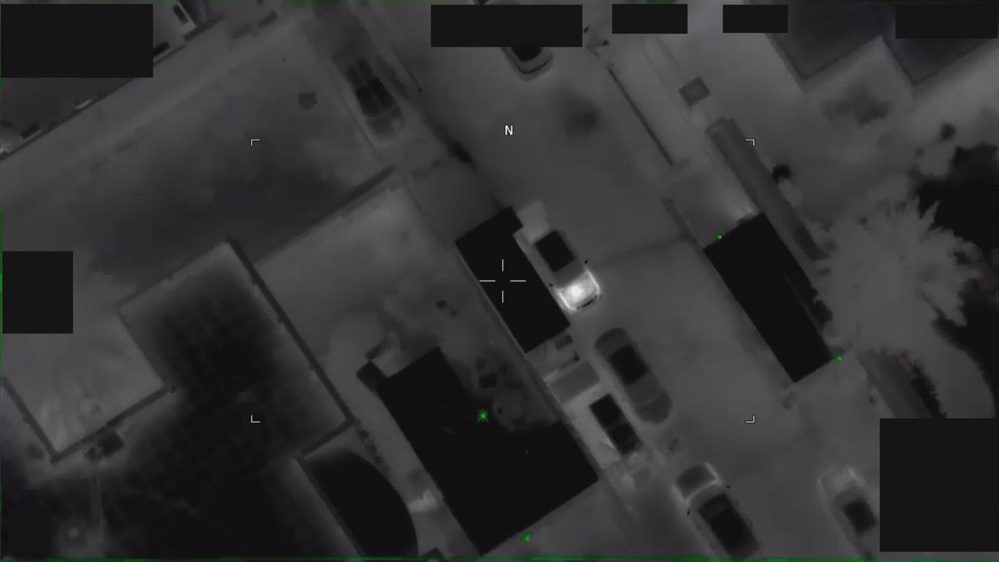
DOW-UAP-PR053 - "Cigar Shaped or Fast Sherical UAP clip 15 OCT 22"
DOW-UAP-PR053 - "Cigar Shaped or Fast Sherical UAP clip 15 OCT 22" is a PURSUE Release 02 video record from Department of War connected to CENTCOM. On March 6, 2026, eight members of the U.S. House of Representatives requested access to 51 potentially UAP-related records allegedly held by the Department of War and the Intelligence Community.
![DOW-UAP-PR054 - "Spherical UAP Erratic movement [CALLSIGN] (Mission) 2022"](https://d1ldvf68ux039x.cloudfront.net/thumbs/frames/video/2605/1007711/DOD_111719726.0000001/1000w_q95.jpg)
DOW-UAP-PR054 - "Spherical UAP Erratic movement [CALLSIGN] (Mission) 2022"
DOW-UAP-PR054 - "Spherical UAP Erratic movement [CALLSIGN] (Mission) 2022" is a PURSUE Release 02 video record from Department of War connected to EUCOM. On March 6, 2026, eight members of the U.S. House of Representatives requested access to 51 potentially UAP-related records allegedly held by the Department of War and the Intelligence Community.
![DOW-UAP-PR067 - "Multiple Spherical UAP USO near Sub. [CALLSIGN] 2022/03/25 in and out of water"](https://d1ldvf68ux039x.cloudfront.net/thumbs/frames/video/2605/1007779/DOD_111720696.0000001/1000w_q95.jpg)
DOW-UAP-PR067 - "Multiple Spherical UAP USO near Sub. [CALLSIGN] 2022/03/25 in and out of water"
DOW-UAP-PR067 - "Multiple Spherical UAP USO near Sub. [CALLSIGN] 2022/03/25 in and out of water" is a PURSUE Release 02 video record from Department of War. AARO assesses that this video is likely derived from an infrared sensor aboard a U.S. military platform.
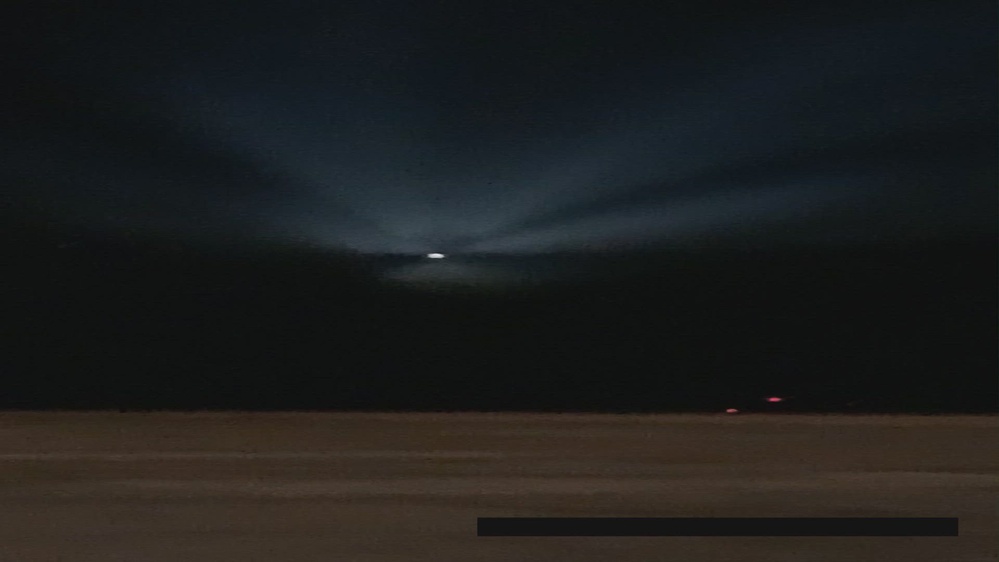
DOW-UAP-PR072 - "ADMINISTRATIVE REVISION: IIR 1777 J0032 22 Kazakhstan - UAP in the vicinity of Karaganda International Airport"
DOW-UAP-PR072 - "ADMINISTRATIVE REVISION: IIR 1777 J0032 22 Kazakhstan - UAP in the vicinity of Karaganda International Airport" is a PURSUE Release 02 video record from Department of War connected to Kazakhstan. AARO assesses that this video is likely derived from a commercially available cellular device’s rear-facing camera in March 2022.

DOW-UAP-PR073 - IIR 1 655 S0053 23/Several Unidentified Aerial Phenomenon Encountered In The Vicinity of Columbus OH"
DOW-UAP-PR073 - IIR 1 655 S0053 23/Several Unidentified Aerial Phenomenon Encountered In The Vicinity of Columbus OH" is a PURSUE Release 02 video record from Department of War connected to Midwestern United States. AARO assesses that the video titled 'IIR 1 655 S0053 23/Several Unidentified Aerial Phenomenon Encountered In The Vicinity of Columbus OH' is likely derived from an infrared sensor aboard a U.S. military platform.
![DOW-UAP-PR074 - "[CALLSIGN] (Mission)HD_20220613"](https://d1ldvf68ux039x.cloudfront.net/thumbs/frames/video/2605/1007791/DOD_111720775.0000001/1000w_q95.jpg)
DOW-UAP-PR074 - "[CALLSIGN] (Mission)HD_20220613"
DOW-UAP-PR074 - "[CALLSIGN] (Mission)HD_20220613" is a PURSUE Release 02 video record from Department of War connected to CENTCOM. AARO assesses that this video, whose uploader-defined title is, '[CALLSIGN] (Mission) HD_20220613,' is likely derived from an infrared sensor aboard a U.S. military platform operating in the United States Central Command area of responsibility in June 2022.
DOW-UAP-PR051 - "Syrian UAP instant acceleration"
DOW-UAP-PR051 - "Syrian UAP instant acceleration" is a PURSUE Release 02 video record from Department of War connected to CENTCOM. On March 6, 2026, eight members of the U.S. House of Representatives requested access to 51 potentially UAP-related records allegedly held by the Department of War and the Intelligence Community.
![DOW-UAP-PR060 - "Spherical UAP [CALLSIGN] 2021/04/12 obj 2"](https://d1ldvf68ux039x.cloudfront.net/thumbs/frames/video/2605/1007734/DOD_111719823.0000001/1000w_q95.jpg)
DOW-UAP-PR060 - "Spherical UAP [CALLSIGN] 2021/04/12 obj 2"
DOW-UAP-PR060 - "Spherical UAP [CALLSIGN] 2021/04/12 obj 2" is a PURSUE Release 02 video record from Department of War connected to CENTCOM. AARO assesses that the video titled 'Spherical UAP [CALLSIGN] 2021/04/12 obj 2' is likely derived from a full-motion video camera and an infrared sensor aboard a U.S. military platform operating within the United States Central Command area of responsibility in 2021.
![DOW-UAP-PR061 - "Spherical UAP [CALLSIGN] 2021/04/12 vid 0"](https://d1ldvf68ux039x.cloudfront.net/thumbs/frames/video/2605/1007735/DOD_111719828.0000001/1000w_q95.jpg)
DOW-UAP-PR061 - "Spherical UAP [CALLSIGN] 2021/04/12 vid 0"
DOW-UAP-PR061 - "Spherical UAP [CALLSIGN] 2021/04/12 vid 0" is a PURSUE Release 02 video record from Department of War connected to CENTCOM. On March 6, 2026, eight members of the U.S. House of Representatives requested access to 51 potentially UAP-related records allegedly held by the Department of War and the Intelligence Community.
![DOW-UAP-PR062 - "Spherical UAP [CALLSIGN] 2021/04/12 vid 1"](https://d1ldvf68ux039x.cloudfront.net/thumbs/frames/video/2605/1007739/DOD_111719847.0000001/1000w_q95.jpg)
DOW-UAP-PR062 - "Spherical UAP [CALLSIGN] 2021/04/12 vid 1"
DOW-UAP-PR062 - "Spherical UAP [CALLSIGN] 2021/04/12 vid 1" is a PURSUE Release 02 video record from Department of War connected to CENTCOM. AARO assesses that this video is likely derived from a color and infrared sensor aboard a U.S. military platform operating within the United States Central Command area of responsibility in 2021.
![DOW-UAP-PR063 - "Spherical UAP [CALLSIGN] 2021/04/12 vid 2"](https://d1ldvf68ux039x.cloudfront.net/thumbs/frames/video/2605/1007740/DOD_111719850.0000001/1000w_q95.jpg)
DOW-UAP-PR063 - "Spherical UAP [CALLSIGN] 2021/04/12 vid 2"
DOW-UAP-PR063 - "Spherical UAP [CALLSIGN] 2021/04/12 vid 2" is a PURSUE Release 02 video record from Department of War connected to CENTCOM. AARO assesses that the video titled 'Spherical UAP [CALLSIGN] 2021/04/12 vid 2' is likely derived from a full-motion video camera and an infrared sensor aboard a U.S. military platform operating within the United States Central Command area of responsibility in 2021.
![DOW-UAP-PR075 - "09JUN2021 [Platform] observed UAP in the ECS"](https://d1ldvf68ux039x.cloudfront.net/thumbs/frames/video/2605/1007795/DOD_111720809.0000001/1000w_q95.jpg)
DOW-UAP-PR075 - "09JUN2021 [Platform] observed UAP in the ECS"
DOW-UAP-PR075 - "09JUN2021 [Platform] observed UAP in the ECS" is a PURSUE Release 02 video record from Department of War connected to East China Sea. AARO assesses that this video is likely derived from an infrared sensor aboard a U.S. military platform operating above the East China Sea in 2021.
![DOW-UAP-PR076 - "03 January 2021 [CALLSIGN] (Mission) observes UAP"](https://d1ldvf68ux039x.cloudfront.net/thumbs/frames/video/2605/1007804/DOD_111720857.0000001/1000w_q95.jpg)
DOW-UAP-PR076 - "03 January 2021 [CALLSIGN] (Mission) observes UAP"
DOW-UAP-PR076 - "03 January 2021 [CALLSIGN] (Mission) observes UAP" is a PURSUE Release 02 video record from Department of War connected to CENTCOM. On March 6, 2026, eight members of the U.S. House of Representatives requested access to 51 potentially UAP-related records allegedly held by the Department of War and the Intelligence Community.
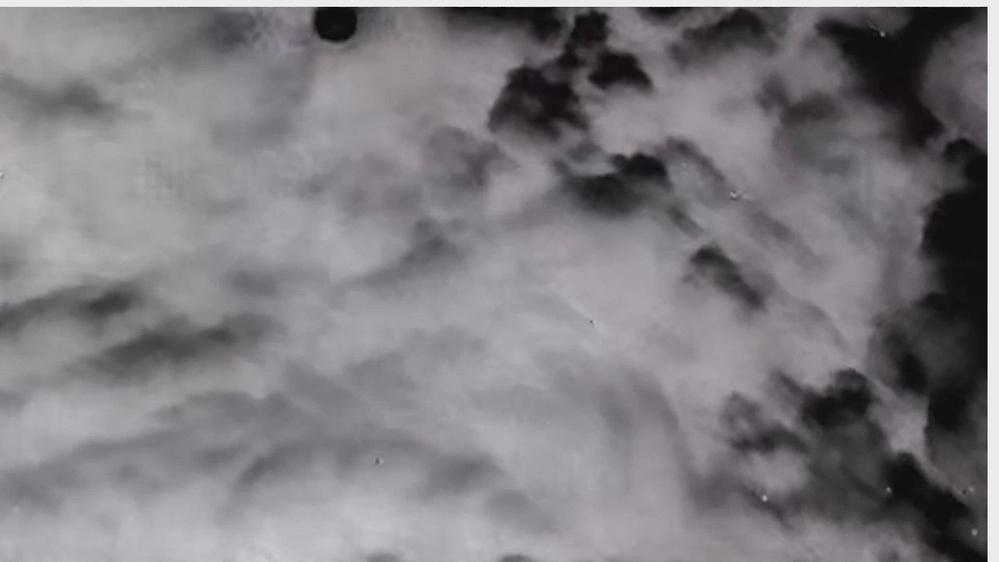
DOW-UAP-PR055 - "Spherical UAP over AFG in and out of clouds 23 Nov 2020"
DOW-UAP-PR055 - "Spherical UAP over AFG in and out of clouds 23 Nov 2020" is a PURSUE Release 02 video record from Department of War connected to CENTCOM. AARO assesses that this video is likely derived from an infrared sensor aboard a U.S. military platform operating in the United States Central Command area of responsibility in November 2020.
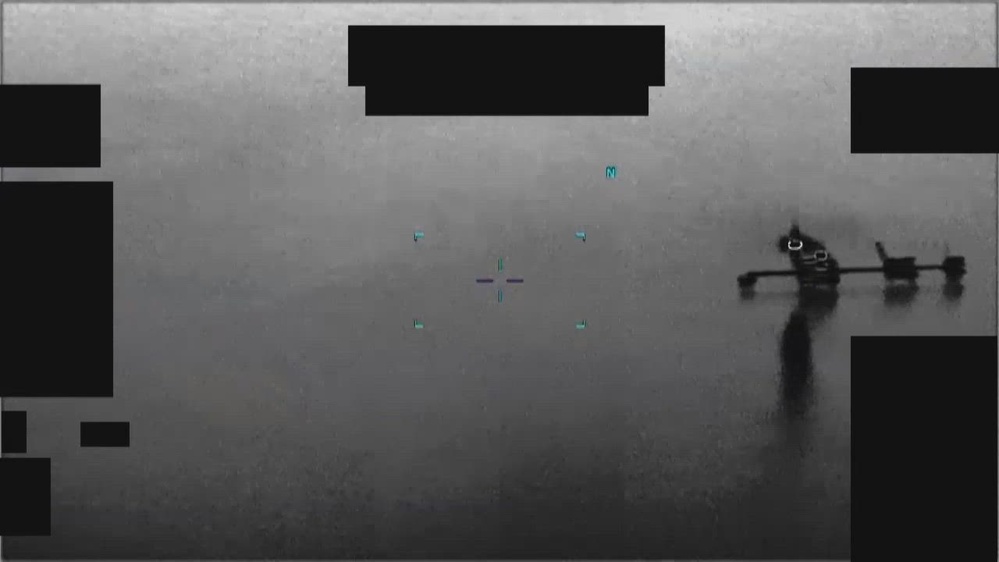
DOW-UAP-PR059 - "NAG UAP 1 Jun 20"
DOW-UAP-PR059 - "NAG UAP 1 Jun 20" is a PURSUE Release 02 video record from Department of War connected to CENTCOM. AARO assesses that this video, whose uploader-defined title is, 'NAG UAP 1 Jun 20,' is likely derived from an infrared sensor aboard a U.S. military platform operating within the United States Central Command area of responsibility in 2020.
![DOW-UAP-PR077 - "2 November 2020 [CALLSIGN] [CALLSIGN] Observes and tracks UAP 1 of 2"](https://d1ldvf68ux039x.cloudfront.net/thumbs/frames/video/2605/1007809/DOD_111720884.0000001/1000w_q95.jpg)
DOW-UAP-PR077 - "2 November 2020 [CALLSIGN] [CALLSIGN] Observes and tracks UAP 1 of 2"
DOW-UAP-PR077 - "2 November 2020 [CALLSIGN] [CALLSIGN] Observes and tracks UAP 1 of 2" is a PURSUE Release 02 video record from Department of War connected to CENTCOM. AARO assesses that this video is likely derived from an infrared sensor aboard a U.S. military platform operating within the United States Central Command area of responsibility in November 2020.
![DOW-UAP-PR078 - "2 November 2020 [CALLSIGN] [CALLSIGN] Observes and tracks UAP 2 of 2"](https://d1ldvf68ux039x.cloudfront.net/thumbs/frames/video/2605/1007812/DOD_111720890.0000001/1000w_q95.jpg)
DOW-UAP-PR078 - "2 November 2020 [CALLSIGN] [CALLSIGN] Observes and tracks UAP 2 of 2"
DOW-UAP-PR078 - "2 November 2020 [CALLSIGN] [CALLSIGN] Observes and tracks UAP 2 of 2" is a PURSUE Release 02 video record from Department of War connected to CENTCOM. AARO assesses that this video is likely derived from an infrared sensor aboard a U.S. military platform operating within the United States Central Command area of responsibility in November 2020.
![DOW-UAP-PR079 - "29 October 2020 [CALLSIGN] (Mission) observes 3 fast moving UAP's"](https://d1ldvf68ux039x.cloudfront.net/thumbs/frames/video/2605/1007816/DOD_111720899.0000001/1000w_q95.jpg)
DOW-UAP-PR079 - "29 October 2020 [CALLSIGN] (Mission) observes 3 fast moving UAP's"
DOW-UAP-PR079 - "29 October 2020 [CALLSIGN] (Mission) observes 3 fast moving UAP's" is a PURSUE Release 02 video record from Department of War connected to CENTCOM. AARO assesses that this video is likely derived from an infrared sensor aboard a U.S. military platform operating within the United States Central Command area of responsibility in October 2020.
![DOW-UAP-PR080 - "20 October 2020 [CALLSIGN] [CALLSIGN] Observes UAP"](https://d1ldvf68ux039x.cloudfront.net/thumbs/frames/video/2605/1007803/DOD_111720856.0000006/1000w_q95.jpg)
DOW-UAP-PR080 - "20 October 2020 [CALLSIGN] [CALLSIGN] Observes UAP"
DOW-UAP-PR080 - "20 October 2020 [CALLSIGN] [CALLSIGN] Observes UAP" is a PURSUE Release 02 video record from Department of War connected to CENTCOM. AARO assesses that the video titled '20 October 2020 [CALLSIGN] [CALLSIGN] Observes UAP' is likely derived from an infrared sensor aboard a U.S. military platform operating within the United States Central Command area of responsibility in 2020.
![DOW-UAP-PR081 - "18 Oct 2020 [CALLSIGN] observes UAP"](https://d1ldvf68ux039x.cloudfront.net/thumbs/frames/video/2605/1007805/DOD_111720858.0000001/1000w_q95.jpg)
DOW-UAP-PR081 - "18 Oct 2020 [CALLSIGN] observes UAP"
DOW-UAP-PR081 - "18 Oct 2020 [CALLSIGN] observes UAP" is a PURSUE Release 02 video record from Department of War connected to AFRICOM. AARO assesses that this video is likely derived from an infrared sensor aboard a U.S. military platform operating within the United States Africa Command area of responsibility in 2020.
![DOW-UAP-PR082 - "16 OCT 2020 [CALLSIGN] views UAP"](https://d1ldvf68ux039x.cloudfront.net/thumbs/frames/video/2605/1007807/DOD_111720861.0000001/1000w_q95.jpg)
DOW-UAP-PR082 - "16 OCT 2020 [CALLSIGN] views UAP"
DOW-UAP-PR082 - "16 OCT 2020 [CALLSIGN] views UAP" is a PURSUE Release 02 video record from Department of War connected to AFRICOM. AARO assesses that this video is likely derived from an infrared sensor aboard a U.S. military platform operating within the United States Africa Command area of responsibility in 2020.
![DOW-UAP-PR083 - "7 October 2020 [CALLSIGN] observes UAP"](https://d1ldvf68ux039x.cloudfront.net/thumbs/frames/video/2605/1007808/DOD_111720883.0000001/1000w_q95.jpg)
DOW-UAP-PR083 - "7 October 2020 [CALLSIGN] observes UAP"
DOW-UAP-PR083 - "7 October 2020 [CALLSIGN] observes UAP" is a PURSUE Release 02 video record from Department of War connected to CENTCOM. AARO assesses that the video titled '7 October 2020 [CALLSIGN] observes UAP' is likely derived from an infrared sensor aboard a U.S. military platform operating within the United States Central Command area of responsibility in October 2020.
![DOW-UAP-PR084 - "17 Sept 2020 [CALLSIGN] observes UAP"](https://d1ldvf68ux039x.cloudfront.net/thumbs/frames/video/2605/1007810/DOD_111720886.0000001/1000w_q95.jpg)
DOW-UAP-PR084 - "17 Sept 2020 [CALLSIGN] observes UAP"
DOW-UAP-PR084 - "17 Sept 2020 [CALLSIGN] observes UAP" is a PURSUE Release 02 video record from Department of War connected to CENTCOM. AARO assesses that this video is likely derived from a full-motion video camera aboard a U.S. military platform operating within the United States Central Command area of responsibility in 2020.
![DOW-UAP-PR085 - "16 Sept 2020 [CALLSIGN] [CALLSIGN] observes UAP"](https://d1ldvf68ux039x.cloudfront.net/thumbs/frames/video/2605/1007796/DOD_111720822.0000001/1000w_q95.jpg)
DOW-UAP-PR085 - "16 Sept 2020 [CALLSIGN] [CALLSIGN] observes UAP"
DOW-UAP-PR085 - "16 Sept 2020 [CALLSIGN] [CALLSIGN] observes UAP" is a PURSUE Release 02 video record from Department of War connected to CENTCOM. AARO assesses that this video is likely derived from a full-motion video camera aboard a U.S. military platform operating within the United States Central Command area of responsibility in 2020.
![DOW-UAP-PR087 - "05 September 2020 [CALLSIGN] UAP"](https://d1ldvf68ux039x.cloudfront.net/thumbs/frames/video/2605/1007799/DOD_111720830.0000001/1000w_q95.jpg)
DOW-UAP-PR087 - "05 September 2020 [CALLSIGN] UAP"
DOW-UAP-PR087 - "05 September 2020 [CALLSIGN] UAP" is a PURSUE Release 02 video record from Department of War connected to CENTCOM. AARO assesses that this video, whose uploader-defined title is, '05 September 2020 [CALLSIGN] UAP,' is likely derived from an infrared sensor aboard a U.S. military platform operating within the United States Central Command area of responsibility in 2020.
![DOW-UAP-PR088 - "31 AUG [CALLSIGN] [CALLSIGN] Observes UAP"](https://d1ldvf68ux039x.cloudfront.net/thumbs/frames/video/2605/1007800/DOD_111720843.0000001/1000w_q95.jpg)
DOW-UAP-PR088 - "31 AUG [CALLSIGN] [CALLSIGN] Observes UAP"
DOW-UAP-PR088 - "31 AUG [CALLSIGN] [CALLSIGN] Observes UAP" is a PURSUE Release 02 video record from Department of War connected to CENTCOM. AARO assesses that this video is likely derived from an infrared sensor aboard a U.S. military platform operating within the United States Central Command area of responsibility in 2020.
![DOW-UAP-PR089 - "31 AUG [CALLSIGN] [CALLSIGN] Observes UAP part2"](https://d1ldvf68ux039x.cloudfront.net/thumbs/frames/video/2605/1007712/DOD_111719730.0000001/1000w_q95.jpg)
DOW-UAP-PR089 - "31 AUG [CALLSIGN] [CALLSIGN] Observes UAP part2"
DOW-UAP-PR089 - "31 AUG [CALLSIGN] [CALLSIGN] Observes UAP part2" is a PURSUE Release 02 video record from Department of War connected to CENTCOM. AARO assesses that this video is likely derived from an infrared sensor aboard a U.S. military platform operating within the United States Central Command area of responsibility in 2020.
![DOW-UAP-PR090 - "24 AUG 2020 [CALLSIGN] (Mission) Observes UAP"](https://d1ldvf68ux039x.cloudfront.net/thumbs/frames/video/2605/1007719/DOD_111719746.0000001/1000w_q95.jpg)
DOW-UAP-PR090 - "24 AUG 2020 [CALLSIGN] (Mission) Observes UAP"
DOW-UAP-PR090 - "24 AUG 2020 [CALLSIGN] (Mission) Observes UAP" is a PURSUE Release 02 video record from Department of War connected to CENTCOM. AARO assesses that the video titled '24 AUG 2020 [CALLSIGN] (Mission) Observes UAP' is likely derived from an infrared sensor aboard a U.S. military platform operating within the United States Central Command area of responsibility in 2020.
![DOW-UAP-PR091 - "21 AUG [CALLSIGN] Observes UAP in Persian Gulf"](https://d1ldvf68ux039x.cloudfront.net/thumbs/frames/video/2605/1007716/DOD_111719739.0000001/1000w_q95.jpg)
DOW-UAP-PR091 - "21 AUG [CALLSIGN] Observes UAP in Persian Gulf"
DOW-UAP-PR091 - "21 AUG [CALLSIGN] Observes UAP in Persian Gulf" is a PURSUE Release 02 video record from Department of War connected to CENTCOM. On March 6, 2026, eight members of the U.S. House of Representatives requested access to 51 potentially UAP-related records allegedly held by the Department of War and the Intelligence Community.
![DOW-UAP-PR092 - "08 AUG 2020 [CALLSIGN] [CALLSIGN] UAP observation"](https://d1ldvf68ux039x.cloudfront.net/thumbs/frames/video/2605/1007715/DOD_111719736.0000001/1000w_q95.jpg)
DOW-UAP-PR092 - "08 AUG 2020 [CALLSIGN] [CALLSIGN] UAP observation"
DOW-UAP-PR092 - "08 AUG 2020 [CALLSIGN] [CALLSIGN] UAP observation" is a PURSUE Release 02 video record from Department of War connected to CENTCOM. AARO assesses that this video is likely derived from an infrared sensor aboard a U.S. military platform operating within the United States Central Command area of responsibility in 2020.
![DOW-UAP-PR093 - "May 05 2020 Gulf of Arabia [CALLSIGN] (Platform) Dual UAP"](https://d1ldvf68ux039x.cloudfront.net/thumbs/frames/video/2605/1007721/DOD_111719795.0000001/1000w_q95.jpg)
DOW-UAP-PR093 - "May 05 2020 Gulf of Arabia [CALLSIGN] (Platform) Dual UAP"
DOW-UAP-PR093 - "May 05 2020 Gulf of Arabia [CALLSIGN] (Platform) Dual UAP" is a PURSUE Release 02 video record from Department of War connected to CENTCOM. AARO assesses that this video is likely derived from an infrared sensor aboard a U.S. military platform operating within the United States Central Command area of responsibility in 2020.
![DOW-UAP-PR094 - "[CALLSIGN] (Mission) - HD 2020-02-13"](https://d1ldvf68ux039x.cloudfront.net/thumbs/frames/video/2605/1007722/DOD_111719799.0000001/1000w_q95.jpg)
DOW-UAP-PR094 - "[CALLSIGN] (Mission) - HD 2020-02-13"
DOW-UAP-PR094 - "[CALLSIGN] (Mission) - HD 2020-02-13" is a PURSUE Release 02 video record from Department of War connected to CENTCOM. On March 6, 2026, eight members of the U.S. House of Representatives requested access to 51 potentially UAP-related records allegedly held by the Department of War and the Intelligence Community.
![DOW-UAP-PR095 - "May 05 2020 Gulf of Arabia [CALLSIGN] (Platform) Dual UAP"](https://d1ldvf68ux039x.cloudfront.net/thumbs/frames/video/2605/1007725/DOD_111719804.0000001/1000w_q95.jpg)
DOW-UAP-PR095 - "May 05 2020 Gulf of Arabia [CALLSIGN] (Platform) Dual UAP"
DOW-UAP-PR095 - "May 05 2020 Gulf of Arabia [CALLSIGN] (Platform) Dual UAP" is a PURSUE Release 02 video record from Department of War connected to CENTCOM. AARO assesses that this video is likely derived from an infrared sensor aboard a U.S. military platform operating within the United States Central Command area of responsibility in 2020.
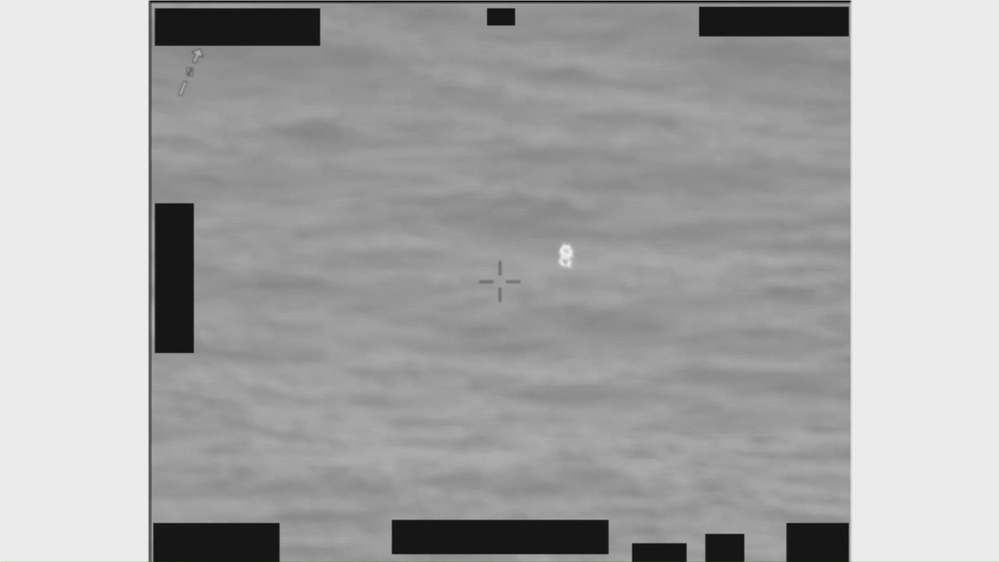
DOW-UAP-PR086 - "UAP from Dec 2019 (East Coast)"
DOW-UAP-PR086 - "UAP from Dec 2019 (East Coast)" is a PURSUE Release 02 video record from Department of War connected to NORTHCOM. AARO assesses that this video, whose uploader-defined title is, “UAP from Dec 2019 (East Coast),” is likely derived from an infrared sensor aboard a U.S. military platform operating within the United States Northern Command area of responsibility in 2019.
![DOW-UAP-PR097 - "Hi-Res: [CALLSIGN] Observes UAP on 25SEP19 at 2135Z"](https://d1ldvf68ux039x.cloudfront.net/thumbs/frames/video/2605/1007728/DOD_111719813.0000001/1000w_q95.jpg)
DOW-UAP-PR097 - "Hi-Res: [CALLSIGN] Observes UAP on 25SEP19 at 2135Z"
DOW-UAP-PR097 - "Hi-Res: [CALLSIGN] Observes UAP on 25SEP19 at 2135Z" is a PURSUE Release 02 video record from Department of War connected to CENTCOM. AARO assesses that this video is likely derived from an infrared sensor aboard a U.S. military platform operating within the United States Central Command area of responsibility in 2019.
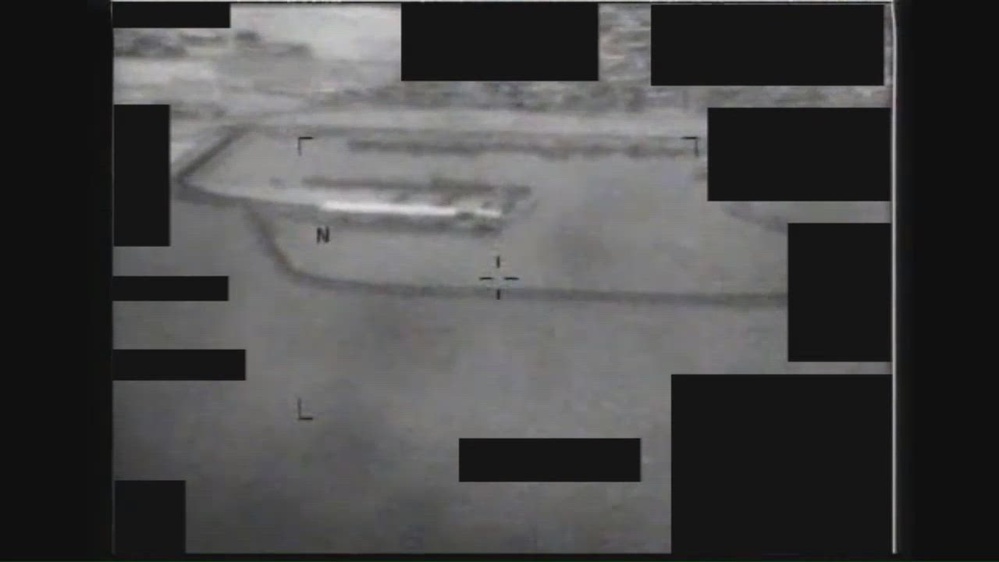
DOW-UAP-PR098 - "UFOs in formation over Persian Gulf?"
DOW-UAP-PR098 - "UFOs in formation over Persian Gulf?" is a PURSUE Release 02 video record from Department of War connected to CENTCOM. AARO assesses that this video, whose uploader-defined title is, 'UFOs in formation over Persian Gulf?' is likely derived from an infrared sensor aboard a U.S. military platform operating within the United States Central Command area of responsibility.
DOW-UAP-PR096 - "HH11 03 July 2018 UAPs"
DOW-UAP-PR096 - "HH11 03 July 2018 UAPs" is a PURSUE Release 02 video record from Department of War connected to CENTCOM. A user uploaded the video to a classified network in July 2020.
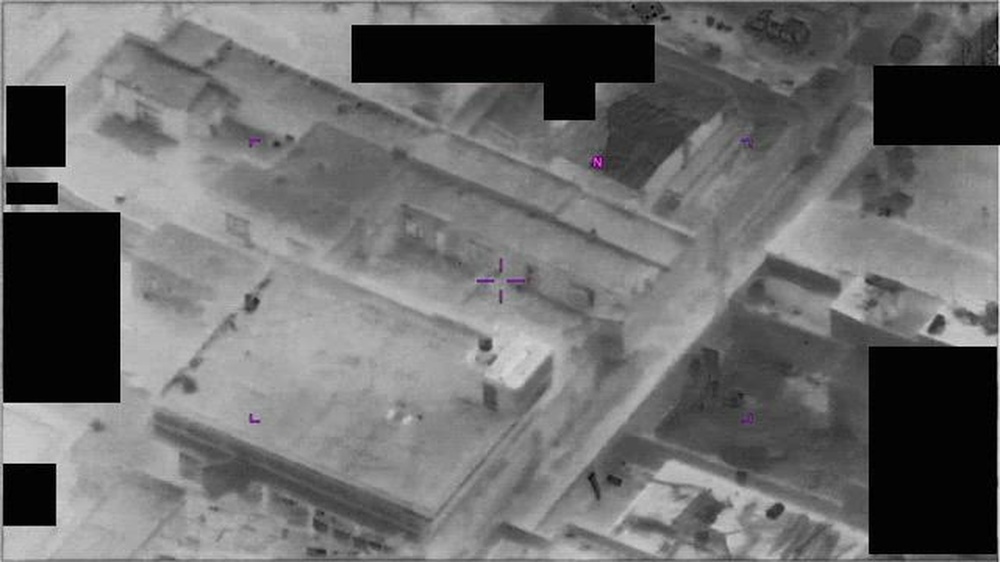
DOW-UAP-PR064 - "AFSOC Kabul UAP Jul 2017"
DOW-UAP-PR064 - "AFSOC Kabul UAP Jul 2017" is a PURSUE Release 02 video record from Department of War connected to CENTCOM. AARO assesses that the video titled 'AFSOC Kabul UAP Jul 2017' is likely derived from an infrared sensor aboard a U.S. military platform.
DOE-UAP-D003 - Pajarito Astronomers Invitation, 1986
DOE-UAP-D003 - Pajarito Astronomers Invitation, 1986 is a PURSUE Release 02 document from Department of Energy connected to New Mexico. The topic of Dr. John Warren's presentation is 'Why Should a Scientist be Concerned about UFOs?'
CIA-UAP-D001 - Intelligence Information Report, USSR, 1973
CIA-UAP-D001 - Intelligence Information Report, USSR, 1973 is a PURSUE Release 02 document from Central Intelligence Agency connected to USSR. Source observed an airborne, luminous, bright green, unidentified object in late summer 1973.
NASA-UAP-D009 - Apollo 17 Audio Excerpt, December 7, 1972
NASA-UAP-D009 - Apollo 17 Audio Excerpt, December 7, 1972 is a PURSUE Release 02 audio recording from NASA connected to Cislunar Space. Apollo 17 Commander Gene Cernan, Lunar Module Pilot Harrison Schmitt, and Command Module Pilot Ronald Evans report seeing small lights outside the Apollo spacecraft during transit to the moon.
NASA-UAP-D008 - Apollo 12 Medical Debriefing - Tape 12, 1969
NASA-UAP-D008 - Apollo 12 Medical Debriefing - Tape 12, 1969 is a PURSUE Release 02 audio recording from NASA connected to Texas. Commander Charles “Pete” Conrad, Command Module Pilot Richard “Dick” F. Gordon, and Lunar Module Pilot Alan L. Bean described their observations of instances of light flashes or 'streaks of lights' during the Apollo 12 mission.
NASA-UAP-D010 - Mercury Atlas 9 Audio Excerpt, May 15, 1963
NASA-UAP-D010 - Mercury Atlas 9 Audio Excerpt, May 15, 1963 is a PURSUE Release 02 audio recording from NASA connected to Low Earth Orbit. NASA determined that the 'fireflies' seen by L. Gordon Cooper Jr. during the Mercury-Atlas 9 mission are attributable to frozen condensation separating from the spacecraft body.
NASA-UAP-D011 - Mercury Atlas 9 Audio Excerpt, May 15, 1963
NASA-UAP-D011 - Mercury Atlas 9 Audio Excerpt, May 15, 1963 is a PURSUE Release 02 audio recording from NASA connected to Low Earth Orbit. Cooper describes small, luminous, brilliant white particles drifting away from the spacecraft as he approaches sunrise.
NASA-UAP-D012 - Mercury Atlas 8 Audio Excerpt, October 3, 1962
NASA-UAP-D012 - Mercury Atlas 8 Audio Excerpt, October 3, 1962 is a PURSUE Release 02 audio recording from NASA connected to Low Earth Orbit. During the Mercury Atlas 8 mission, Sigma 7 pilot Walter M. “Wally” Schirra Jr. describes observing 'little white objects that tend to come from the capsule itself and drift off.'
NASA-UAP-D013 - Mercury Atlas 7, May 24, 1962
NASA-UAP-D013 - Mercury Atlas 7, May 24, 1962 is a PURSUE Release 02 audio recording from NASA connected to Low Earth Orbit. Scott Carpenter describes white particles in view that appear to move at 'random' and 'look exactly like snowflakes.'
NASA-UAP-D014 - Mercury-Redstone 4, July 21, 1961
NASA-UAP-D014 - Mercury-Redstone 4, July 21, 1961 is a PURSUE Release 02 audio recording from NASA connected to North Atlantic Ocean. The recovery team of Mercury-Redstone 4 discussed a dye pack in the water that did not activate.
DOW-UAP-D017 - UAP Reported at Sandia Base, 1948-1950
DOW-UAP-D017 - UAP Reported at Sandia Base, 1948-1950 is a PURSUE Release 02 document from Department of War connected to New Mexico. 209 sightings of 'green orbs,' 'discs,' and 'fireballs' were reported near Sandia Base from 1948-1950.
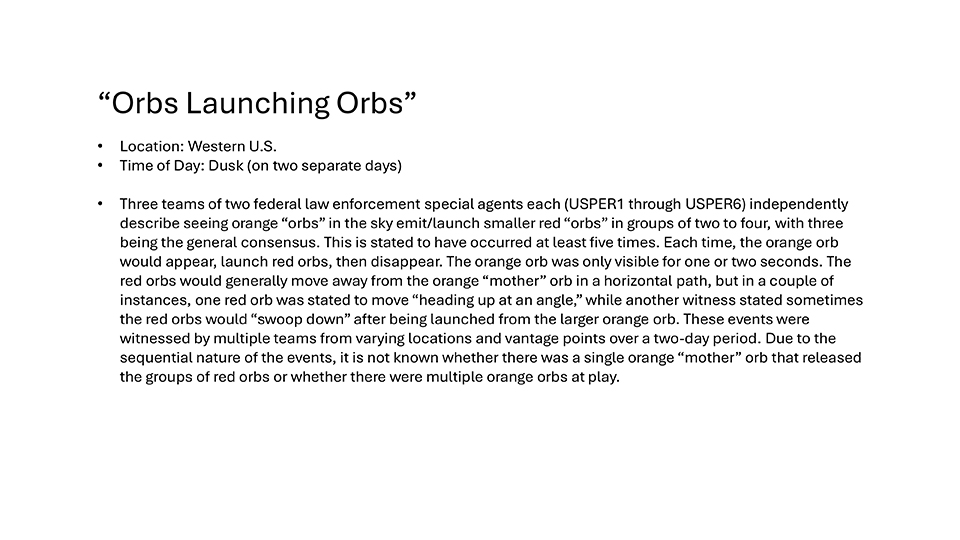
"Orbs Launching Orbs" — Western US Event, May 8, 2026
Three teams of federal law enforcement special agents independently observed orange "orbs" launching smaller red "orbs" over the Western United States at dusk over two separate days. The events were witnessed by multiple teams from varying locations.
DOW-UAP-PR28 — Unresolved UAP Report, Greece January 2024
Department of War PR28 unresolved UAP report video from Greece in January 2024. The record is useful for readers searching UAPPR28 or PR28, but the public page should be treated as a video source entry, not a complete case file.
DOW-UAP-PR46 — Unresolved UAP Report, INDOPACOM 2024
Department of War PR46 unresolved UAP report video from INDOPACOM in 2024. The public record provides the video file and source metadata, while radar, platform details, and assessment context remain outside this page.

FBI File 65-HS1-834228961 — 62-HQ-83894 Section 1
FBI case-file record 65-HS1-834228961, 62-HQ-83894 Section 1. This page indexes the public image file and connects it to neighboring sections, serials, and FBI UAP evidence records.

FBI File 65-HS1-834228961 — 62-HQ-83894 Section 10
Folder cover for Section 10 (Serials 448 onward) of FBI Headquarters file 62-HQ-83894, the file number under which the FBI kept its UFO records. The image shows the envelope, not the case pages: a barcode label marked OPEN, several "Copied for FOIPA" stamps from the 1970s, a handwritten note for Serial 449 and a "Use Care in Handling This File" warning.
FBI File 65-HS1-834228961 — 62-HQ-83894 Section 2
FBI case-file record 65-HS1-834228961, 62-HQ-83894 Section 2. The record includes an image file and PDF, making it a stronger source page for readers searching the 65-HS1 / 62-HQ-83894 file series.

FBI File 65-HS1-834228961 — 62-HQ-83894 Section 7
Folder cover for Section 7 (Serials 302 to 343) of FBI Headquarters file 62-HQ-83894, the file number under which the FBI kept its UFO records. The image shows the envelope, not the case pages: a Central Records Center barcode label, several "Copied for FOIPA" stamps from the 1970s, a "Do Not Destroy" marking and FOIPA number 993087.

FBI File 65-HS1-834228961 — 62-HQ-83894 Section 8
Folder cover for Section 8 (Serials 344 to 384) of FBI Headquarters file 62-HQ-83894, the file number under which the FBI kept its UFO records. The image shows the envelope, not the case pages: a barcode label, "Copied for FOIPA" stamps dated 1976 to 1979, two "Do Not Destroy" stamps and FOIPA number 993087.
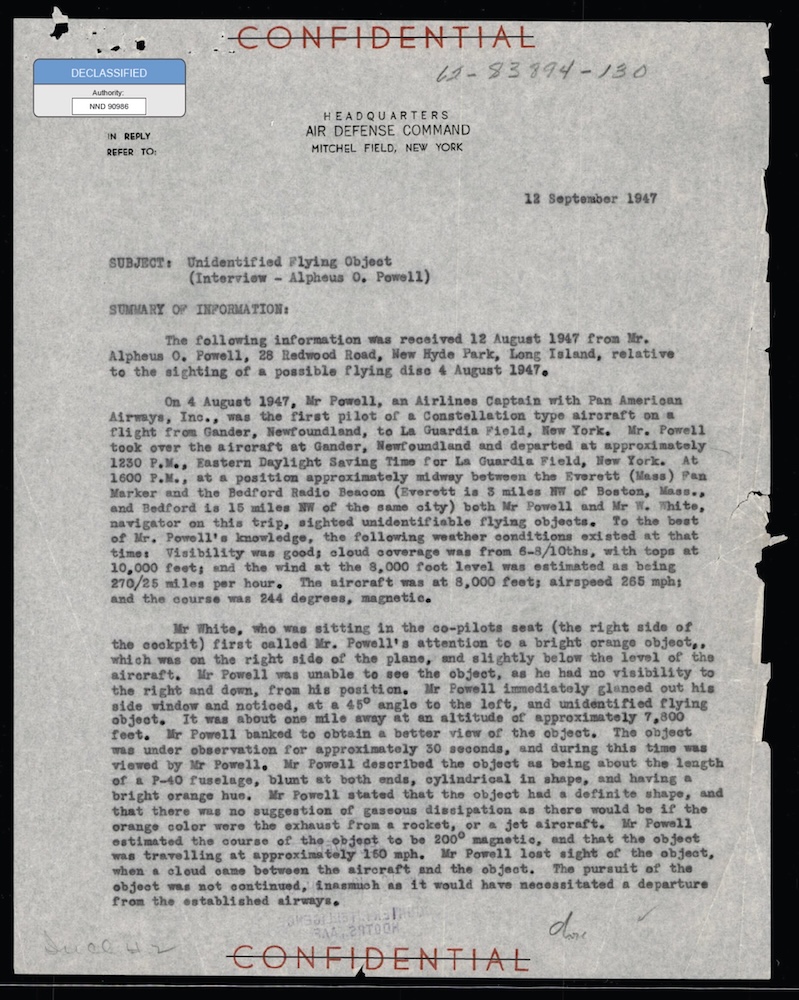
FBI File 65-HS1-834228961 — 62-HQ-83894 Serial 130
FBI case-file record 65-HS1-834228961, 62-HQ-83894 Serial 130. This entry includes a large public PDF and image file connected to the declassified FBI UFO case-file archive.
FBI File 65-HS1-834228961 — 62-HQ-83894 Serial 220
FBI case-file record 65-HS1-834228961, 62-HQ-83894 Serial 220. The entry is part of the same FBI file series as Sections 1, 7, 8, and 10.
FBI File 65-HS1-834228961 — 62-HQ-83894 Sub A
FBI case-file record 65-HS1-834228961, 62-HQ-83894 Sub A. Use this page as a companion entry to the main section and serial records in the FBI 62-HQ-83894 series.
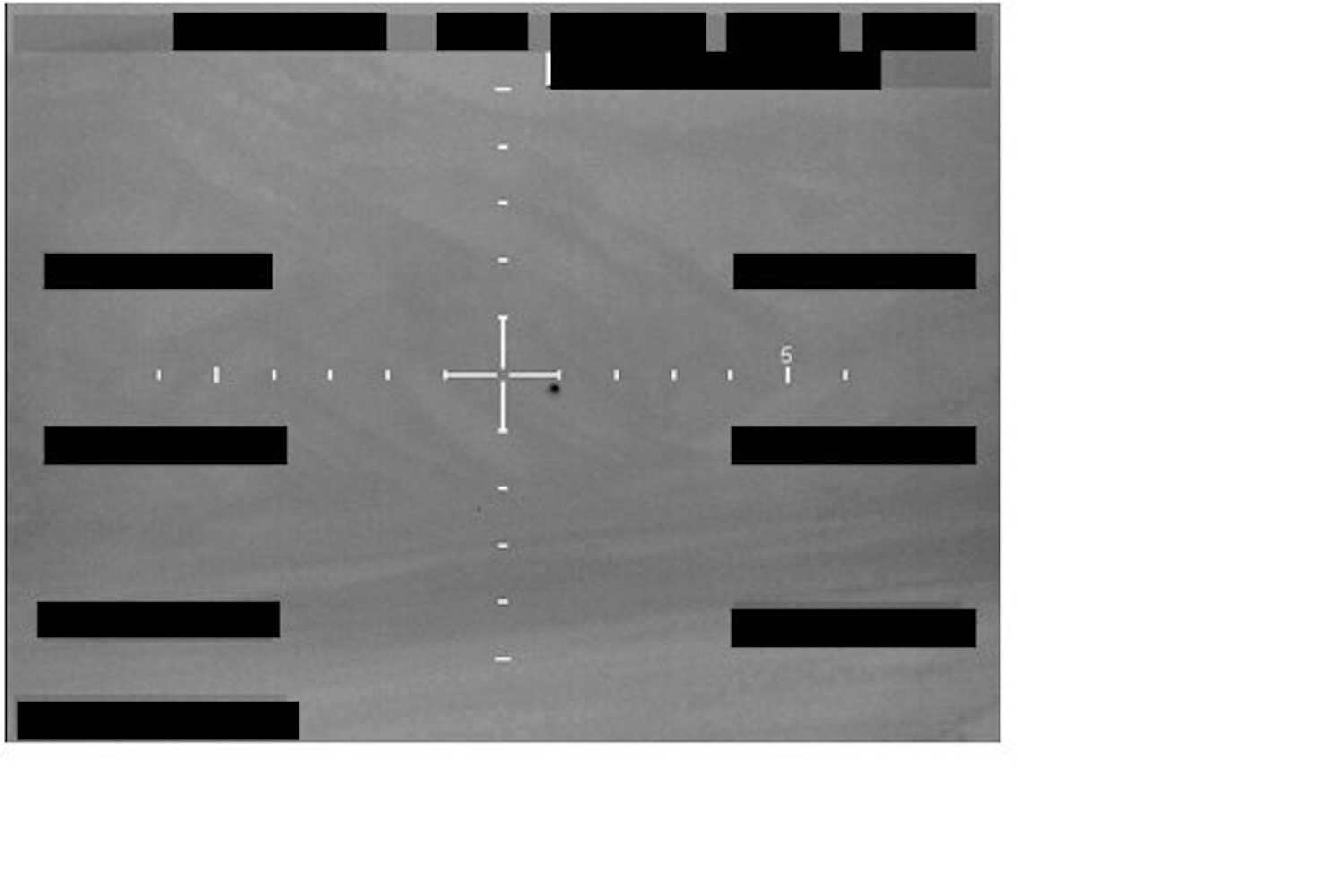
FBI FLIR/Sensor Imagery — Series A
Eight FLIR/forward-looking infrared sensor images from FBI UAP investigations. Multiple images contain heavy redactions (black bars) obscuring portions of the thermal imagery.
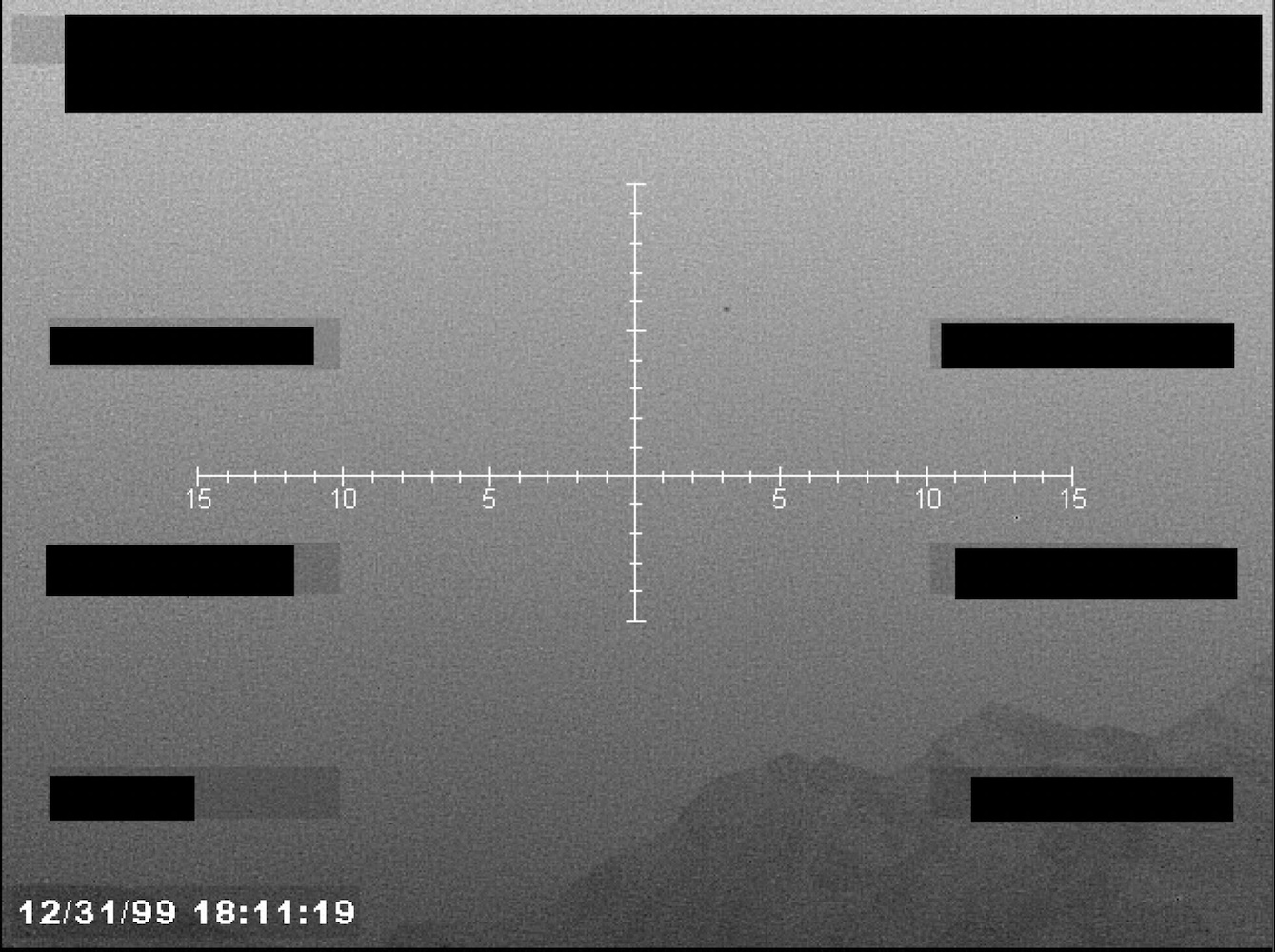
FBI Physical Evidence Photographs — Series B
Twenty-four high-resolution physical evidence photographs from FBI case files related to UAP investigations. These images document physical evidence collected during field investigations.
INDOPACOM Email: UAP Correspondence, Apr 2025
Internal email correspondence from U.S. Indo-Pacific Command (INDOPACOM) regarding UAP encounters in the Indo-Pacific theater, April 2025.

Mission Report: UAP Over Djibouti, 2025
Military mission report documenting a UAP encounter near Djibouti, East Africa in 2025. Filed through Department of War reporting channels.

UAP Composite Sketch — April 30, 2024
Public composite sketch dated April 30, 2024, included in the PURSUE archive. This page indexes the image file and connects it to related UAP mission-report and evidence records.
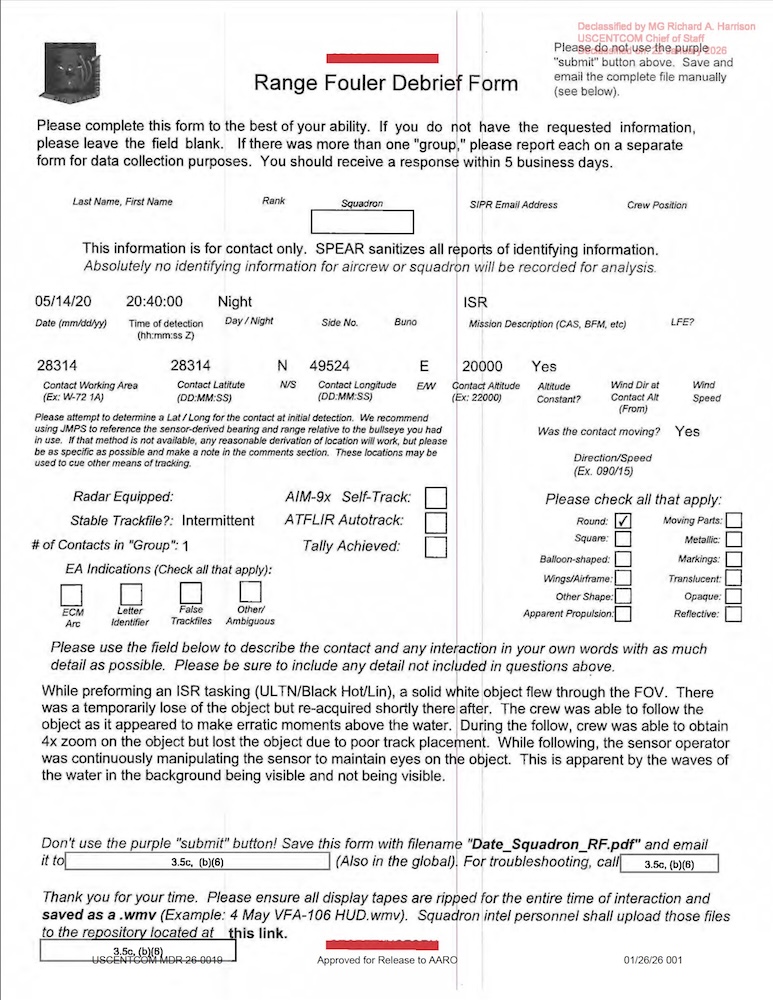
Range Fouler Debrief — Middle East UAP Encounter, May 2020
Standardized military Range Fouler debrief form documenting a UAP encounter in the Middle East, May 2020. Includes radar/FLIR tracking data, object characteristics, and crew narrative description.
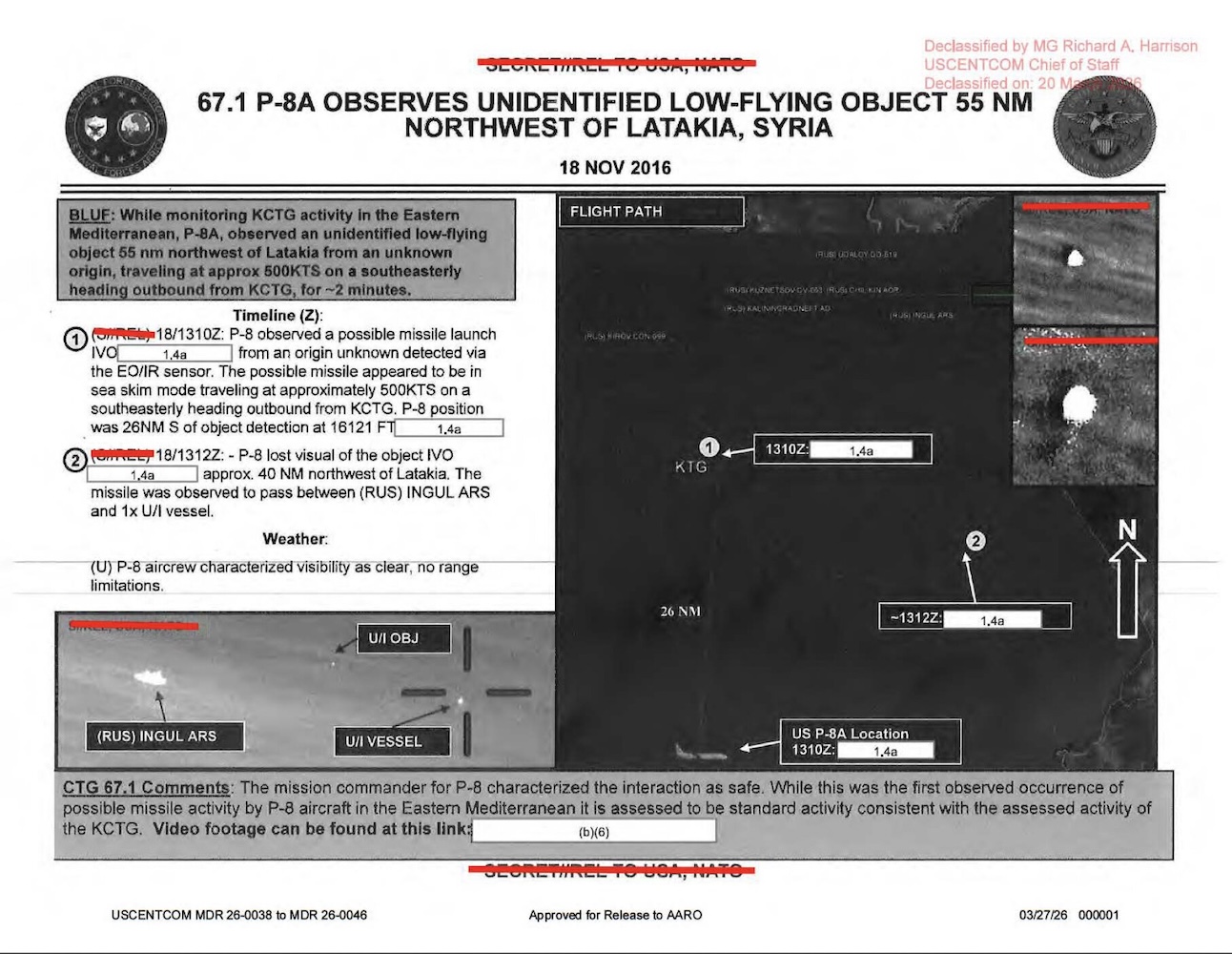
P-8A Observes Unidentified Low-Flying Object — Syria, Nov 2016
P-8A maritime patrol aircraft observed an unidentified low-flying object 55 NM northwest of Latakia, Syria on November 18, 2016. The object was detected via EO/IR sensor traveling at approximately 500 knots on a southeasterly heading, and was observed passing between Russian naval vessels.
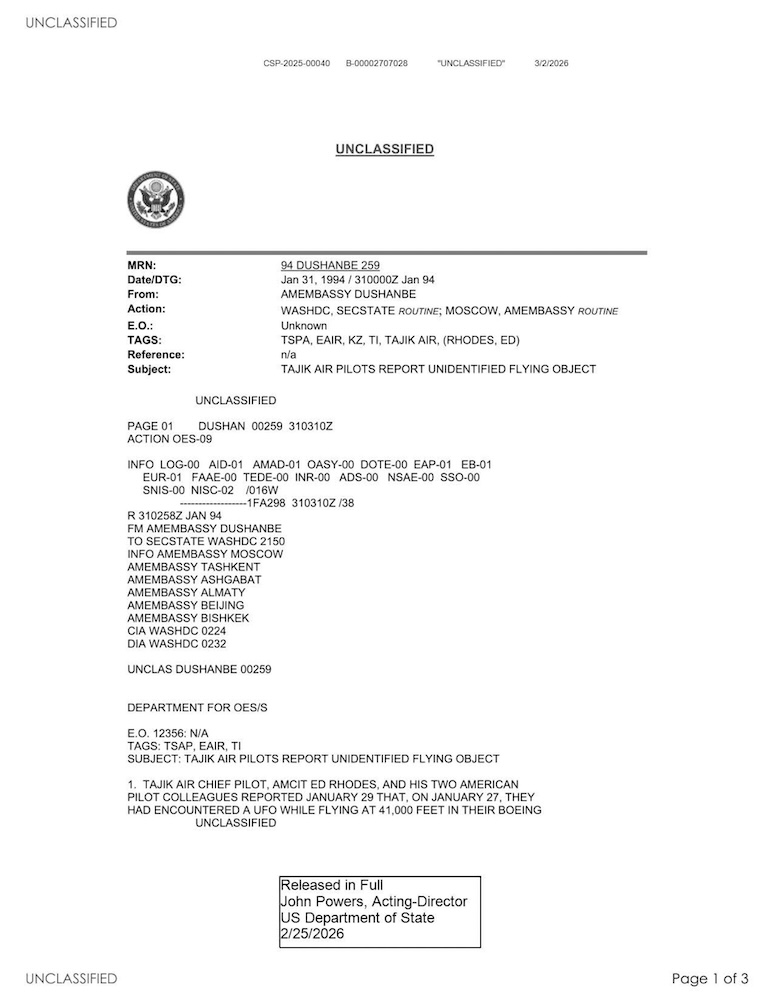
State Department Cable: UAP Report — Kazakhstan, Jan 1994
State Department cable reporting a UAP incident near Kazakhstan in January 1994, transmitted through diplomatic channels.
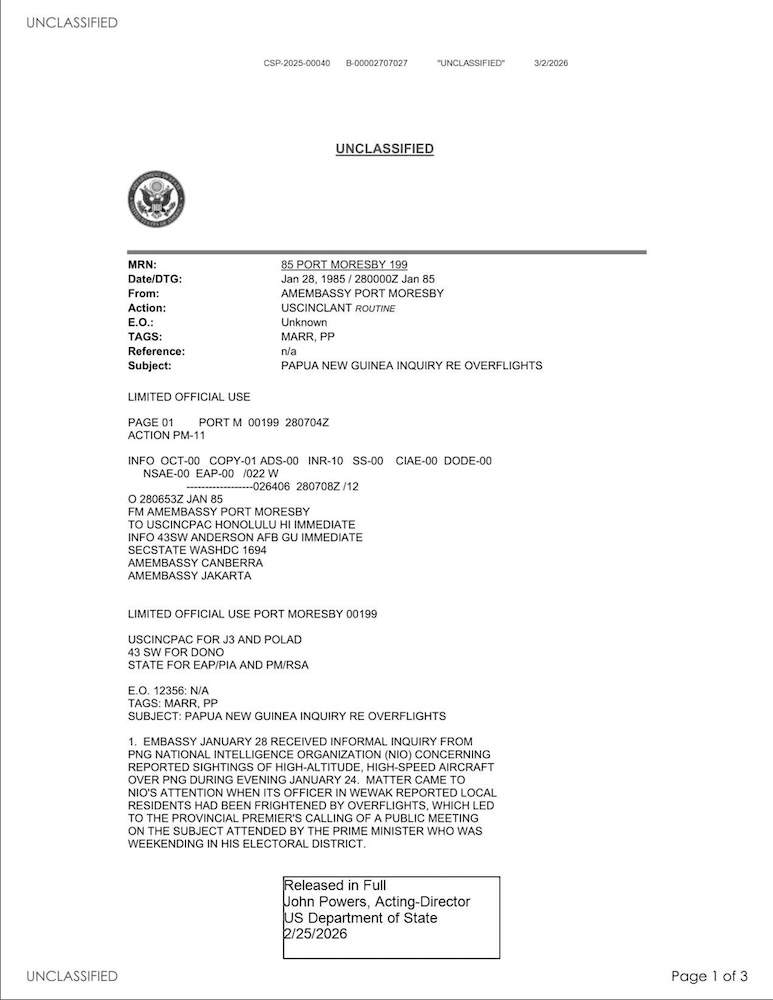
State Department Cable: UAP Sighting — Papua New Guinea, Jan 1985
Diplomatic cable from the U.S. Embassy documenting a UAP sighting reported in Papua New Guinea in January 1985. Transmitted through official State Department channels.
Apollo 17 Science Crew Debriefing — Lunar Observations, 1973
Apollo 17 science crew debriefing from NASA, dated 1973. Read this with the Apollo 17 transcript, technical debriefing, and VM6 image to separate mission observations from later UFO interpretations.
Apollo 17 Technical Crew Debriefing — Mission Observations, 1973
Apollo 17 technical crew debriefing from NASA, dated 1973. This record provides post-mission operational context for Apollo 17 UAP and anomalous-observation searches.
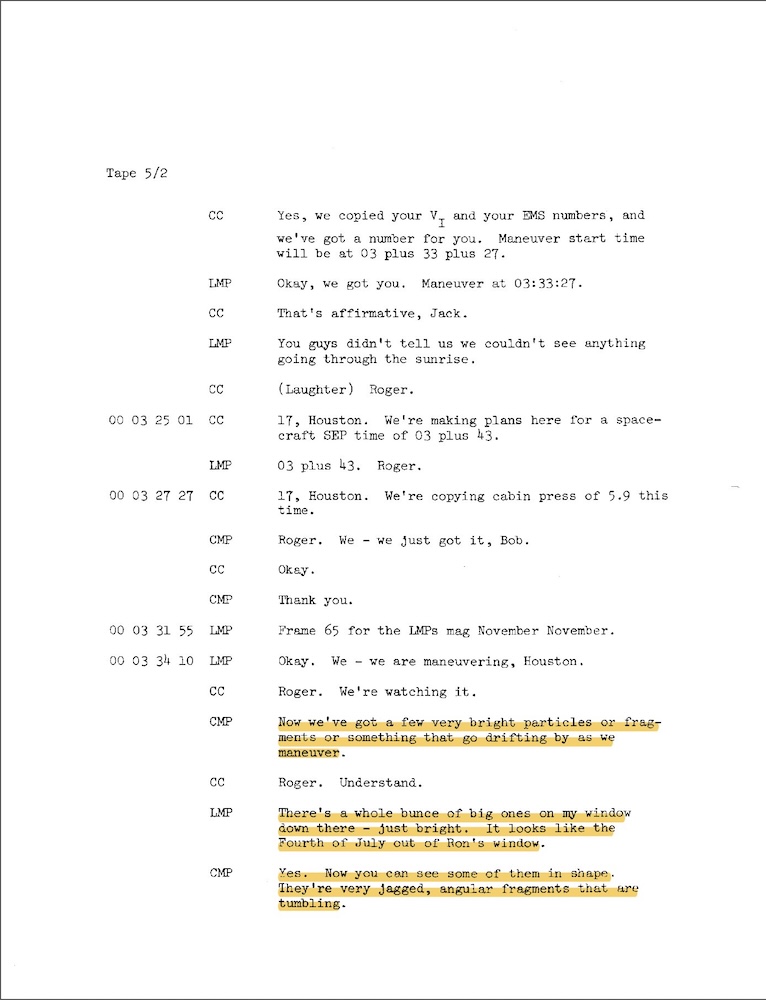
Apollo 17 Mission Transcript — UAP and Anomalous Lights, 1972
One page of the Apollo 17 air-to-ground transcript (Tape 5/2), from about three and a half hours after launch in December 1972. Highlighted lines record the crew describing very bright particles or fragments drifting past the spacecraft during a maneuver, including a comparison to the Fourth of July and jagged, tumbling angular pieces.
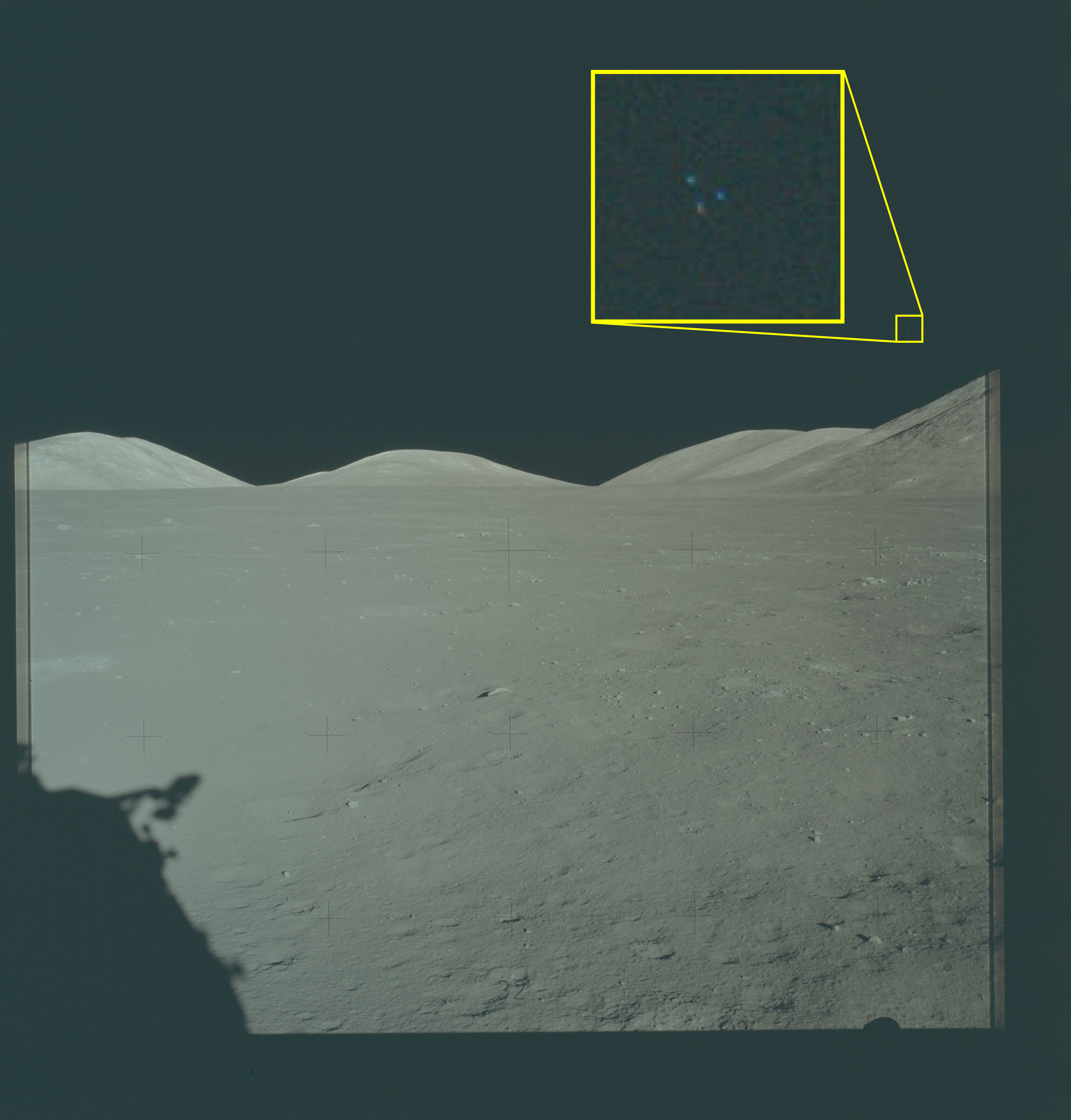
Apollo 17 Visual Media VM6 — Lunar Anomaly Image, 1972
Apollo 17 lunar surface photograph (1972) from the NASA UAP release. The frame looks across a flat valley floor toward rounded hills, with a dark shadow at lower left. A yellow box added for the release enlarges a tiny cluster of three faint points in the black sky above the right-hand slope, two bluish and one orange. No explanation is given.
Apollo 11 Technical Crew Debriefing — Light Flashes and Observations, 1969
Apollo 11 technical crew debriefing from NASA, included in the declassified UAP archive. Use it as context for Apollo-era light-flash and anomalous-observation claims alongside Apollo 12 and Apollo 17 records.
Apollo 12 Mission Transcript — Anomalous Observations, 1969
One page of the official NASA Apollo 12 mission transcript (November 1969), Tape 90/3, page 742. The page shown covers Houston uplinking a state vector and the lift-off time to the lunar module Intrepid, plus a friendly exchange with the command module pilot aboard Yankee Clipper. It is routine flight-operations dialogue with no unidentified object mentioned on this page.
Apollo 12 Visual Media — Lunar Surface Anomalies, 1969
Apollo 12 lunar surface photograph (1969) from the NASA UAP release. The frame shows the lunar horizon, long shadows across the surface and the film's reseau crosses. A yellow box added for the release enlarges a tiny vertical blue streak just above the horizon on the right. The record does not say what the streak is.
Apollo 12 Visual Media VM2 — Lunar Surface Anomaly Image, 1969
Apollo 12 visual media file VM2 from the NASA UAP release. Use it with the Apollo 12 transcript and neighboring VM files to compare lunar surface features, shadows, frame edges, and possible anomaly claims.
Apollo 12 Visual Media VM3 — Lunar Surface Anomaly Image, 1969
Apollo 12 visual media file VM3 from the NASA UAP release. The image is part of the Apollo 12 UFO file set and is best read beside VM1, VM2, VM4, VM5, and the Apollo 12 communications transcript.
Apollo 12 Visual Media VM4 — Lunar Surface Anomaly Image, 1969
Apollo 12 visual media file VM4 from the NASA UAP release, connected to lunar surface anomaly review. Compare this image with the Apollo 12 transcript and the full VM image set before drawing conclusions.
Apollo 12 Visual Media VM5 — Lunar Surface Anomaly Image, 1969
Apollo 12 visual media file VM5 from the NASA UAP release. It belongs to the declassified Apollo 12 UFO image group and supports side-by-side review of lunar surface, sky region, and scan artifacts.