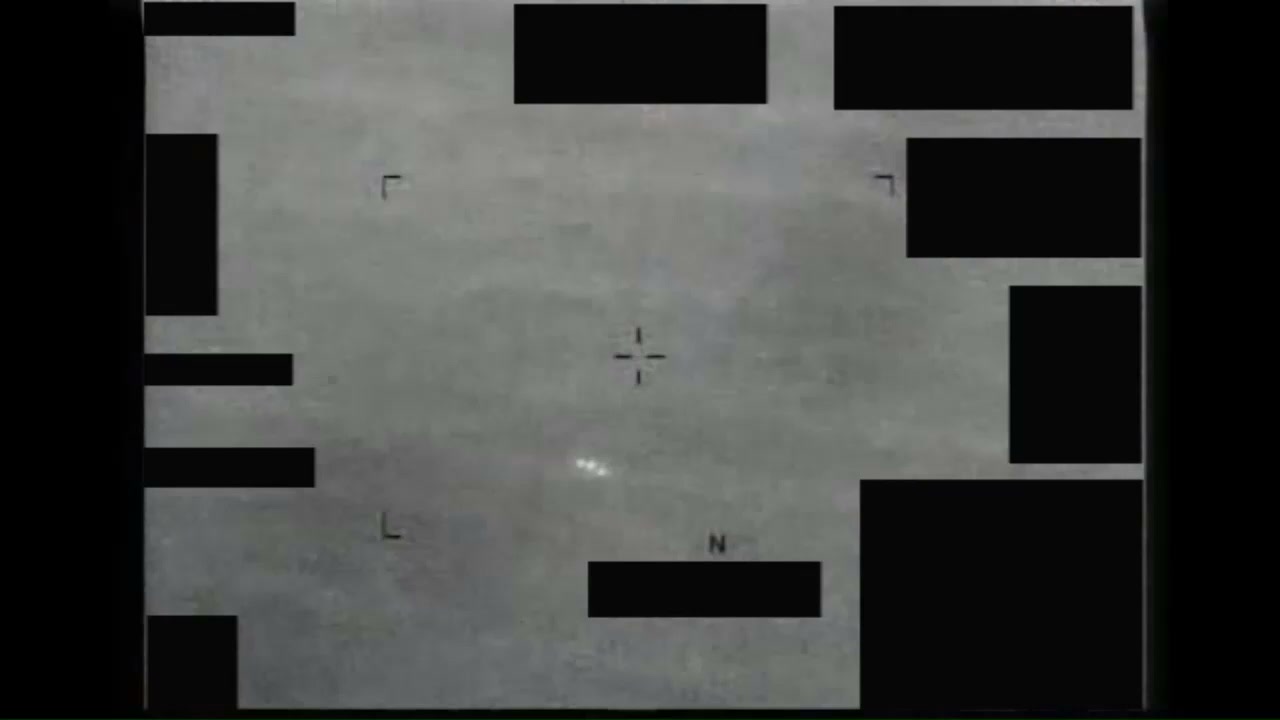
The 2020 Persian Gulf UAP Cluster: Why These Military Files Belong Together
The PURSUE archive is easiest to understand one file at a time. But the most interesting UAP patterns often appear when records are grouped by time, place, and reporting format.
The 2020 Gulf records are one of those groups.
Across the Arabian Gulf, Persian Gulf, Arabian Sea, Strait of Hormuz, and broader Middle East region, the archive contains mission reports, range fouler debriefs, and video records that sit close enough in time and geography to deserve a cluster-level reading.
This does not mean every file describes the same object or event. It means the records form a research neighborhood.
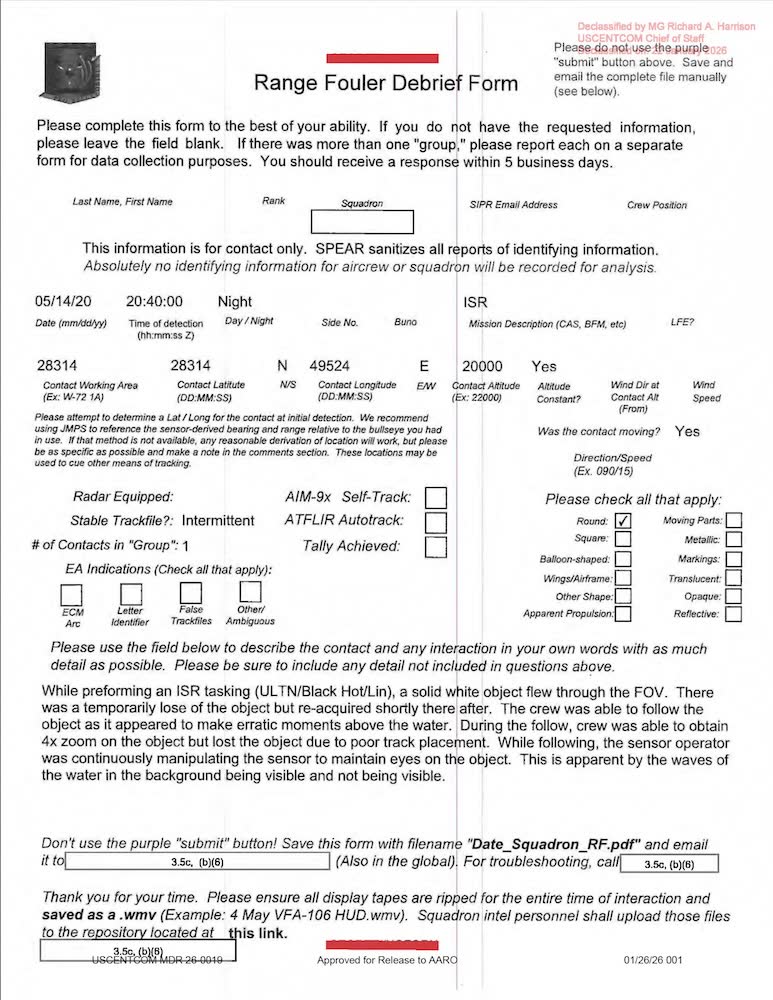
The Cluster at a Glance
These files are the core of the 2020 Gulf cluster:
| Record | Region | Format | Why it matters |
|---|---|---|---|
| DOW-UAP-D38 | Middle East | Range fouler debrief | Structured pilot or crew report format |
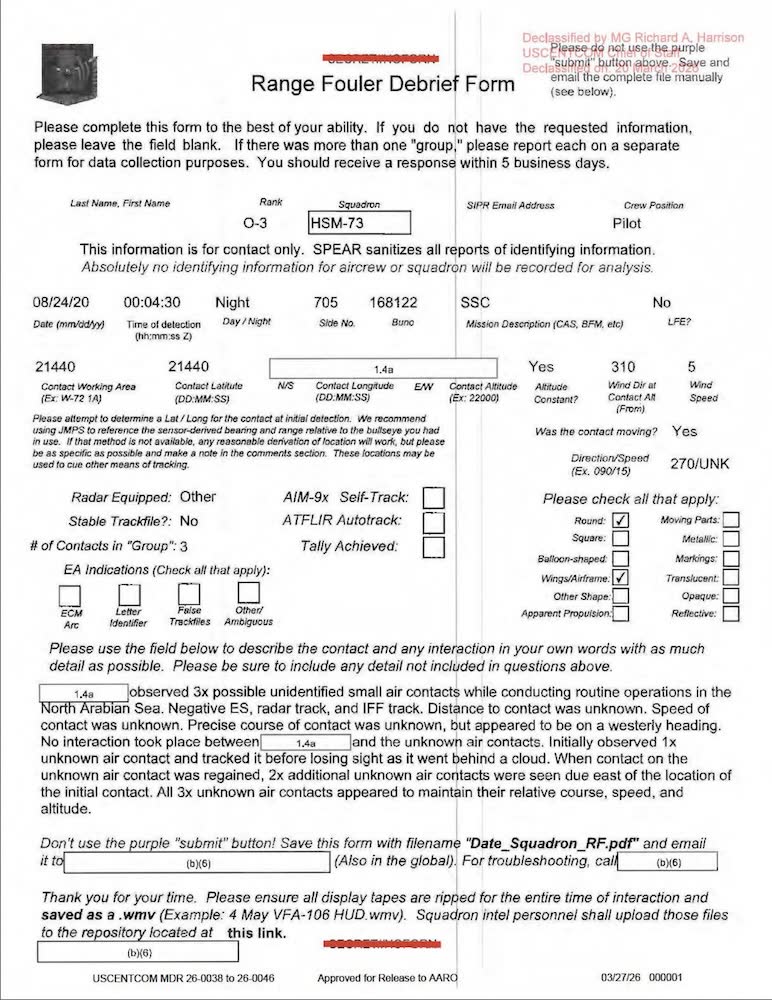
| DOW-UAP-D56 | Arabian Sea | Range fouler debrief | Second debrief-style record in same broader theater |
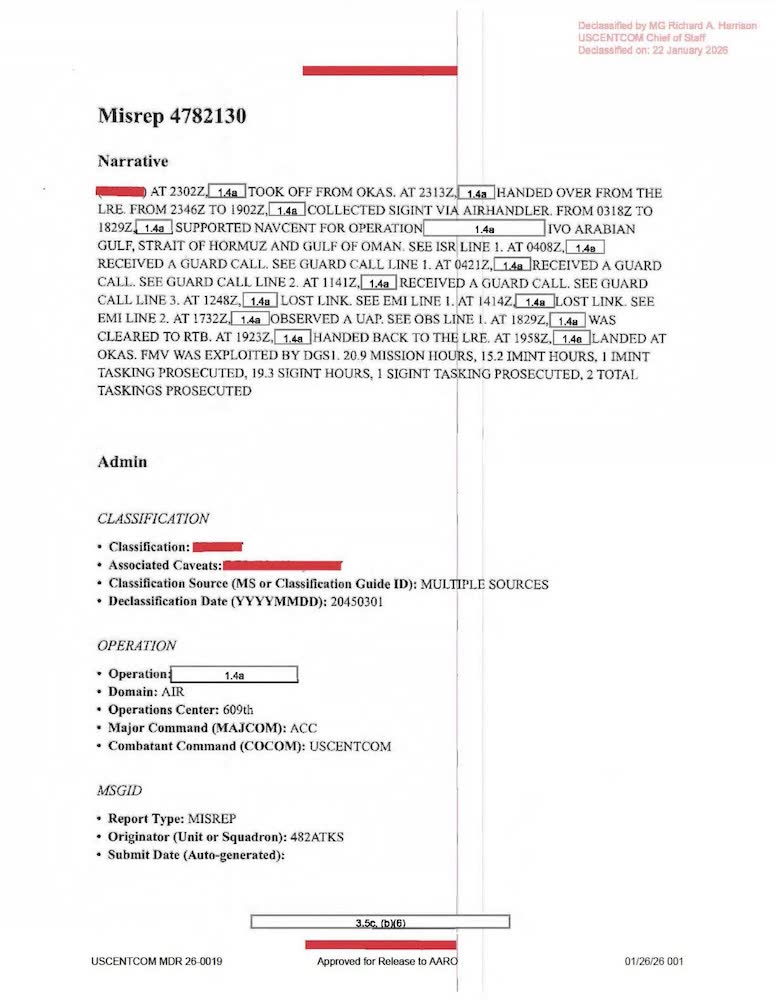
| DOW-UAP-D60 | Persian Gulf | Mission report | Operational mission context |
| DOW-UAP-D62 | Strait of Hormuz | Mission report | Strategic chokepoint location |
| DOW-UAP-D63 | Strait of Hormuz | Mission report | Follow-on record one month later |
| DOW-UAP-D64 | Iran | Mission report | Regional continuity into late 2020 |
The pattern is not just “many files.” It is many files in adjacent operational spaces, using multiple reporting formats.
Why Range Fouler Files Stand Out
UFO enthusiasts should pay special attention to range fouler debriefs. A range fouler report usually implies an object or event interfered with, intruded upon, or complicated controlled military activity.
That makes the report different from a casual sighting.
Range fouler records tend to preserve:
- Operational context
- Observer role
- Aircraft or mission setting
- Object behavior
- Sensor or visual observation notes
- Safety implications
That does not make the object extraordinary by default. It makes the report operationally meaningful.
The Strait of Hormuz Pair
Two records deserve to be read together:
The location matters. The Strait of Hormuz is one of the world’s most monitored maritime corridors. Military, commercial, and regional security activity all overlap there. A UAP report in that environment raises more questions than a report over an empty training range:
- Was the object visible to multiple platforms?
- Did it appear near a known route or patrol area?
- Was it tracked visually, electronically, or both?
- Was it interpreted as a safety issue, intelligence issue, or unknown aerial event?
The documents may not answer all of this directly, but they give researchers a starting frame.
The Video Layer
The same broader 2020 period also includes several video records. These should not automatically be merged with the mission reports, but they should be placed nearby during review.
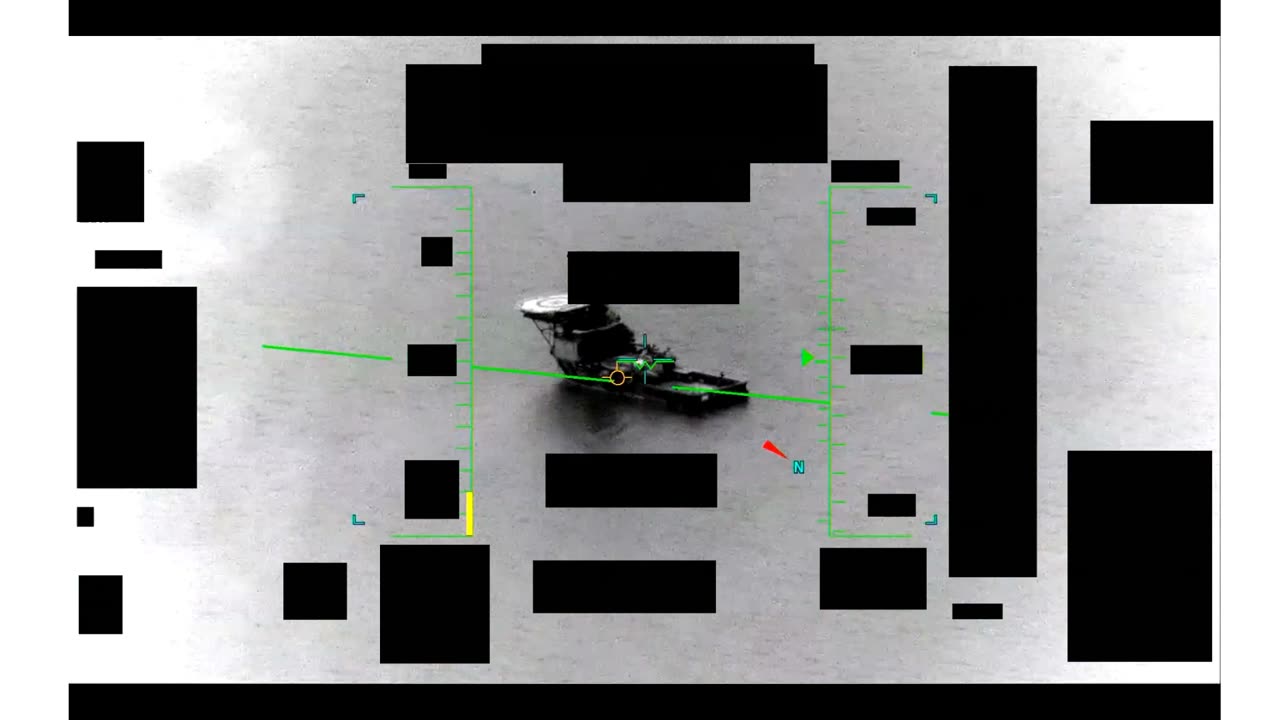
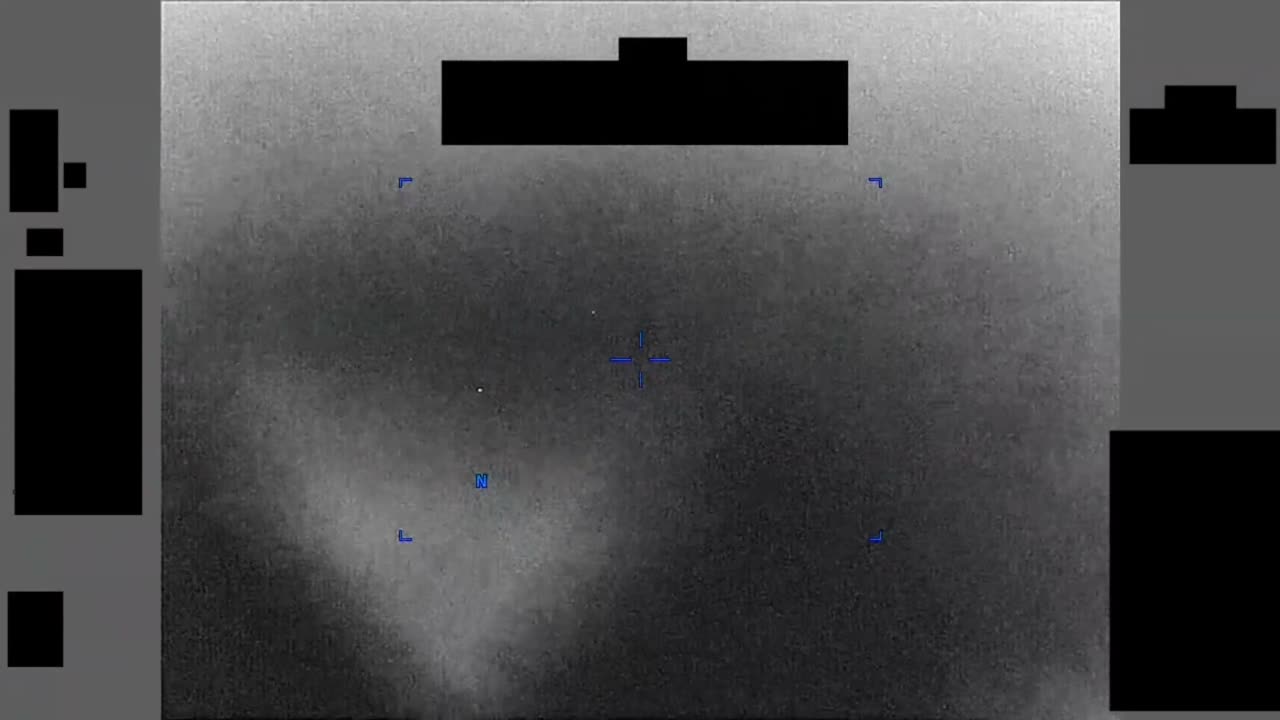
Useful video pages:
- PR36 - Middle East, May 2020
- PR37 - Middle East, 2020
- PR39 - Middle East, 2020
- PR42 - Middle East, 2020
How to Read the Cluster Without Forcing It
The wrong way to read a cluster is to assume every record describes one coordinated phenomenon.
The better way is to ask whether the records share:
- Region
- Time period
- Reporting format
- Object behavior
- Sensor context
- Operational impact
If only region and year match, the cluster is weak. If region, date, behavior, and reporting format all line up, it becomes stronger.
Why This Cluster Interests UFO Enthusiasts
The 2020 Gulf records combine several high-interest ingredients:
- Military observers
- Active operational theaters
- Maritime and airspace chokepoints
- Repeated records across months
- Range fouler forms
- Mission reports
- Video-bearing files nearby in the archive
That is exactly the kind of set serious researchers look for. It offers more than one angle of attack.
A Research Map
Use this order:
- Start with DOW-UAP-D38 to understand the debrief format.
- Compare with DOW-UAP-D56 for format overlap.
- Move into mission reports D60, D62, and D63.
- Add the video pages as visual context.
- Only then write a claim about the cluster.
Bottom Line
The 2020 Persian Gulf cluster is not interesting because any one file is automatically decisive. It is interesting because the records sit close together in place, time, and military context.
For UFO enthusiasts, that is where good research starts: not with a single spectacular frame, but with a pattern that can be mapped, challenged, and refined.