Inside the FBI Physical Evidence Photos: A Lab-Style Guide for UFO Researchers
Most UFO releases give researchers sightings, testimony, or blurry distant lights. The FBI Series B files are different. They present a set of physical evidence photographs - the kind of material that invites close inspection, comparison, and a more disciplined research method.
The archive describes the set as twenty-four high-resolution physical evidence photographs from FBI case files related to UAP investigations. That does not mean the images prove a non-human origin. It means the Bureau treated something as evidence worthy of documentation, and that alone makes the set worth studying.
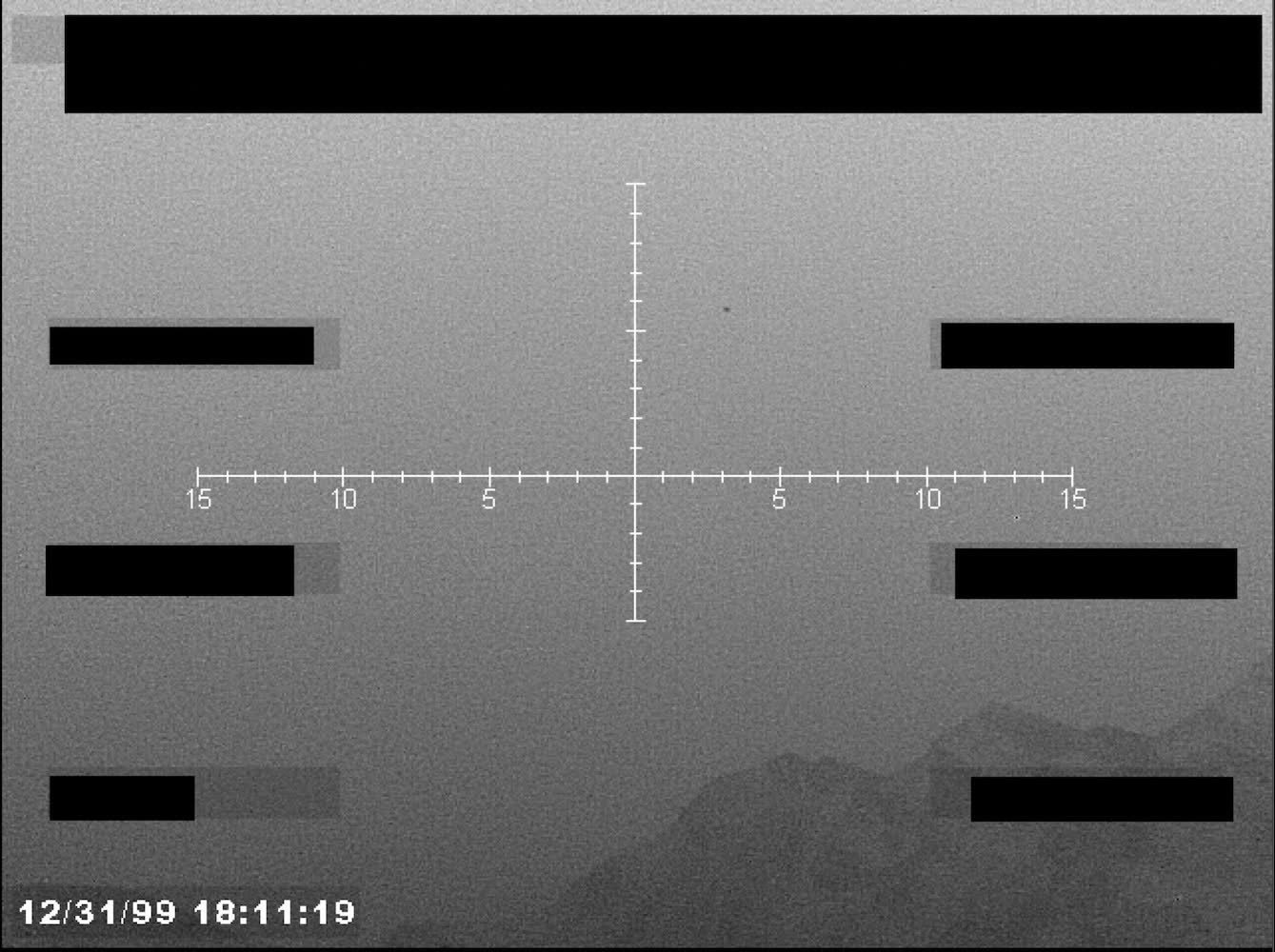
Why This Set Feels Different
The FBI files are interesting because they shift the question from “What did someone see?” to “What was collected, photographed, preserved, or cataloged?”
That shift changes the research standard.
| Typical sighting file | Physical evidence photo set |
|---|---|
| Witness memory | Object or material documentation |
| One report narrative | Repeatable image review |
| Sky position and movement | Surface, texture, lighting, scale, condition |
| Hard to reproduce | Other readers can inspect the same image |
For enthusiasts, this is the type of file that rewards patience. The details are often small: surface texture, edge wear, burn-like marks, residue, repeated angles, background setup, and how the sequence is organized.
The Image Set
Open the full document page first:
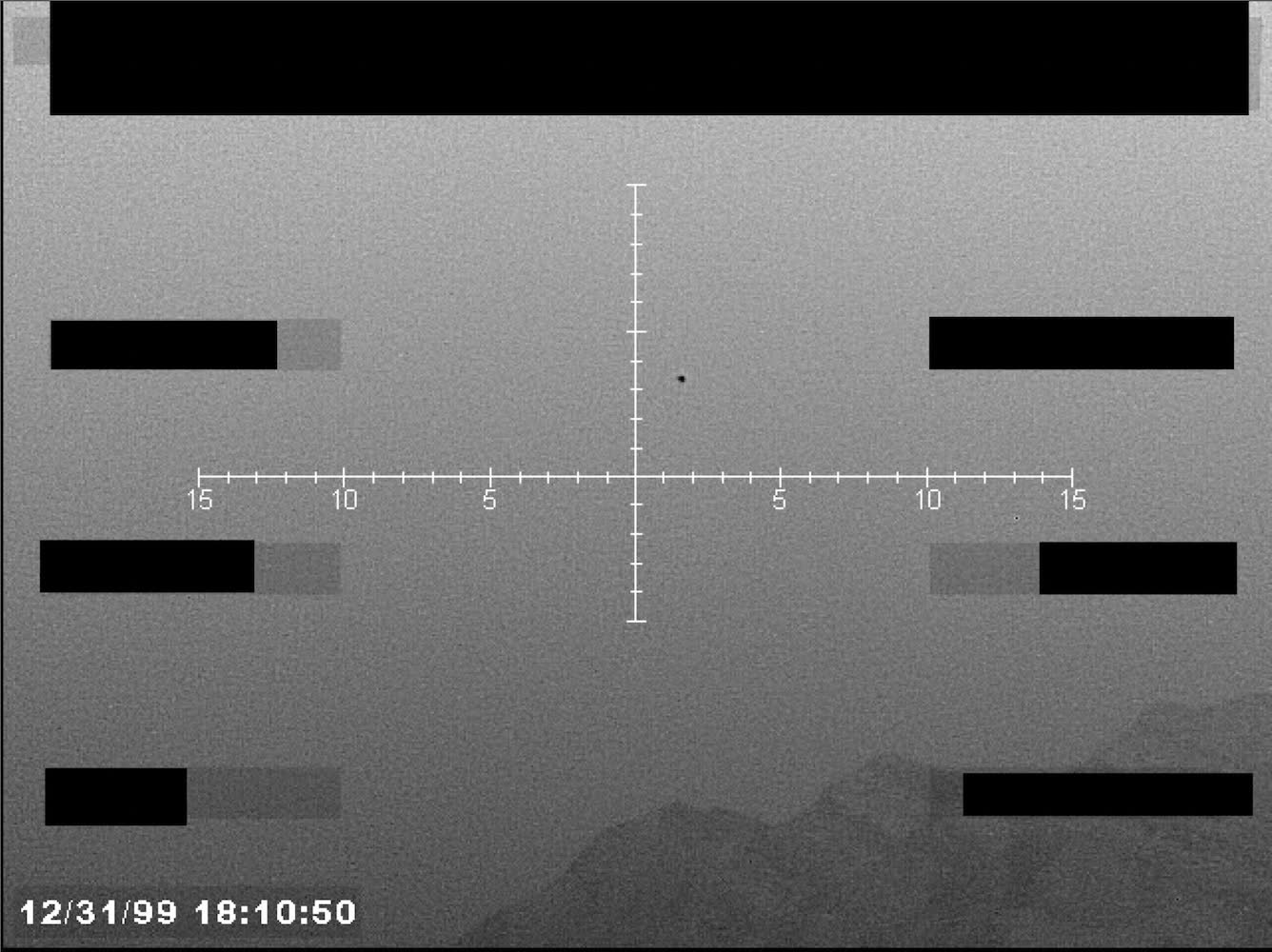
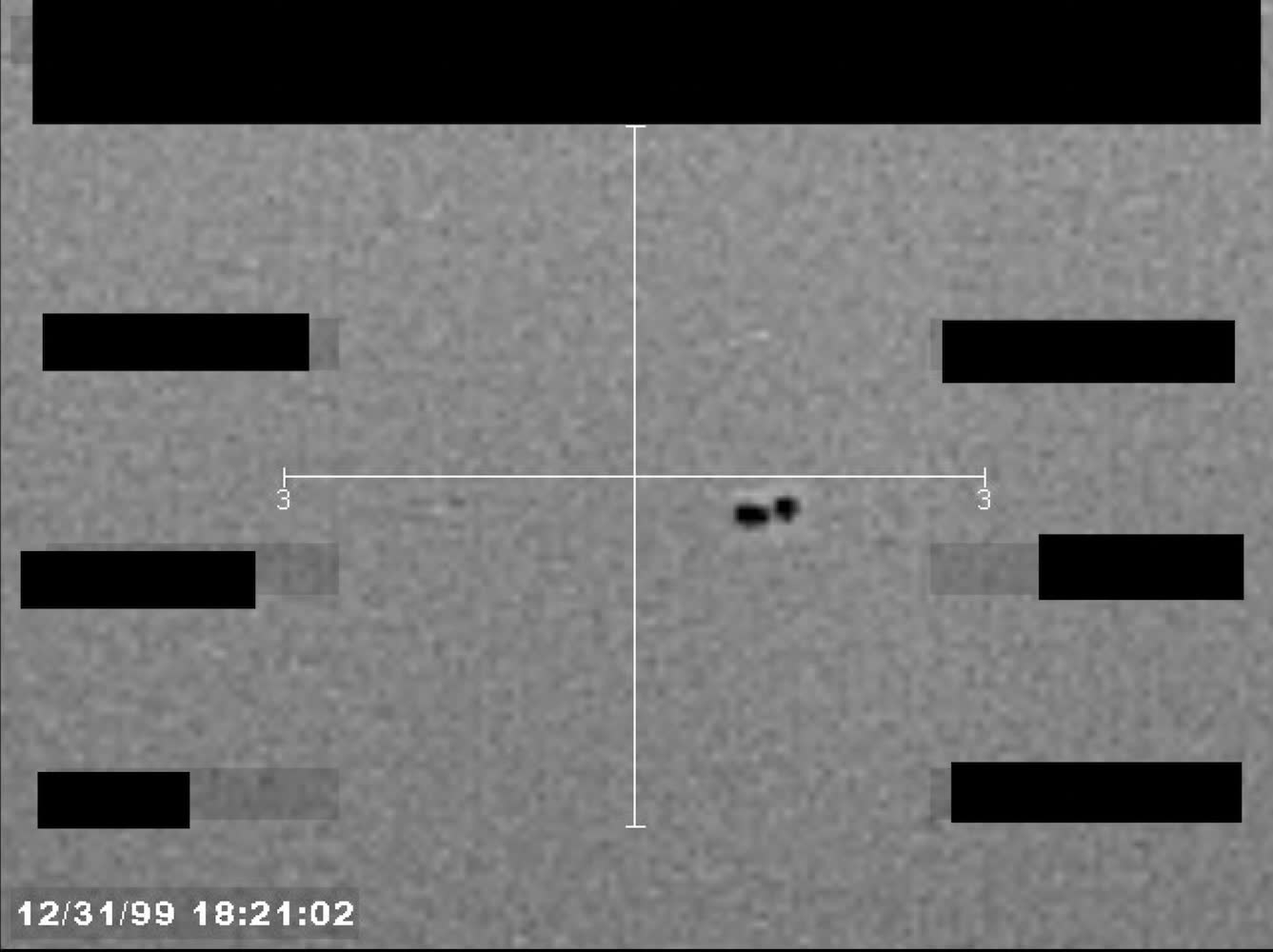
FBI Physical Evidence Photographs - Series B
Then inspect the images as a sequence rather than isolated frames. A sequence can reveal whether the photographer was documenting one object from multiple angles, multiple objects under the same protocol, or a mixed evidence group.
A Lab-Style Reading Method
Use a method that would still be useful if the final answer is mundane. That protects the analysis from wishful thinking.
1. Identify the Documentation Pattern
Ask these questions before interpreting the object:
- Is the image framed like an evidence photo?
- Is the background controlled or casual?
- Does lighting appear consistent between images?
- Are multiple sides or angles represented?
- Are there labels, rulers, markings, bags, tags, or document edges?
The point is to identify procedure. Procedure can tell you how seriously the material was handled.
2. Separate Material Clues From Photo Clues
Physical evidence photography contains two kinds of information:
| Clue type | Examples | Risk |
|---|---|---|
| Material clue | texture, edge, surface color, deformation, residue | easy to overinterpret |
| Photo clue | lighting, focus, compression, shadow, background | can mimic material features |
If a strange mark disappears under different lighting or angle, it may be a photo clue. If it persists across multiple frames, it becomes more interesting.
3. Build a Feature Log
A useful feature log might include:
- Shape
- Surface texture
- Edge quality
- Color changes
- Possible heat damage
- Visible residue
- Repeated markings
- Whether the feature appears in multiple frames
Do not start with “alien alloy.” Start with “darkened edge on upper-left surface, visible in frames X and Y.”
That kind of note can be checked.
The Companion Files Matter
The Series B photos should be read beside the broader FBI set:
- FBI FLIR/Sensor Imagery - Series A
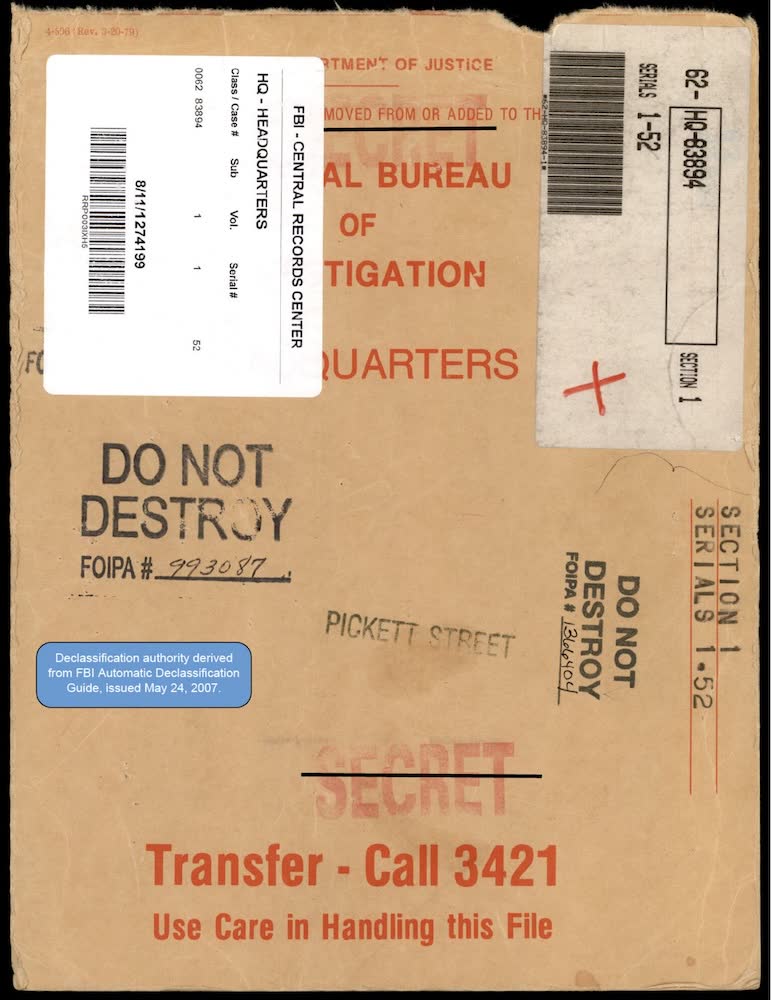
- FBI Case File 62-HQ-83894 Section 1
- FBI Case File 62-HQ-83894 Serial 220
- FBI Case File 62-HQ-83894 Sub A
The reason is simple: physical evidence without case context is visually intriguing but incomplete. A case file can add the missing frame: who collected it, why it mattered, what event it was tied to, and whether the Bureau had a working explanation.
What UFO Enthusiasts Should Look For
The best observations will be specific and modest.
Look for:
- Repeated features across multiple images
- Signs that the same object was photographed from several angles
- Differences between early and late frames in the sequence
- Evidence of handling, tagging, or controlled documentation
- Any mismatch between image content and the archive summary
Avoid:
- Declaring composition from color alone
- Treating scratches as inscriptions
- Assuming heat damage without a reference
- Inferring size without a scale
- Cropping out the surrounding documentation context
A Better Way to Discuss These Photos
Weak claim:
This is debris from a craft.
Stronger claim:
The Series B file contains multiple controlled photographs of physical material. Several frames appear to document surface and edge details. The next useful step is to compare repeated features across the sequence and match them to the related FBI case sections.
That second claim is less dramatic, but it is more useful. It invites verification.
Research Checklist
Before sharing a claim about Series B, make sure you can answer:
- Which frame number are you using?
- Is the feature visible without aggressive enhancement?
- Does the same feature appear in another Series B frame?
- Can the feature be explained by lighting, shadow, focus, or compression?
- Which FBI case file should be checked next?
- Is your claim about what the image shows, or about what you think it means?
The last question is the guardrail. Observations and interpretations should be kept separate.
Bottom Line
The FBI physical evidence photos are among the most compelling parts of the PURSUE archive because they invite repeatable inspection. They do not need hype. Their value is that any serious reader can open the same files, compare the same frames, and build a shared map of what is actually visible.
For a UFO researcher, that is the kind of evidence set worth slowing down for.