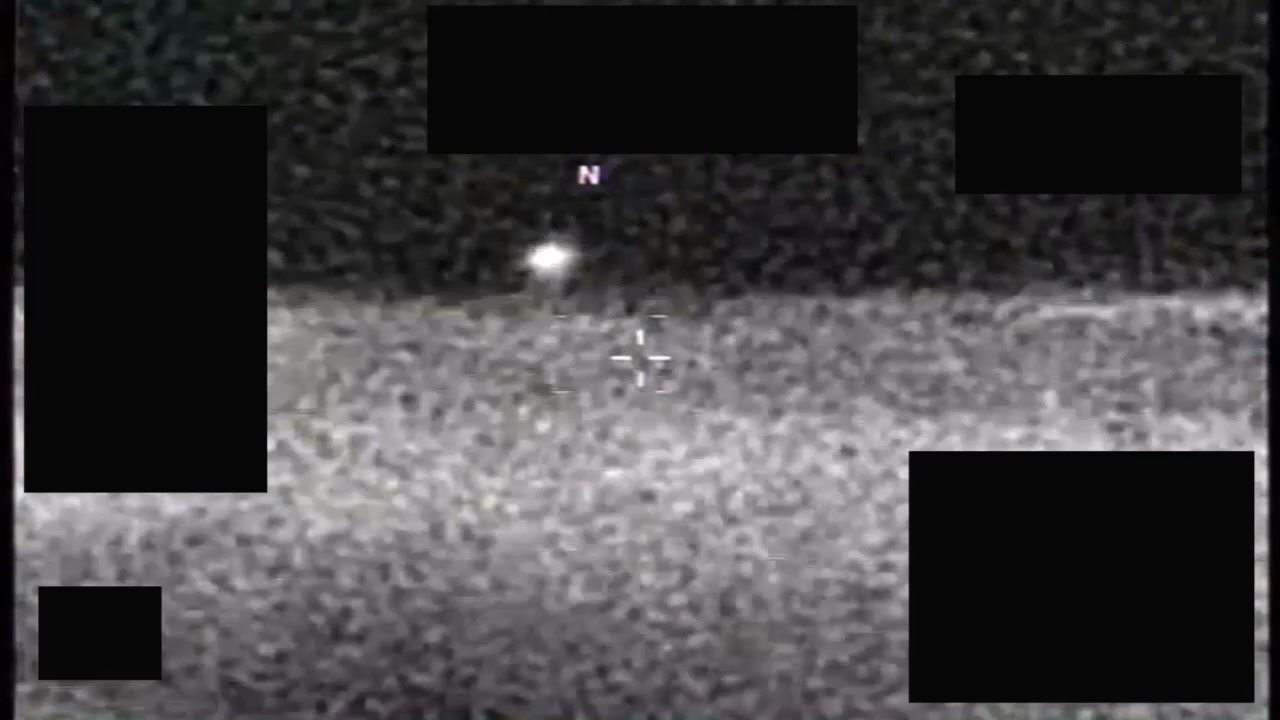
War.gov UFO Release 02: What Changed in the May 22 PURSUE Files
The second PURSUE tranche is not just an add-on to the first War.gov/UFO release. It changes the shape of the archive.
Release 01 introduced the public database: FBI case material, Department of War mission reports, NASA Apollo-era records, State Department cables, National Archives files, and the first large set of military UAP videos. Release 02, published on May 22, 2026, adds a different mix: more modern military sensor video, seven NASA audio records, six document records from DOW, DOE, CIA, and ODNI, and several historical leads that connect UAP reporting to national security sites, nuclear-era research, and early spaceflight.
The official Department of War announcement says the second release is part of the Presidential Unsealing and Reporting System for UAP Encounters, or PURSUE, and confirms that additional files are expected on a rolling basis. The official portal is still War.gov/UFO, and the May 22 announcement is archived on the Department of War release page.
Our database now indexes Release 02 alongside Release 01, so readers can search both batches from one place: browse Release 02 records.
Release 02 at a Glance
Release 02 adds 64 indexed records to the UFO Declassified archive:
| Category | Count | What it adds |
|---|---|---|
| Department of War video records | 51 | Sensor footage from CENTCOM, INDOPACOM, NORTHCOM, EUCOM, and related military contexts |
| NASA audio records | 7 | Apollo, Mercury, and early spaceflight audio excerpts tied to anomalous observations or ambiguous flight events |
| PDF document records | 6 | Sandia Base, CIA USSR reporting, ODNI narrative material, and Department of Energy records |
| New source agencies | 4 | DOE, CIA, ODNI, plus more NASA and Department of War material |
| Release date | May 22, 2026 | The second public tranche after the May 8 launch |
The official War.gov page lists separate Release 02 downloads for documents and videos. The document bundle is relatively small compared with the video package, but its research value is high because the six PDFs introduce new agencies and older historical contexts.
The Big Shift: From Release 01 to Release 02
Release 01 was broad. It established the archive across agencies and formats. Release 02 is more focused in three ways.
First, it increases the number of recent military sensor records. Many of the new DOW records are short video assets tied to operational regions or named UAP public release numbers. These include records such as DOW-UAP-PR050, the Iran four-UAP formation video and DOW-UAP-PR051, the Syrian instant acceleration record.
Second, Release 02 brings audio into the main PURSUE record set. NASA audio records from Apollo, Mercury, and early crewed spaceflight now sit beside the earlier NASA transcripts and visual media. That matters because audio is not just supporting evidence; it preserves timing, context, and crew language in a way summaries often cannot.
Third, the release broadens the source map. DOE, CIA, and ODNI are now visible in the archive as direct source groups rather than future expectations. That gives researchers a stronger path into intelligence, energy, and nuclear-security contexts.
Sandia Base: The Most Important Historical PDF in Release 02
The standout document in the second tranche is DOW-UAP-D017, UAP Reported at Sandia Base, 1948-1950.
This record is significant for three reasons.
First, it focuses on a national security site in New Mexico during the early UAP era. The late 1940s are already central to UFO history because of postwar flying-disc reports, military intelligence interest, and public concern about unidentified aerial objects. Sandia Base adds a specific defense and nuclear-era context.
Second, the record is not a single anecdote. It points to a pattern of reported observations near Sandia Base from 1948 through 1950, including descriptions of green orbs, discs, and fireballs. That makes it useful for researchers looking for clusters rather than isolated cases.
Third, it creates a bridge between historical UAP reporting and later scientific collection efforts. The document references attempts to understand or collect possible airborne material after fireball reports. That does not prove an extraordinary explanation, but it does show that officials were thinking about evidence collection, not just witness statements.
For readers who want one starting point in Release 02, Sandia Base is the best first document. It has enough historical depth to support serious research, and it connects to broader questions about how early UAP reports were handled around sensitive facilities.
CIA and ODNI: Intelligence Material Enters the Search Path
Release 02 also adds a CIA record and an ODNI narrative record.
The CIA file, CIA-UAP-D001, Intelligence Information Report USSR 1973, brings the archive into Cold War intelligence territory. Its value is less about proving a specific claim and more about showing how UAP-related information moved through intelligence reporting channels during a period when Soviet capabilities, air defense, and aerospace developments were all high-priority concerns.
The ODNI record, ODNI-UAP-D001, USPER Narrative from a Senior USIC Official, is different. It is a narrative record rather than a sensor package. That makes it useful for comparing how firsthand or official narrative material sits beside video, audio, and historical documentation.
Together, these two records make Release 02 more than a military video dump. They add an intelligence-community layer that was mostly expected after Release 01 but not yet directly represented in the same way.
Department of Energy: PANTEX, Tuck, and Pajarito
The Department of Energy material is one of the most important additions in Release 02 because it brings nuclear and laboratory-adjacent context into the archive.
Three DOE records are now indexed:
| Record | Why it matters |
|---|---|
| DOE-UAP-D001, Enhanced PANTEX Imagery | Connects UAP imagery to a sensitive national-security production site |
| DOE-UAP-D002, James Tuck Correspondence | Adds historical scientific correspondence and research context |
| DOE-UAP-D003, Pajarito Astronomers Invitation | Points to astronomy, observation, and laboratory-community context |
The PANTEX record will likely draw the most attention because PANTEX is strongly associated with nuclear weapons assembly and maintenance. Readers should be careful here: the presence of a UAP-related record tied to a sensitive site does not automatically tell us what the object was. But it does make the record relevant to a long-running research question: why do so many UAP discussions return to military, nuclear, or high-security locations?
The James Tuck and Pajarito records are quieter but still valuable. They help widen Release 02 beyond modern military footage and show that DOE-related material can include scientific correspondence and community observation contexts, not only imagery.
NASA Audio: The Archive Now Has Voices, Not Just Pages
Release 02 adds seven NASA audio records:
| Record | Mission or context |
|---|---|
| NASA-UAP-D008 | Apollo 12 medical debriefing |
| NASA-UAP-D009 | Apollo 17 audio excerpt |
| NASA-UAP-D010 | Mercury Atlas 9 audio excerpt |
| NASA-UAP-D011 | Mercury Atlas 9 audio excerpt |
| NASA-UAP-D012 | Mercury Atlas 8 audio excerpt |
| NASA-UAP-D013 | Mercury Atlas 7 |
| NASA-UAP-D014 | Mercury-Redstone 4 |
The NASA audio records should be read alongside the Release 01 NASA transcripts and image records. The earlier batch already included Apollo documents and visual media. Release 02 adds the listening layer: how astronauts, mission personnel, or recovery teams described unusual observations or ambiguous events in their own communication context.
That does not mean every NASA audio record is unexplained. Some records describe observations that have plausible operational or environmental explanations. The research value is in the primary-source comparison: audio, transcript, mission timing, and later interpretation can now be examined together.
Military Video: More Regions, More Sensor Context
The largest share of Release 02 is Department of War video.
The new records include CENTCOM, INDOPACOM, NORTHCOM, EUCOM, and other military contexts. Many titles are still partly redacted or generic, but the pattern is clear: Release 02 continues the PURSUE emphasis on military sensor material.
A few useful starting points:
- DOW-UAP-PR050, four-UAP formation near Iran
- DOW-UAP-PR051, Syrian UAP instant acceleration
- DOW-UAP-PR057a, spherical UAP in clouds
- DOW-UAP-PR071, Lake Huron shootdown-related record
- DOW-UAP-PR098, formation over the Persian Gulf
The strongest way to use these videos is comparative. Search by release, region, year, and file type. Do not look at a single clip in isolation. Compare multiple records from the same region, then compare those to mission reports, older DOW records, and any available metadata.
Why Release 02 Matters for SEO and Research
Release 02 creates new search paths that did not exist in the first batch:
- “Sandia Base UFO files”
- “PANTEX UAP imagery”
- “NASA Mercury UAP audio”
- “CIA USSR UFO report 1973”
- “ODNI UAP narrative senior official”
- “War.gov UFO Release 02”
- “PURSUE second release UAP files”
These are not just keyword opportunities. They are real research routes. Each one maps to a primary record, a source agency, a release date, and a stable page in this archive.
That is why the database now includes a Release filter. A reader can start broad with all documents, narrow to Release 02, and then move into agency pages for DOE, CIA, ODNI, NASA, or Department of War.
What to Read First
If you only have 20 minutes, start here:
- Sandia Base, 1948-1950 for historical depth.
- PANTEX imagery for DOE and national-security site context.
- Apollo 12 audio for NASA audio context.
- CIA USSR 1973 report for Cold War intelligence context.
- PR050 Iran formation video for modern military sensor video.
Bottom Line
Release 02 matters because it fills in the archive horizontally. It does not just add more of what Release 01 already had. It adds audio, intelligence records, energy-sector records, sensitive-site historical material, and a larger set of military sensor clips.
The result is a more useful public research archive. Readers can now compare modern video, historical reports, NASA audio, intelligence material, and DOE records across one searchable database.